
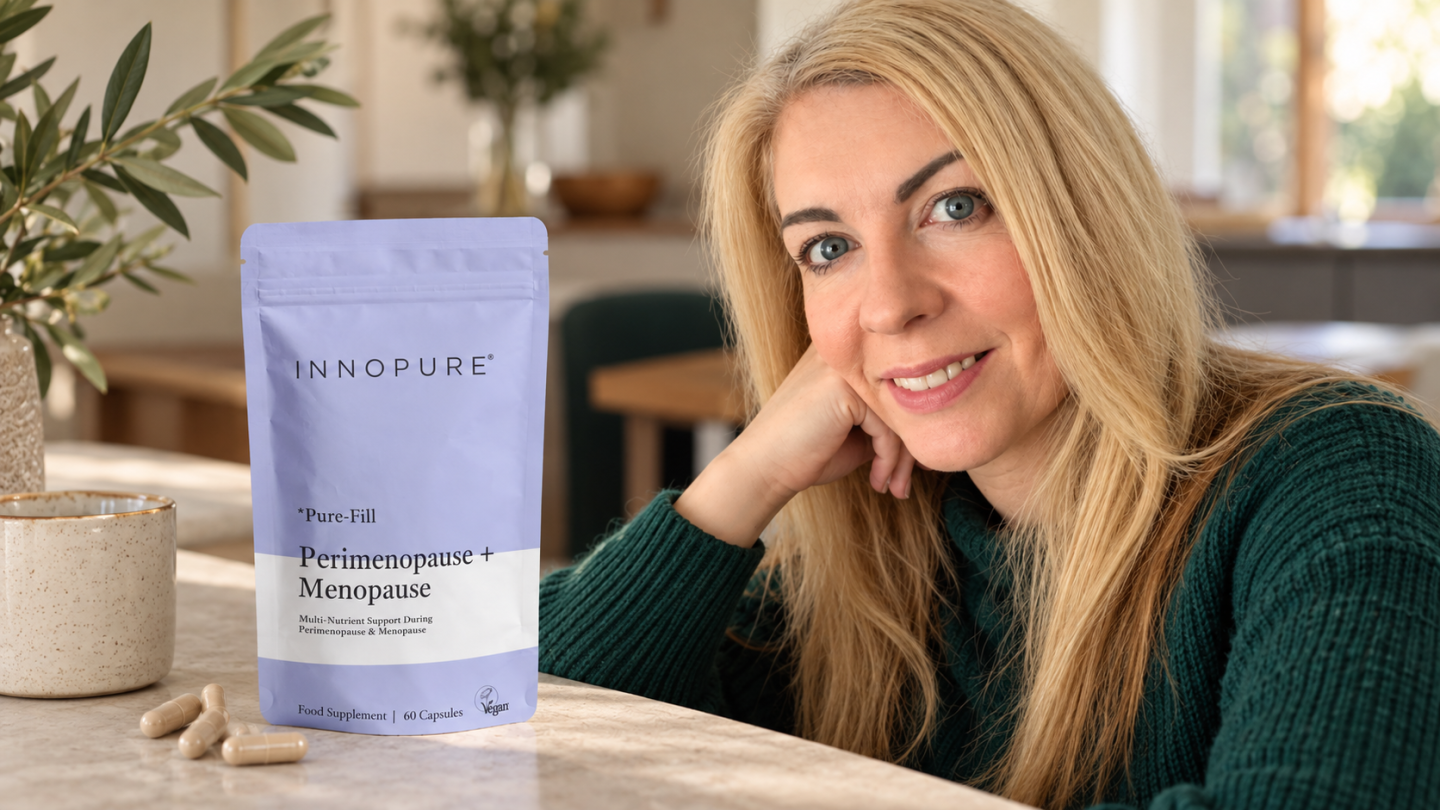
When my mum was going through menopause, I thought she was being difficult. She was irritable, often sad and seemed to have lost interest in things she once loved. I was a hot-headed teenager, difficult myself, and assumed some of her unhappiness must have been my fault. Nobody explained what was happening to her body and she didn’t talk about it. Looking back, I wish she had.
Now, at 50, I wonder how much she struggled and whether she ever felt able to ask for help. Back then, menopause was something women endured quietly. Today, you can barely open social media without someone recommending a supplement, hormone-balancing diet or a miracle ingredient promising to restore your younger self. Apparently, I can improve my sleep, flatten my stomach and rediscover my energy with the right morning routine. All before getting Cyrus ready for school. Marvellous.
Women are finally talking about menopause, but separating useful medical advice from the latest wellness sales pitch can feel like a job in itself.
I became a new mum at 40, so I was already familiar with a changing body. Then perimenopause arrived with unpredictable periods, disturbed sleep and energy levels that definitely didn’t align with my plans. Some days I could manage work, motherhood and a demanding gym session. On others, remembering why I’d walked into the kitchen suddenly felt like an achievement. I’ve spent my professional life working with words and deadlines, so struggling to concentrate has been hugely unsettling.
I’ve written before about whether AI can make midlife easier, especially when brain fog makes everyday responsibilities difficult. But not everything can be blamed on hormones. Iron deficiency, thyroid problems and stress can also produce similar symptoms, which is why medical advice is so very important.
I understand why women turn to wellness products. When your body feels unfamiliar, doing something about it gives reassurance. I’ve tried lemon water, bone broth and wheatgrass juice, not all together of course. I’ve even added apple cider vinegar to my gym water bottle, although my dentist would definitely object to that.
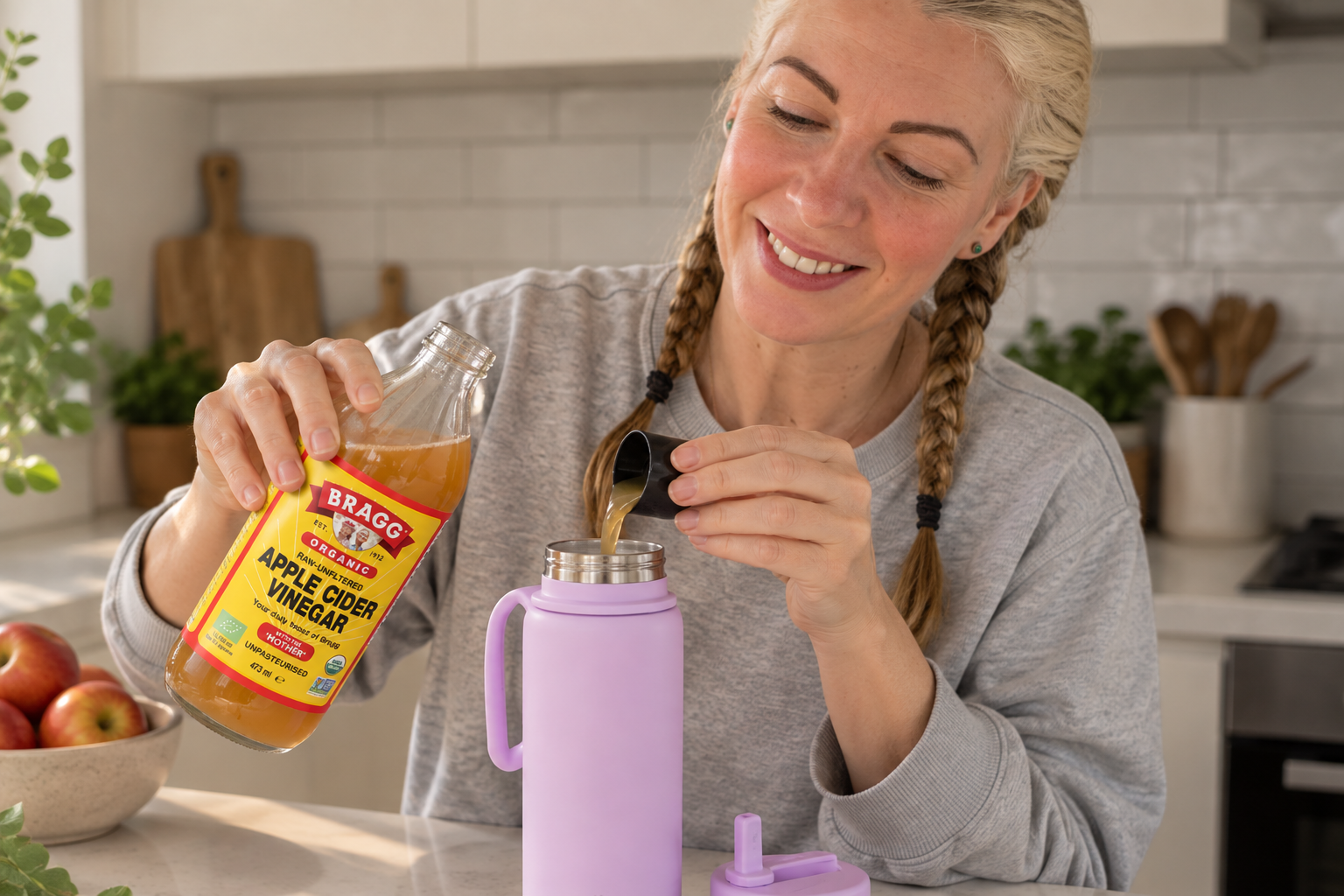
Apple cider vinegar has an impressive reputation for weight loss, blood sugar control and digestion. Some small studies suggest vinegar may modestly reduce blood glucose rises after meals, but there’s no convincing evidence that it treats perimenopause and its acidity can damage tooth enamel.
Product disclosure: Innopure’s Perimenopause & Menopause Complex was gifted for review. All opinions and experiences are my own.
I’ve also tried Innopure’s Perimenopause & Menopause Complex, described by the company as a multi-award-winning supplement. Made in the UK in small batches, it combines vitamins, minerals and botanicals including red clover, sage, maca and wild yam. The vegan, gluten-free formula contains no added fillers or binders. At around £25 for 60 capsules, the once-daily supplement costs approximately 42p a day.
The formula includes vitamin B6, which contributes to normal hormonal activity, although that doesn’t mean it reverses hormonal changes. I noticed a slight improvement in how I felt while taking Innopure, but nothing dramatic. My symptoms seemed more manageable, although I probably needed to take it longer to judge properly. Perimenopause symptoms fluctuate, making it difficult to establish whether the supplement was responsible.
Would I try it again? Yes, provided the ingredients were suitable alongside my other supplements and medication. I liked the convenience, but wouldn’t expect miracles.
Menopause can affect relationships, intimacy and confidence. YouGov research commissioned in connection with Ashley Madison in November 2025 found that 36% of UK women aged 45–54 said their pleasure had been prioritised throughout their relationship, compared with 42% aged 25–34.
Sex therapist Dr Tammy Nelson suggests sexual confidence can become less dependent on how others perceive us as we age. I like that idea. After years of juggling everybody else’s expectations, midlife should also involve understanding what we want. Hormonal changes can make intimacy difficult, and women deserve to discuss that without embarrassment.
I love strength training, Zumba and combat-style classes. Give me loud music and a challenging workout, and I’m happy. Exercise supports muscle and bone health, but I’ve learned that recovery is important too.
In my five-minute menopause workouts experiment, I explored how shorter sessions could fit into busy days. Exercise helps, but it cannot resolve every symptom. HRT and non-hormonal treatments are available, as explained in the NHS menopause guidance.
I wish someone had explained menopause when my mum was experiencing it because maybe I’d have understood her better. I can’t know how much of her sadness was hormonal, because she had worries and responsibilities of her own, but silence made understanding harder.
Now I’m raising a son, I want him to know that women’s health isn’t embarrassing. A woman struggling to concentrate isn’t necessarily careless, and someone experiencing exhaustion isn’t lazy. At 50, I want to remain strong, healthy and active. I want to keep lifting weights, dancing to Persian music and embarrassing Cyrus. I’d also quite like to remember why I went upstairs.
My mum’s generation had too little information. Mine sometimes has so much that separating evidence from advertising feels like another job. Behind every menopause statistic is a woman trying to get through an ordinary day. She deserves to be listened to, not sold another miracle.
Can AI make midlife easier?
What do you wish someone had explained before perimenopause arrived? Have you found something that genuinely helps, or are you becoming as sceptical as I am about the endless promises?
Occasional stories, experiments, discoveries and questions from Saffron & Cyrus.
Discover more from Saffron & Cyrus
Subscribe to get the latest posts sent to your email.


Saffron & Cyrus is an independent women’s editorial publication with a recognisable voice, real-life perspective, a defined midlife audience and a commercial model built around useful, relevant partnerships.
