
Originally published: 5 February 2024
Updated: 14 November 2026
The chocolate croissant that started it all
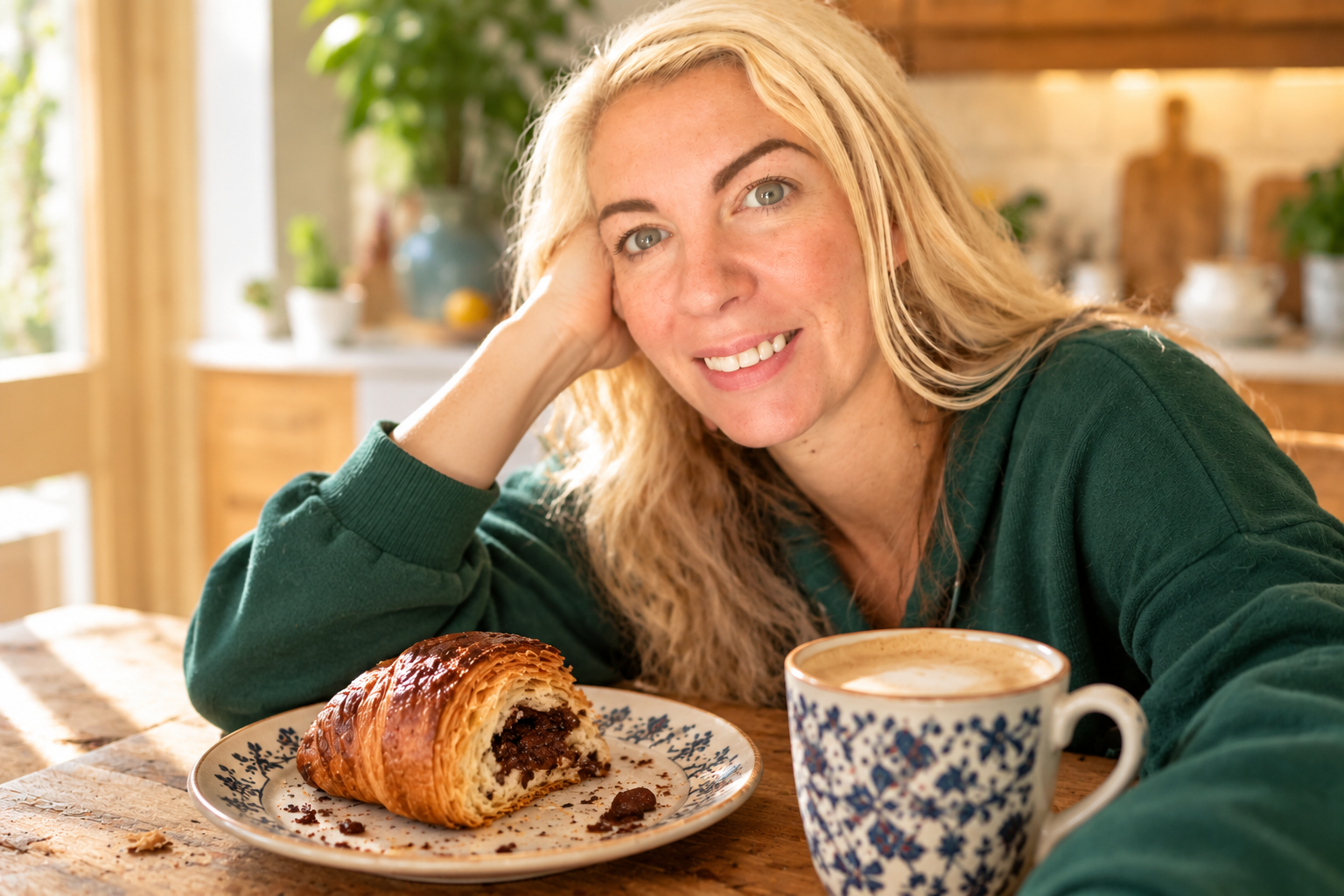
For two weeks, I ate almost every sweet treat that crossed my path: chocolate, biscuits, pastries and the occasional cake with my coffee. Individually, they seemed harmless enough, until I caught myself eyeing Cyrus’s unfinished chocolate croissant after the school run.
I already ate breakfast that morning, so hunger hardly explained my interest. The croissant looked perfectly edible, and I told myself that food waste was a terrible thing. That argument proved rather convenient when the food belonged to my son.
Diabetes runs in H’s family, and he takes care with how much sugar he eats. His discipline made me think about my own habits, particularly the ease with which one biscuit became three.
For The Saffron Experiment, I planned seven days without added sugar, alongside my usual intermittent fasting routine. I wanted to know whether my energy, concentration and cravings changed.
Day one: Hunger, a headache and the clock
The first morning was miserable because I woke up hungry and irritable, with food already on my mind. Normally, I managed intermittent fasting reasonably well, but the ban on sweet food made breakfast seem much more attractive. I wanted toast, something sweet with my coffee and a break from thoughts about my next meal.
At lunchtime, I had a mug of bone broth and a handful of walnuts. They helped, although neither offered the same satisfaction as a warm chocolate croissant. Later meals included eggs and kale, as I tried to eat more protein and fibre. My plan placed meals around noon and 4:30pm, which left me rather too aware of the clock.
By mid-afternoon, I felt exhausted, irritable and unable to concentrate, with a headache that added nothing useful to the occasion. I did not know whether the cause was fasting, poor sleep, too little food or the change in my diet. Those symptoms told me that I felt unwell, not that the experiment was a success.
Food shopping became tougher
I assumed the main task was simple: avoid cakes, chocolate, biscuits and sugary drinks. The difficulty became obvious when I examined food labels, including those on foods I did not think of as sweet.
Rice cakes, ready-made lamb kofta and granola bars all needed closer inspection. Some contained added sugar, while others contained sugars that occurred naturally in their ingredients. Without my glasses, I spent far too long with packets near my face, in a rather undignified search for small print.
My rough estimate put my previous intake at up to 18 teaspoons of added sugar a day. I did not measure it, so that figure was an estimate rather than a daily average. Even so, it made me think about the small amounts that accompanied meals, coffee and snacks.
The NHS guidance on sugar recommends no more than 30g of free sugars a day for adults. Free sugars include added sugar and the sugars in honey, syrups, juices and smoothies. Sugars that occur naturally in whole fruit and plain milk do not count towards that limit.
The nutrition label lists total sugars under “of which sugars”, rather than added sugar alone. The ingredients list helps identify added sugar, although it does not usually state the total amount. That distinction saved me from the mistaken idea that every food with sugar on its label broke my rule.
Coffee came with the expectation of a biscuit
The strongest pattern involved coffee and the end of a meal, when I automatically wanted something sweet. By late afternoon, a biscuit seemed much more interesting than the other food available. I recognised the routine, but that knowledge did not make the craving disappear.
I tried chewing gum, walks at lunchtime and household jobs as distractions. H also suggested a pinch of Celtic salt under my tongue, which I tried. It briefly interrupted the craving, but that experience does not establish salt as a treatment. I do not recommend it as a remedy.
The gym gave me something else to concentrate on, while social occasions made the rule harder to keep. School events, birthdays, family visits and coffee with friends often included cake or chocolate. I felt awkward about my refusal, as though I appointed myself the nutritional conscience of the room. Worse, I started to treat a possible biscuit as a failure rather than a biscuit.
What the early days taught me
I wanted better skin, concentration and energy, but my early experience centred on hunger, irritability and thoughts about food. These observations do not establish a health benefit, and fasting made the cause of each change harder to identify. This account describes those early days, rather than a measured result at the end of the week.
H’s family history prompted the experiment, but a week without added sugar cannot establish a change in diabetes risk. The NHS explains the different types of diabetes and how their causes and risk factors differ. My experience does not provide a method to prevent or treat diabetes.
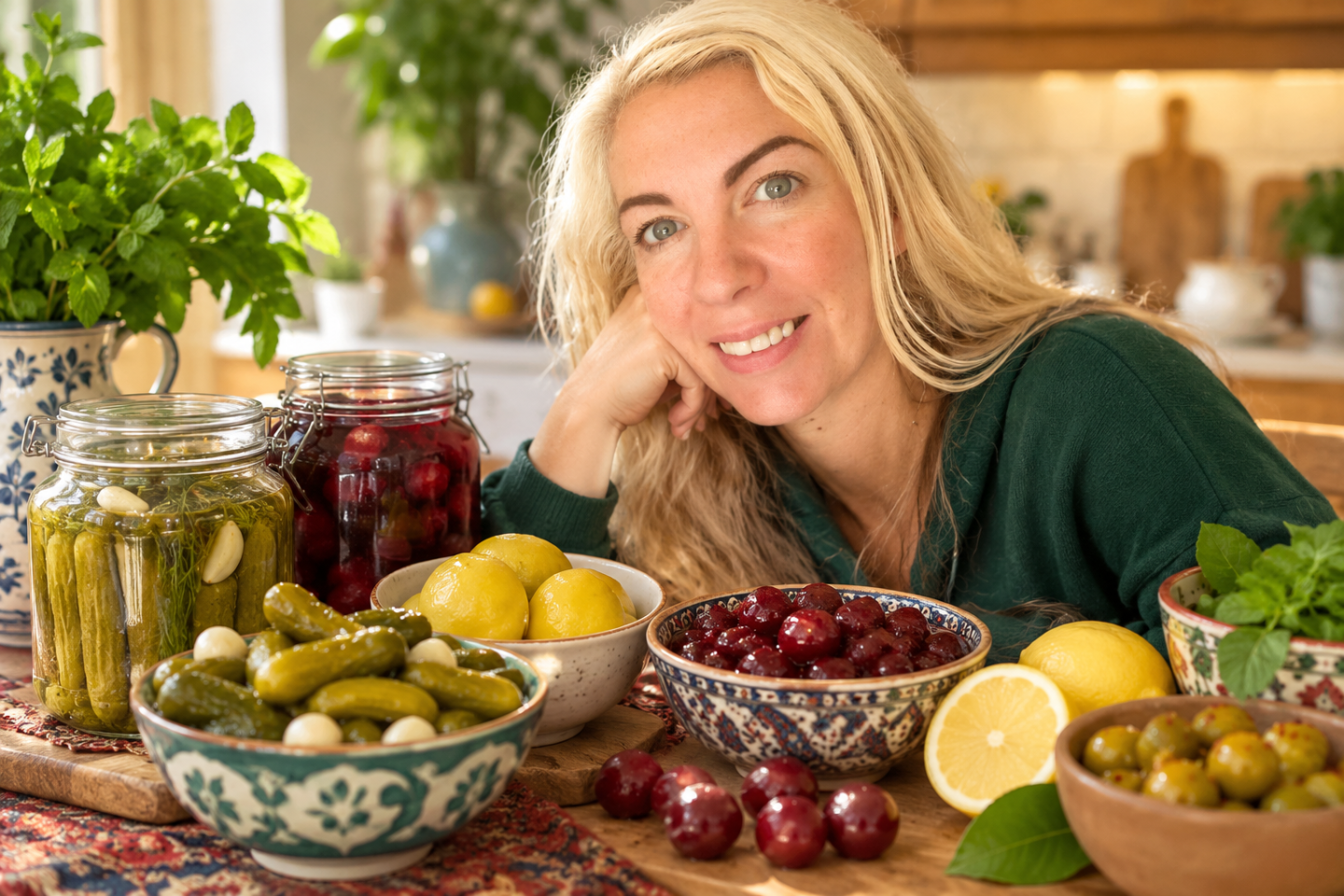
In our Persian home, something torsh, or sour, sometimes enters the conversation when I fancy something sweet. Sour plums, tart cherries or pickles are familiar suggestions, rather than established treatments for cravings. I suspect fizzy sour Haribo cherries were not what the family had in mind.
Like my earlier decision to stop alcohol before motherhood, this experiment made me examine a familiar habit. I want more care about what I eat, without a moral judgment on every mouthful. For now, I can start with my own breakfast and leave the rest of Cyrus’s croissant alone.
If you tried to reduce added sugar, which changes helped without a constant battle over food?
More from Saffron & Cyrus
My separate look at fasting, appetite and the routines around food.
An everyday nutrition test, with a closer look at protein and fibre.
Occasional stories, experiments, discoveries and questions from Saffron & Cyrus.
Discover more from Saffron & Cyrus
Subscribe to get the latest posts sent to your email.

Saffron & Cyrus is an independent women’s editorial publication with a recognisable voice, real-life perspective, a defined midlife audience and a commercial model built around useful, relevant partnerships.
