
Can seed cycling balance hormones? My four-week experiment
Seed cycling promises to support hormonal health by changing which seeds we eat through the month. I gave it four weeks, but the claims needed more scrutiny than my breakfast.
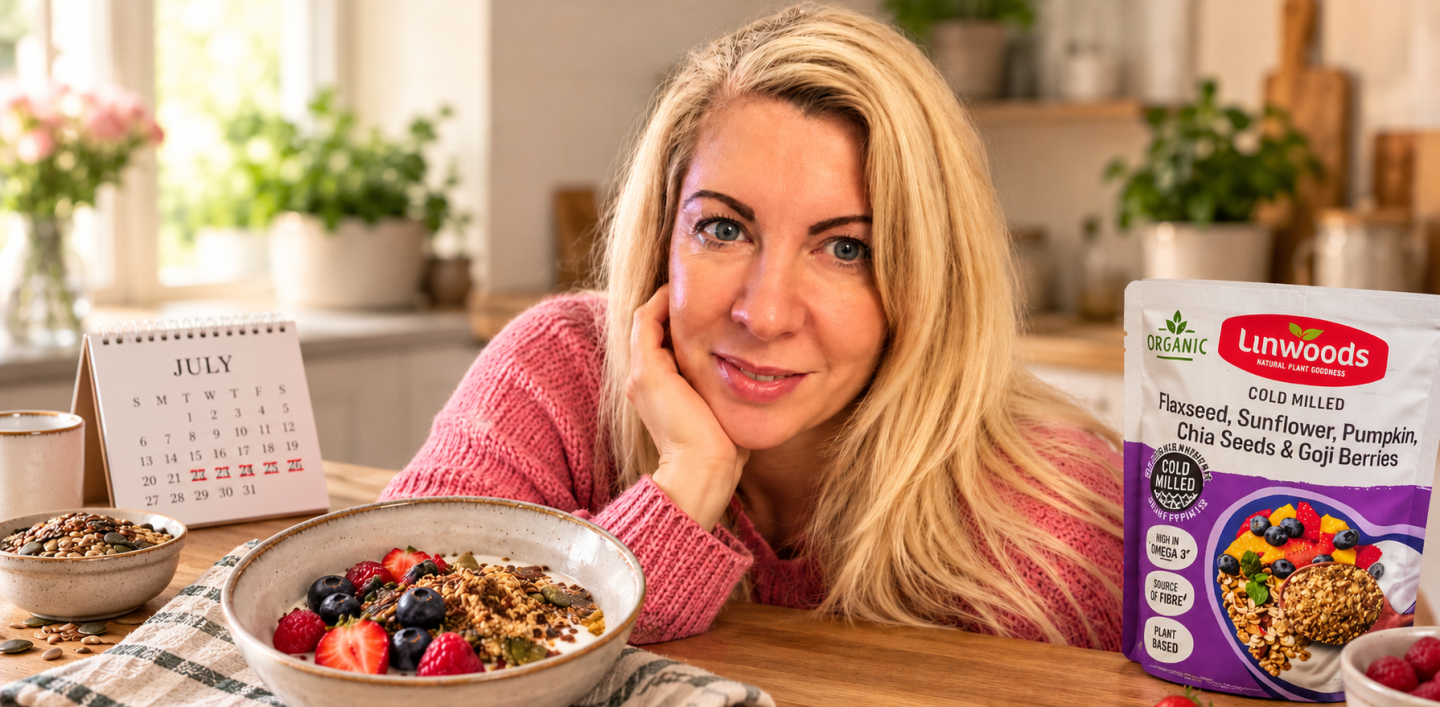
Gifted product disclosure: Linwoods Milled Flaxseed, Sunflower, Pumpkin, Chia Seed & Goji Berry was provided free for editorial consideration. The opinions are my own.
Had I been missing a trick by sprinkling seeds over my yoghurt without consulting a menstrual calendar? When I tried seed cycling at 47, I was increasingly interested in what I ate as I experienced the changes that come with midlife.
I loved lifting weights and Zumba, and wanted enough energy afterwards for work, being a mum and the mountain of washing. Women approaching menopause already receive plenty of advice about what to eat, avoid and supplement. Before adding another job to my morning routine, I wanted to know whether this one had any substance.
Seeds can contribute to a nutritious diet, but there isn’t convincing evidence that rotating them through the month balances hormones or treats perimenopause symptoms. Research on individual seeds and conditions such as polycystic ovary syndrome (PCOS) doesn’t establish that the timetable works for menopause.
What is seed cycling?
Seed cycling usually means eating flaxseed and pumpkin seeds during the first part of the menstrual cycle, then switching to sesame and sunflower seeds after ovulation. Supporters say their nutrients and plant compounds support oestrogen and progesterone activity.
The calendar is the part that needs stronger evidence. A 2023 study of seed cycling alongside a portion-controlled diet in women with PCOS reported hormonal changes. It doesn’t establish a benefit for perimenopause or show that timing seeds is better than eating them regularly.
What I tried over four weeks
My plan was flaxseed and pumpkin seeds for the first fortnight, followed by sesame and sunflower seeds for the next two weeks. Greek yoghurt with berries and a little Manuka honey was already one of my favourite breakfasts, so adding seeds didn’t mean overhauling my diet.
I also had the gifted Linwoods blend to try. It contains several seeds together, including sunflower and pumpkin, so using it isn’t the same as following the separate combinations in the seed-cycling schedule. This was a personal food experiment, not a controlled test of that method.
The part I hadn’t appreciated was how much attention the schedule needed. Remembering which seeds belonged to which fortnight competed with being a mum and getting to the gym. With perimenopause making menstrual cycles less predictable, a rigid timetable also seemed optimistic.
I can’t draw conclusions about hormone changes from four weeks of breakfasts. Without measurements or a comparison group, any change in how I felt could have reflected sleep, stress or other parts of my life. What I could judge was whether the routine fitted my day.
Can flaxseed help with menopause symptoms?
Flaxseed contains fibre, the plant-based omega-3 fat alpha-linolenic acid and lignans. Gut bacteria convert lignans into compounds with weak oestrogen-like activity, which helps explain the interest in flaxseed and hormonal health.
That doesn’t make flaxseed a proven treatment for hot flushes or mood changes. The British Dietetic Association’s guidance on diet and menopause describes mixed results for plant oestrogens. Foods, amounts and individual responses vary, so a nutrient’s presence doesn’t predict symptom relief.
There is a clearer nutritional reason to include seeds: they add fibre. The British Nutrition Foundation explains the UK recommendation of 30g of fibre a day for adults, from foods including wholegrains, pulses, vegetables, fruit, nuts and seeds. I’ve explored that everyday challenge in my Linwoods Fibre Boost and Protein Boost review.
Where the Linwoods blend fitted in
The blend offered an easy way to add several plant ingredients without buying individual packets. Stirring it into yoghurt suited meals I already made, and its appeal was convenience, with no need to organise the ingredients around a cycle.
If you’re adding seeds to meals, follow the packet’s preparation and serving advice, increase fibre gradually and drink enough fluids. You can use milled seeds in yoghurt, porridge or baking without treating a serving suggestion as a menopause treatment dose.
I’ve also written about hunger, food cravings and my flaxseed breakfasts. Those are observations about meals and appetite, separate from evidence that seeds alter hormones.
I’ll keep the seeds and lose the timetable
I enjoy the seeds, berries and yoghurt, preferably with a decent coffee. Organising breakfast around oestrogen and progesterone is a commitment I’ll leave until there’s stronger evidence. Women have enough to contend with during perimenopause without worrying that they’ve eaten pumpkin seeds on the wrong day.
For troublesome symptoms, the NHS recommends discussing menopause treatment options with a doctor, nurse or pharmacist. I won’t use a food experiment as a substitute for that care.
Have you tried seed cycling, and did the routine make eating well easier or give you another thing to remember?
More from Saffron & Cyrus
Food labels and the habits I started questioning.
A different midlife experiment, for days when an hour at the gym feels impossible.
Health information: This article shares a personal food experiment and general nutritional information, not medical advice.
Come along for the ride.
Occasional stories, experiments, discoveries and questions from Saffron & Cyrus.
Discover more from Saffron & Cyrus
Subscribe to get the latest posts sent to your email.

Saffron & Cyrus is an independent women’s editorial publication with a recognisable voice, real-life perspective, a defined midlife audience and a commercial model built around useful, relevant partnerships.
