
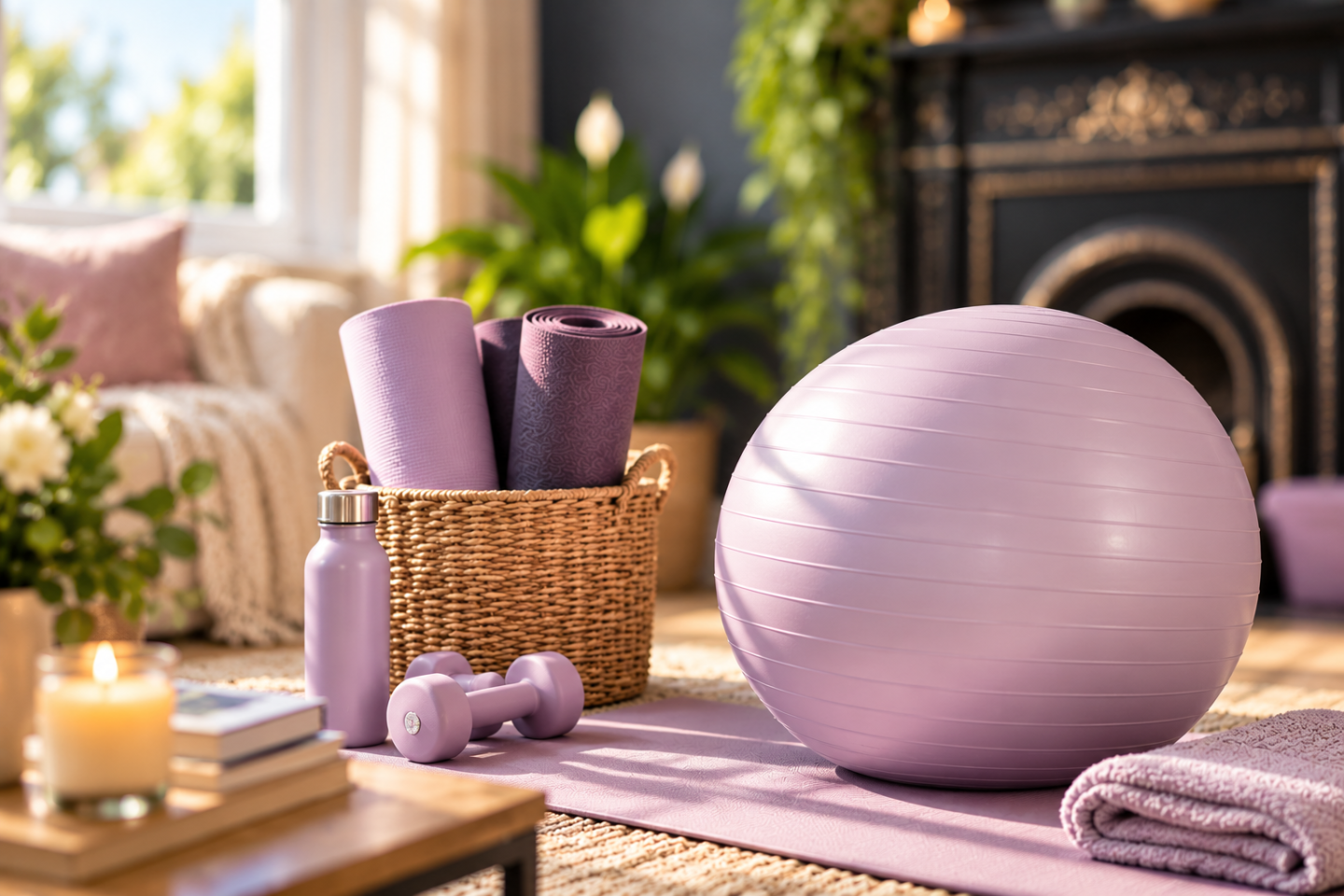
There is a long list of things women are expected to do during pregnancy. Eat properly, sleep well, stay active, avoid stress and enjoy every moment of the experience. Ideally, we should manage all this while looking radiant, wearing flattering maternity clothes and maintaining an impressive level of fitness. Never mind that our bodies are busy growing another human being, our hormones are having a field day and bending down to pick up a dropped sock can be difficult.
I was 40 when I became pregnant with Cyrus. By then, I already enjoyed exercise and understood how much better I felt when I was physically active. I’ve always loved the gym, particularly a workout that involves music, movement and a reasonable amount of effort. Exercise gives me time to myself, clears my head and provides a welcome distraction from the demands of everyday life. But pregnancy brings a different set of considerations, especially when you’re approaching motherhood at an age when medical professionals start taking a rather keen interest in your date of birth.
People have plenty to say about older mothers, from the risks of pregnancy to the physical demands of raising a child later in life. Some of that advice is useful, of course, but it can leave you feeling as though your age has suddenly become more important than anything else about you. I was still the same woman who enjoyed exercise. I just happened to be growing a baby as well.
Looking back, I think one of the most important things to understand is that pregnancy doesn’t mean abandoning exercise. For most women with uncomplicated pregnancies, staying active is safe and beneficial. What matters is choosing suitable activities, recognising when modifications are needed and accepting that some days will be easier than others.
And if there’s one thing I’ve learnt about fitness over the years, it’s that there is absolutely no point comparing your body with someone else’s, pregnant or otherwise.
Pregnancy fitness should be about supporting your health, maintaining strength and feeling comfortable in your changing body, not keeping up with someone else’s workout routine.
Pregnancy places considerable demands on the body, and not all of them are obvious. As your bump grows, your centre of gravity shifts forwards, your posture changes and muscles that worked quite happily together have to accommodate a new distribution of weight. Lower back pain, pelvic discomfort and tiredness can start to affect you, sometimes long before you’ve reached the final trimester.
Regular physical activity can help maintain cardiovascular fitness, strengthen muscles and improve general wellbeing. Research also suggests that appropriate exercise during pregnancy can reduce the risk of gestational diabetes and may help with sleep, mood and some of the physical discomforts associated with pregnancy. It won’t necessarily prevent every ache or guarantee a good night’s sleep, but it can make a difference.
For me, exercise has always offered something beyond the physical benefits. I enjoy feeling strong, but I also appreciate having an hour when I’m not thinking about work, household responsibilities or what needs doing next. That sense of independence matters during periods when so much of life seems to revolve around other people’s needs.
Pregnancy is one of those periods. Your body changes, your routines shift and suddenly everyone seems to have an opinion about what you should or shouldn’t be doing. Continuing to exercise, even in a modified form, can provide a reassuring sense of normality.
The important thing is to approach it with realistic expectations. Pregnancy isn’t the ideal time to chase personal bests, embark on an aggressive fitness programme or worry about maintaining a particular body shape. The aim is to stay healthy and comfortable while supporting the changes taking place.
For most women experiencing a healthy, uncomplicated pregnancy, the answer is yes. The NHS encourages pregnant women to remain active and continue their usual exercise for as long as they feel comfortable, making adjustments as pregnancy progresses.
However, every pregnancy is different. Someone who regularly runs or lifts weights may be able to continue those activities with suitable modifications, while another woman may prefer walking, swimming or pregnancy-specific exercise classes. Certain medical conditions and pregnancy complications can also make some activities unsuitable.
It’s sensible to discuss your routine with your midwife or maternity team, particularly if you have complications, a medical condition or concerns about particular exercises. If you’re new to exercise, you can usually begin with gentle activities and gradually increase the amount you do, provided there is no medical reason to avoid them.
Fitness expert Kira Mahal, CEO of MotivatePT, has also emphasised the importance of choosing activities you genuinely enjoy. Whether that’s swimming, Pilates, walking or another form of exercise you’re comfortable with, finding something you actually look forward to can make it easier to remain active as pregnancy progresses. The important consideration is that the activity is suitable for your individual pregnancy and can be modified when necessary.
I can relate to that. I’ve never been someone who enjoys exercise because I’m told it’s good for me. I want music, movement and preferably something that makes me forget I’m exercising in the first place. That’s partly why I enjoy Zumba and combat-style fitness classes, although contact activities and high-impact movements may need considerable modification during pregnancy. Enjoyment matters because pregnancy already involves enough changes without forcing yourself through an exercise routine you actively dislike.
I would also be cautious about taking pregnancy fitness advice from social media. There are women online performing demanding workouts well into their third trimester, and some are experienced athletes exercising with appropriate support. But seeing someone doing burpees at 35 weeks doesn’t tell you whether the same exercise is right for you.
I’ve always enjoyed a challenging workout, but pregnancy is not the time to demonstrate your fitness credentials to strangers on Instagram.
The first trimester can be particularly strange because so much is happening internally while there may be very little to see from the outside. Hormonal changes, nausea, tender breasts and fatigue can make everyday activities feel more demanding than usual.
Women who already exercise regularly can generally continue their established routines during an uncomplicated pregnancy, although they may need to reduce the intensity or duration depending on how they feel. If you haven’t been particularly active before becoming pregnant, gentle walking, swimming or other low-impact activities can be a good starting point.
There is no general rule that women must avoid beginning any new form of exercise during the first trimester. What matters is starting gradually and avoiding sudden increases in physical demand. A gentle exercise class is very different from deciding that pregnancy is the perfect opportunity to begin training for a marathon.
I think it’s important to recognise that fitness doesn’t make anyone immune to pregnancy symptoms. You can be perfectly capable of completing a demanding gym session one week and find yourself struggling with exhaustion the next. That doesn’t mean you’ve suddenly become unfit.
Sometimes a short walk is enough. Sometimes you might feel perfectly well and enjoy your usual workout. And sometimes the most appealing activity is sitting on the sofa with a cup of tea. There is room for all three.
The second trimester is often described as the most comfortable stage of pregnancy, although that rather depends on the woman experiencing it. Some find their energy improves and nausea settles, while others continue dealing with fatigue or begin noticing new aches as their bodies change.
As your bump grows, certain exercises may become uncomfortable or require modification. Balance can be affected, particularly during activities involving rapid changes of direction, while movements that place pressure on the abdomen may no longer feel appropriate.
After around 16 weeks, the NHS advises against lying flat on your back for long periods because the weight of the bump can press on a major blood vessel and make you feel faint. This doesn’t mean every brief movement on your back is dangerous, but it is worth considering alternatives such as side-lying, seated or inclined exercises.
Core training can also continue during pregnancy, although traditional sit-ups and other demanding abdominal exercises may become uncomfortable as the bump develops. Modified planks, controlled breathing and exercises targeting the deeper abdominal muscles can be useful, provided they are appropriate for your stage of pregnancy and don’t cause symptoms.
The main thing is to pay attention to how you feel. If an exercise causes pain, dizziness, uncomfortable pressure or unusual abdominal bulging, stop and seek advice about whether it needs modifying.
The UK Chief Medical Officers recommend that pregnant women without contraindications aim for at least 150 minutes of moderate-intensity physical activity each week. That might sound like quite a lot, but it can be spread across several days and broken into shorter sessions.
Walking, swimming, stationary cycling and pregnancy-appropriate exercise classes can all contribute. You don’t have to spend hours in the gym, and you certainly don’t need to complete every session in one go.
One of the easiest ways to judge moderate intensity is the talk test. If you can comfortably hold a conversation while exercising, you’re probably working at a suitable moderate level. If you’re struggling to speak because you’re so breathless, slow down.
Of course, what feels moderate to one woman may feel demanding to another. A regular runner might find a brisk walk relatively easy, while someone who hasn’t exercised for some time may find the same activity quite challenging.
This is where I think fitness advice sometimes becomes unnecessarily complicated. We become so preoccupied with heart rate monitors, step counts and exercise targets that we forget to consider how we actually feel. I enjoy tracking my workouts as much as anyone, but numbers don’t tell the whole story, particularly during pregnancy.
The guidance is there to help women remain active, not to provide another reason to feel guilty.
Exercise is only one part of staying healthy during pregnancy. What you eat matters too, although I think we need to be careful about turning pregnancy nutrition into another collection of rules about what women should and shouldn’t put on their plates. There are already enough restrictions and recommendations to remember without adding guilt about every biscuit, carbohydrate or unexpected craving.
Kira Mahal also highlights the importance of protein and healthy fats during pregnancy, including foods such as eggs, salmon, avocado, walnuts and Greek yoghurt. Protein supports maternal tissues and the baby’s development, while healthy fats provide essential fatty acids needed for normal growth and development. Pregnant women need sufficient protein, but that doesn’t mean automatically doubling their intake. Individual requirements depend on factors including body size, diet and stage of pregnancy.
I’ve always believed that food should be enjoyed, not treated as a moral test. Pregnancy cravings can be peculiar, and there is nothing inherently wrong with wanting something sweet or enjoying a slice of pizza. A balanced diet matters over time, but the occasional indulgence isn’t going to undo every sensible decision you’ve made. I find the suggestion that women should spend pregnancy resisting every craving rather tiresome, particularly when their bodies are already dealing with so much.
For women who exercise regularly, eating enough to support both pregnancy and physical activity is particularly important. This isn’t the time to restrict calories in pursuit of a particular body shape. A varied diet containing appropriate sources of protein, carbohydrates, fats, fruit and vegetables is a much more sensible approach. The NHS also recommends specific supplements during pregnancy, including folic acid and vitamin D, alongside guidance about foods that should be avoided or limited.
It’s also worth remembering that some foods require particular care during pregnancy. Fish can provide valuable nutrients, for example, but certain types need to be avoided or limited because of mercury or other risks. The NHS provides detailed advice on safe choices, including fish, dairy products and other foods that may need special consideration.
The aim is to nourish yourself and your growing baby, not to spend nine months feeling guilty about your dinner.
For more information, see the
NHS guidance on foods to avoid during pregnancy
.
Although many activities can be continued or adapted, some sports carry risks that make them unsuitable during pregnancy. Contact sports such as rugby, boxing and martial arts increase the likelihood of a blow to the abdomen, while activities such as horse riding, downhill skiing and certain forms of climbing carry a greater risk of falling.
Scuba diving should also be avoided because of the potential risks to the developing baby. Hot yoga and strenuous exercise in excessively heated environments are best avoided because overheating can be harmful.
If you enjoy strength training, cycling or fitness classes, you may not need to stop altogether. Instead, consider how the activity can be adapted. A stationary exercise bike, for example, removes the risk of falling associated with outdoor cycling, while controlled resistance exercises can help maintain strength without unnecessary strain.
Another useful point raised by Kira is the value of working with someone who understands pregnancy exercise. A personal trainer with appropriate pregnancy and postnatal qualifications can help adapt familiar movements, particularly when your bump begins affecting balance, posture and comfort. It’s worth checking those qualifications rather than assuming every gym instructor has specialist experience.
I think that’s particularly important for women who already enjoy demanding workouts. You may be familiar with the equipment and confident about your technique, but pregnancy introduces considerations that aren’t always covered in an ordinary fitness class. A good trainer should help you exercise appropriately, not encourage you to keep pushing simply because you managed it before becoming pregnant.
It’s also important to stay hydrated, exercise in a comfortable environment and take breaks when needed. Pregnancy can make you feel warmer than usual, so strenuous workouts in hot weather or poorly ventilated rooms aren’t a good idea.
Stop exercising and seek prompt medical advice if you experience vaginal bleeding, fluid leakage, chest pain, fainting, severe breathlessness, painful regular contractions or significant abdominal pain. Pain or swelling in one calf also requires urgent assessment.
There’s a difference between the normal effort of exercise and symptoms that suggest something isn’t right. Pregnancy is not the time to ignore that distinction.
Strength training deserves more attention in pregnancy fitness discussions. There’s a tendency to assume that expectant mothers should stick to gentle walks and stretching, but appropriately modified resistance exercise can help support the body as it changes.
I’ve always enjoyed strength training because it offers benefits that have very little to do with appearance. Being stronger makes everyday activities easier, whether that’s carrying shopping, climbing stairs or lifting a child who has decided that walking is no longer an attractive option.
During pregnancy, the muscles supporting your back, pelvis and abdomen have additional work to do. Maintaining strength can help you manage those demands, while exercises targeting the legs, upper body and core may improve comfort and general function.
Resistance bands, supported squats, light-to-moderate weights and controlled bodyweight exercises can all be useful, depending on your previous fitness experience and individual circumstances. The NHS recommends including muscle-strengthening activities twice a week during pregnancy, where appropriate.
However, this isn’t the moment to dramatically increase your lifting weights or attempt technically demanding movements without appropriate instruction. Good technique, controlled breathing and sensible modifications are more important than the amount you’re lifting.
Kira also makes a useful point about thinking beyond the immediate workout. Maintaining strength during pregnancy can help women manage the physical demands of carrying a baby and prepare for the everyday lifting, carrying and bending that comes with motherhood. I’d make one distinction, however. Exercise during pregnancy should not be presented as a way to guarantee a faster recovery or an immediate return to pre-pregnancy fitness. Childbirth and postnatal recovery are unpredictable, and even very fit women may need considerable time and support afterwards.
When I think about having Cyrus, particularly after an induced labour and forceps delivery, I find the idea of preparing for motherhood far more meaningful than preparing to ‘bounce back’. Babies don’t arrive with much regard for our fitness plans, and recovering from childbirth deserves proper attention.
Pregnancy also affects joints and connective tissues, and some women experience discomfort or a feeling of instability. Gentle stretching can help relieve tension, but forcing yourself into deep positions isn’t necessary. If you experience persistent pelvic pain or joint problems, a pelvic health physiotherapist can provide more individual advice.
Personally, I’ve always found the practical benefits of strength training more satisfying than any number on a scale. That becomes even more relevant when you’re preparing for the physical demands of motherhood.
By the third trimester, even familiar activities can require a little more effort. Your bump may affect your balance, your back might become uncomfortable after standing for long periods and getting out of bed can involve rather more planning than it once did.
Some women remain comfortable exercising almost until their due date, while others find they need to reduce their activity much earlier. Neither experience is a reflection of how fit or capable they are.
Swimming can be particularly appealing because the water supports your weight and reduces pressure on the joints. Walking, gentle strength exercises and pregnancy-specific classes may also remain suitable, provided you feel comfortable and have no medical restrictions.
The important thing is to stop measuring your current abilities against what you could do before pregnancy. If a demanding workout becomes a gentle walk, you’re still moving. If you need to shorten your exercise session or take an extra rest day, that’s perfectly reasonable.
Perhaps the most useful part of Kira’s advice is also the simplest: listen to your body. She encourages pregnant women to exercise when they feel most comfortable and energetic rather than forcing themselves to follow a rigid timetable. That makes sense to me, particularly now that I’m navigating the fluctuating energy levels that can accompany perimenopause. Some mornings I feel ready for a demanding workout, while on others I need considerably more persuasion.
There is no particular virtue in exercising at six in the morning if you’re exhausted and would feel better taking a walk later in the day. Equally, if you’re feeling well and enjoying your usual activity, there’s no need to stop simply because someone else thinks pregnant women should be resting. The important thing is to distinguish between ordinary changes in energy and symptoms that require medical attention.
I think women sometimes underestimate how much physical effort pregnancy requires before they’ve even considered exercise. By the final trimester, your body is already doing a substantial amount of work.
There really is no need to add a fitness competition to the proceedings.
When Cyrus arrived, his birth involved induction and forceps. It gave me a rather different appreciation of childbirth from the neat, reassuring descriptions you sometimes encounter in pregnancy books.
Having a baby is physically demanding, and an assisted delivery can make recovery more complicated. Yet women are often surrounded by messages encouraging them to regain their figures, rebuild their fitness and return to normal as quickly as possible.
I’ve never particularly liked the phrase ‘getting your body back’. Your body hasn’t disappeared. It has been through pregnancy and childbirth, and it needs time to recover.
For women who enjoy exercise, returning to the gym can be appealing. I understand that completely. Exercise offers routine, independence and a little time away from the demands of looking after a baby. But there is a difference between gently becoming active again and expecting your body to cope immediately with the workouts you enjoyed before pregnancy.
After an uncomplicated birth, gentle walking and appropriate pelvic floor exercises can often begin when you feel ready. However, recovery following forceps, significant tearing, a caesarean birth or other complications may require more individual guidance.
High-impact exercise, heavy lifting and demanding abdominal workouts should be reintroduced gradually. The traditional six-week postnatal check is not an automatic clearance for running or intense gym sessions, particularly if you’re experiencing symptoms.
Urinary leakage, pelvic heaviness, pain or persistent abdominal discomfort are all reasons to seek advice rather than simply pushing through. A pelvic health physiotherapist can assess your recovery and help you return to exercise safely.
Looking back, I think we could do with placing rather less emphasis on how quickly women regain their pre-pregnancy shape and rather more on whether they’re recovering comfortably.
The pelvic floor is one of those parts of the body that many women barely think about until pregnancy or childbirth brings it firmly to their attention. Yet these muscles perform an important job, supporting the bladder, bowel and uterus while contributing to continence and pelvic function.
Pregnancy places additional pressure on the pelvic floor, regardless of whether you eventually give birth vaginally or by caesarean section. Learning how to contract and relax these muscles correctly can help during pregnancy and recovery.
Pelvic floor exercises are often recommended after childbirth, but they shouldn’t be painful, and not every pelvic floor problem is caused by weakness. Some women experience excessive muscle tension or difficulty relaxing the pelvic floor, which may require a different approach.
If you’re experiencing leakage, pelvic heaviness, pain or other persistent symptoms, it’s worth asking for a referral to a pelvic health physiotherapist.
We spend an extraordinary amount of time discussing abdominal muscles after pregnancy. Perhaps we should devote a little more attention to the muscles that allow us to cough, laugh or enjoy a Zumba class without worrying about our bladder.
Becoming a mother at 40 made me more aware of how much women’s bodies change throughout life. Pregnancy is one stage, but it certainly isn’t the last. Now that I’m navigating midlife and perimenopause, I can see how the lessons from those earlier years still apply.
I’ve always enjoyed exercise, and I still love the feeling of completing a demanding gym session or losing myself in a lively Zumba class. But there are days when I’m full of energy and others when tiredness, hormones or family responsibilities mean I need to do less.
That doesn’t make me any less committed to fitness. It simply means I’m paying attention to what is happening in my life rather than expecting my body to perform identically every day.
Pregnancy taught me to think about exercise in a broader way. It’s not just about improving fitness or maintaining a particular appearance. It’s about being strong enough to manage everyday life, having the energy to enjoy the things that matter and recognising when your body needs a different approach.
I also think becoming an older mother changes your perspective on what really matters. By 40, I’d already spent enough years worrying about how my body looked. Pregnancy gave me a rather more immediate reason to appreciate what it could actually do.
I don’t think women need another set of expectations about how they should look or perform while pregnant. We have quite enough of those already.
For most women with uncomplicated pregnancies, staying physically active is safe and beneficial. The NHS recommends continuing suitable exercise for as long as it feels comfortable, with modifications as pregnancy progresses. Moderate activity, such as walking, swimming and adapted strength training, can help maintain fitness and support physical and mental wellbeing.
Aim for around 150 minutes of moderate activity each week where appropriate, but build up gradually if you’re new to exercise. Use the talk test to judge intensity, stay hydrated and avoid activities with a high risk of falling, collisions or overheating. If you have pregnancy complications, concerning symptoms or uncertainty about your exercise routine, seek individual advice from your maternity team.
After childbirth, allow time for recovery and return to demanding exercise gradually. Pelvic floor rehabilitation, gentle movement and professional support where needed are far more important than meeting an arbitrary deadline for getting fit again.
For further information, visit the
NHS guide to exercise in pregnancy
.
Pregnancy can be exciting, but it also brings a surprising number of questions. Whether you’re wondering which exercises are safe, how to prepare for childbirth or what to expect during those first exhausting weeks with a newborn, having access to reliable information can make a difference.
As part of its support for expectant and new parents, The Baby Show introduced its #WednesdayWellness initiative through The Baby Show Live @ Home. The original programme brought together parenting specialists and industry experts for Instagram Live discussions covering pregnancy, birth, fitness, wellbeing, first aid and practical parenting advice.
The sessions offered parents opportunities to ask questions, hear from specialists and connect with others experiencing similar challenges. I think that kind of support is particularly valuable because, however much reading you do before having a baby, there’s always something you haven’t anticipated.
You can find The Baby Show on Instagram at
@thebabyshow
for parenting information and details of its current activities.
When I look back at becoming a mother at 40, I don’t find myself thinking about how fit I was or whether I exercised enough during pregnancy. I think about the experience of carrying Cyrus, the physical demands of giving birth and how much life changed once he arrived.
Exercise remains an important part of my life, and I hope it always will. I enjoy feeling strong, I like a challenging workout and I appreciate what regular movement does for my mental wellbeing. But I also know that there are times when doing less is the sensible choice.
Pregnancy is one of them. You can still enjoy exercise, maintain your strength and look after your health without treating every workout as something to be conquered. Some days you’ll feel energetic, while others will be more about getting through the day comfortably.
And when you’re growing another human being, I think that’s perfectly acceptable.
Did you continue exercising during pregnancy, or did you find yourself changing your routine completely? I’d particularly love to hear from women who became mothers in their late 30s or 40s. Did your age influence how you approached pregnancy fitness, and what advice would you give another mum-to-be?
Disclosure: This article was originally written in collaboration with The Baby Show and has since been updated to include personal reflections, pregnancy exercise guidance and attributed expert advice from Kira Mahal, CEO of MotivatePT. All opinions are my own.
Medical disclaimer: This article is intended for general information and reflects personal experience alongside established pregnancy exercise recommendations. It does not replace individual medical advice. Speak to your midwife, GP or relevant healthcare professional about exercise during pregnancy and postnatal recovery, particularly if you have complications or concerning symptoms.
Why do I feel like a bad mum whenever I take time for myself?
Can five-minute workouts make a difference to midlife fitness?
Occasional stories, experiments, discoveries and questions from Saffron & Cyrus.
Discover more from Saffron & Cyrus
Subscribe to get the latest posts sent to your email.


Saffron & Cyrus is an independent women’s editorial publication with a recognisable voice, real-life perspective, a defined midlife audience and a commercial model built around useful, relevant partnerships.
