
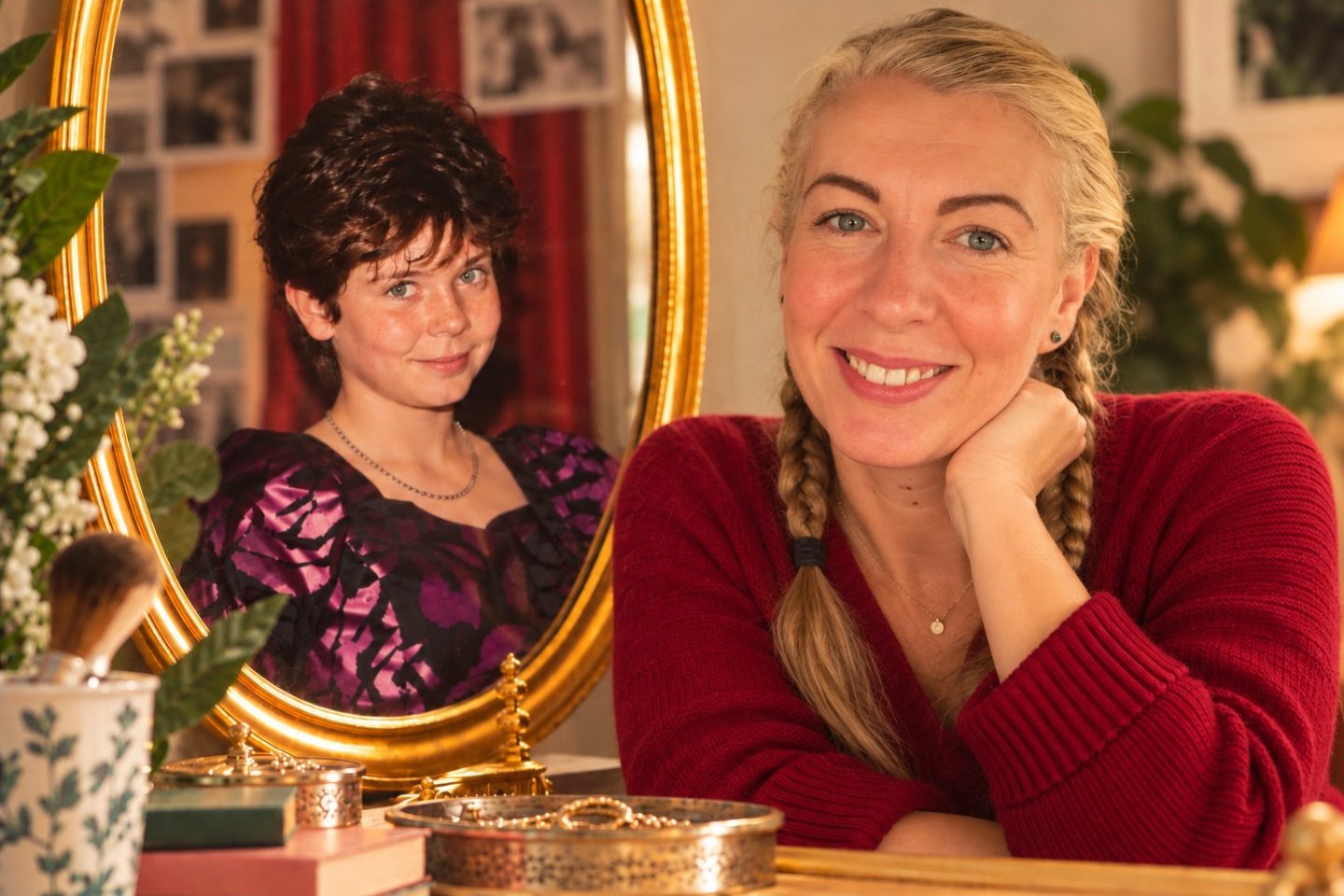
I’m 51, but I still see the girl they called ‘elephant ankles’ and ‘rabbit teeth’
I know how ridiculous those schoolyard insults were. That hasn’t stopped me looking for evidence of them in photographs.
I can leave the house feeling pleased with how I look, then see a photograph of myself and start picking apart the same features I worried about at school. I know what I’m doing, but I still find myself looking.
At 51, I’d love to say I no longer care what anyone thinks of my appearance. I care less than I did at 15, but I’m not going to pretend that a birthday has cured something I’ve carried around for most of my life.
I’ve spent years finding fault with my reflection. My ankles were an early concern, thanks to the children who called them “elephant ankles”. My teeth were “rabbit teeth”. Neither insult took much effort, although the people delivering them seemed pleased with themselves.
I remember crying and wondering what was wrong with me. Once I became conscious of people looking, I expected another remark, and being noticed started to feel uncomfortable even when nobody said anything. I learnt to examine myself before somebody else had the chance.
I thought I’d have grown out of this
I assumed those comments would lose their hold once I had a life beyond school. I’m a grown woman with a family and a job. There are bills to pay, and nobody else seems capable of replacing an empty toilet roll. I have enough to occupy me without revisiting somebody’s opinion of my ankles.
Yet when I’m tired or already feeling bad about myself, I still do it. A photograph becomes something to inspect instead of a record of where I was and who I was with. I can understand that I’m being unfair to myself and continue doing it anyway, which is frustrating to admit.
Being told to stop worrying doesn’t help much. I’d happily stop if knowing it was a waste of time were enough. Nor do I find it useful when people insist that women become wonderfully confident as they get older. I’m pleased for those who do, but it leaves the rest of us wondering why we haven’t managed it yet.
The gym doesn’t always help in the way I expect
Perimenopause has made me more aware of changes in my body. When clothes fit differently, I notice, and I don’t always feel generous towards the woman in the mirror. The NHS lists mood changes and weight gain among possible menopause and perimenopause symptoms. That gives me some context, although my worries about my appearance began long before this stage of life.
I love exercise, especially Zumba and combat-style classes. When I’m following the music or concentrating on a move, I have something to think about beyond how I look. Finishing a demanding class feels good because I know how hard I’ve worked.
Then I catch my reflection and start looking at my stomach. I can be pleased with the effort I’ve made and disappointed with my appearance within the same few minutes. Enjoying exercise hasn’t stopped me judging myself, even though I’d never assess another woman’s workout by the shape of her thighs.
I want to give my own body the same consideration. My ankles have kept me upright for more than half a century, including through countless classes and the demands of being a mum. I can acknowledge that without pretending I suddenly love the way they look.
Those worries have affected more than my enjoyment of photographs. In my piece about self-doubt in midlife and the film Labyrinth, I wrote about struggling to film my fitness assessments because I was worried about being watched. Knowing the exercises wasn’t enough to make me comfortable on camera.
I don’t need to love every inch of myself
I understand the intention behind telling women to love their bodies. But standing in front of a mirror and declaring every feature beautiful has never felt convincing to me. I’d be saying something I didn’t believe, then wondering whether I was failing at that as well.
I want to spend less time inspecting myself. If I dislike a photograph, I want to leave it alone instead of treating it as proof of how I look to everyone else. A glance from a stranger doesn’t tell me what they’re thinking, however quickly I supply an unkind explanation.
Therapy has helped me notice these habits. Mindfulness has been useful too, and I value being able to talk to people I trust without having to convince them that I’m struggling. I don’t always need reassurance about my appearance. I need them to understand why I find it hard to stop thinking about it.
I’ve also noticed that repeatedly checking whatever bothers me rarely leaves me feeling better. Once I’m searching for a fault, I’m unlikely to give myself a fair hearing. Recognising that doesn’t stop every difficult day, but it helps me question what I’m doing.
Feeling neutral about my appearance seems a more realistic aim. I can get dressed and get on with the day without first deciding whether I look good enough. There’s usually work waiting, and I’d sooner have my coffee while it’s hot.
What I want Cyrus to learn
I worry about younger women growing up with so many edited photographs available on their phones. I compared myself with people at school and women in magazines, and that was quite enough. I enjoy a flattering photograph myself, but I dislike the pressure to correct anything that makes a face look its age.
Having been bullied doesn’t make me grateful for the experience. I’d have preferred to grow up without it. It has made me careful about comments on other people’s bodies, including remarks someone thinks are harmless because they’re meant as a joke.
I want Cyrus to understand that someone’s appearance isn’t an invitation for commentary. If a joke depends on embarrassing another person, I want him to question why it’s funny. I know how unpleasant it feels to be expected to laugh along.
As for me, I still dislike photographs of myself, and I expect I’ll dislike a few more. What I want is to stop giving that reaction so much of my time. I’m 51, and I don’t want to miss the pleasure of a family photograph because I’m busy checking my ankles.
This article reflects my personal experience and is not medical advice.
Keep reading
Occasional stories, experiments, discoveries and questions from Saffron & Cyrus.
Discover more from Saffron & Cyrus
Subscribe to get the latest posts sent to your email.

Saffron & Cyrus is an independent women’s editorial publication with a recognisable voice, real-life perspective, a defined midlife audience and a commercial model built around useful, relevant partnerships.
