
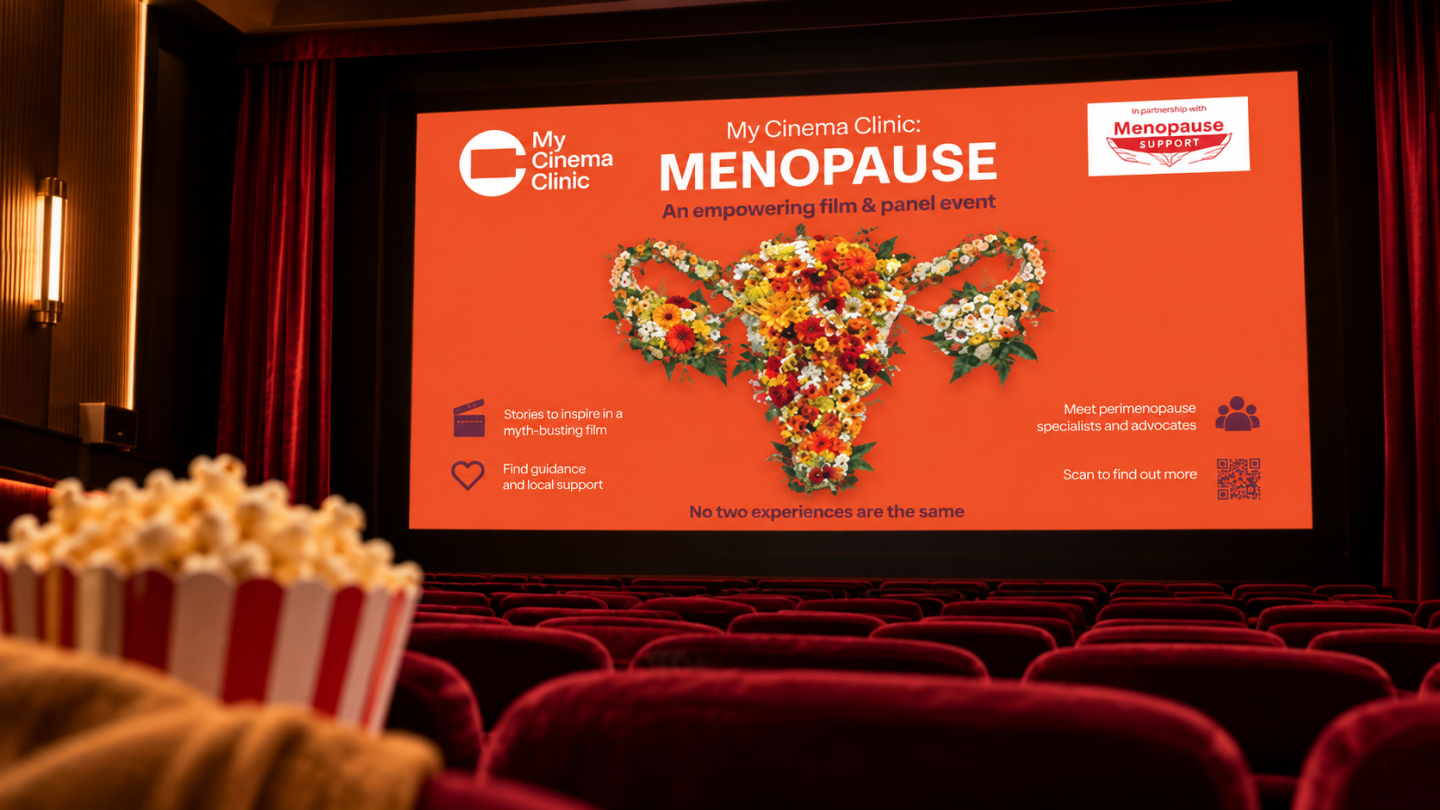

I’ve lost count of the NHS Health Checks I’ve dutifully attended. Blood pressure? Fine. Cholesterol? Nothing alarming. BMI? I’d rather discuss the weather. Yet nobody has ever asked about the hormonal upheaval that can leave a woman struggling to sleep, remember words or recognise the person she’s become. That’s why I was interested when I received advance access to My Cinema Clinic: Menopause, a 60-minute documentary bringing women’s experiences of menopause to cinemas across the UK.
The film began screening on World Menopause Day, 18 October, with panel discussions planned at participating venues and a wider release scheduled for March 2027. Meanwhile, England has introduced a menopause question into routine NHS Health Checks. Both developments are welcome, although I have a few questions of my own about whether greater awareness will translate into better support for women.
A film can start a conversation, and a health check can ask the question. But women still need somebody prepared to listen and somewhere useful to turn for help.
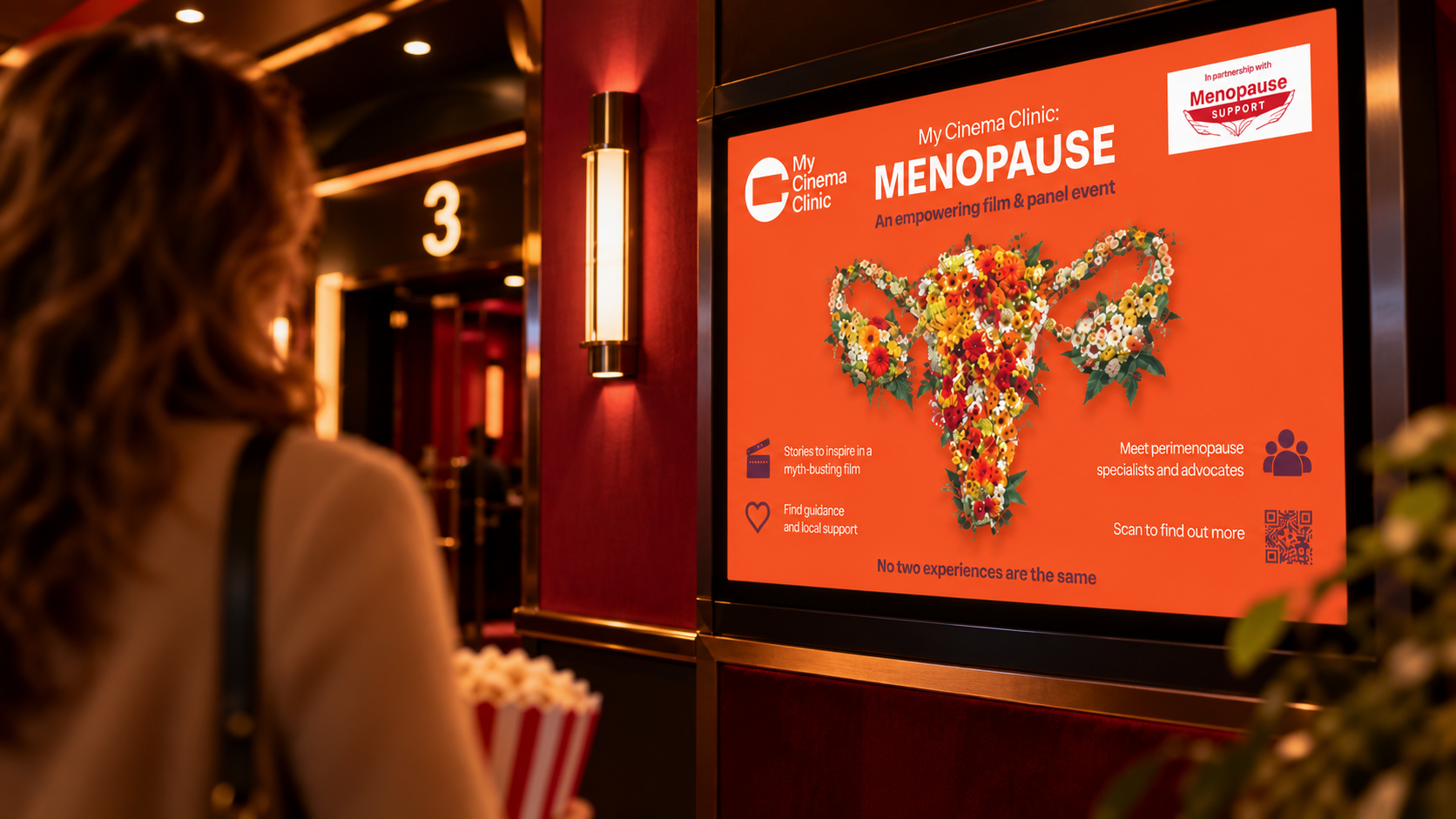
NHS Health Checks are generally offered every five years to eligible adults aged 40 to 74. They assess risks including heart disease, stroke and diabetes, but menopause hasn’t previously been a standard part of that conversation. The government’s plans could give up to five million women better access to information and support. However, Department of Health and Social Care figures show that while 3.8 million checks were offered in 2024–25, only 1.4 million were delivered. Women can’t discuss symptoms at appointments they never attend, and asking about menopause is only useful if somebody knows what to do with the answer.
What struck me about the documentary wasn’t the medical information. By this stage of perimenopause, I’ve read enough about hormones to make myself unpopular. It was the women describing experiences that rarely feature in those cheerful conversations about hot flushes. One recalls forgetting names and objects and becoming frightened she might have dementia. Another describes standing in court, unable to retrieve the word prison while addressing a judge. Eventually, jail comes to her rescue.
I recognised that horrible moment when you know what you want to say but can’t find the word. It’s unsettling when your job involves communicating for a living. Another contributor describes the devastating psychological effects of surgical menopause following the removal of her ovaries. Her account is difficult to hear, especially when she explains how seriously her mental health deteriorated. The film makes an important distinction: anxiety, memory problems and insomnia aren’t just caused by hormones, but perimenopause shouldn’t be overlooked when women seek help.
When I reached my mid-40s, I remember visiting my GP complaining about anxiety and exhaustion. I expected questions about hormones. Instead, stress was suggested, along with breathing exercises. I left feeling foolish. Months later, I was Googling symptoms at two in the morning, wondering whether the things happening to my body were connected. Looking back, I wonder whether a few additional questions might have helped me understand what was happening sooner.
Perimenopause doesn’t arrive when life is quiet. There are jobs, children, ageing parents, school arrangements and household negotiations. You’re supposed to work out why your concentration has disappeared, somewhere between remembering the PE kit and answering another email. We prepare girls for puberty, yet women can reach their 40s knowing very little about another major hormonal transition.
I’ll admit that watching a documentary about menopause isn’t my usual idea of a cinema outing. Normally, I’d prefer two hours of escapism and some popcorn. But the film surprised me. Early on, women describe menopause using words ranging from nightmare and war to liberating and revolutionary. That contrast captures something important because there isn’t one universal menopause experience, and the women aren’t pretending otherwise.
I didn’t discover anything groundbreaking, but I appreciated hearing women describe experiences I recognised without apologising for them. There’s something reassuring about another woman admitting she’s frightened by her memory problems or struggling with her confidence. It makes me feel less lonely. The planned cinema discussions could be really valuable, especially if partners, colleagues and younger women attend too. Menopause education shouldn’t start when somebody is already struggling.
I’d like to see partners, colleagues and younger women at these screenings too. Understanding menopause shouldn’t be left entirely to the women experiencing it.
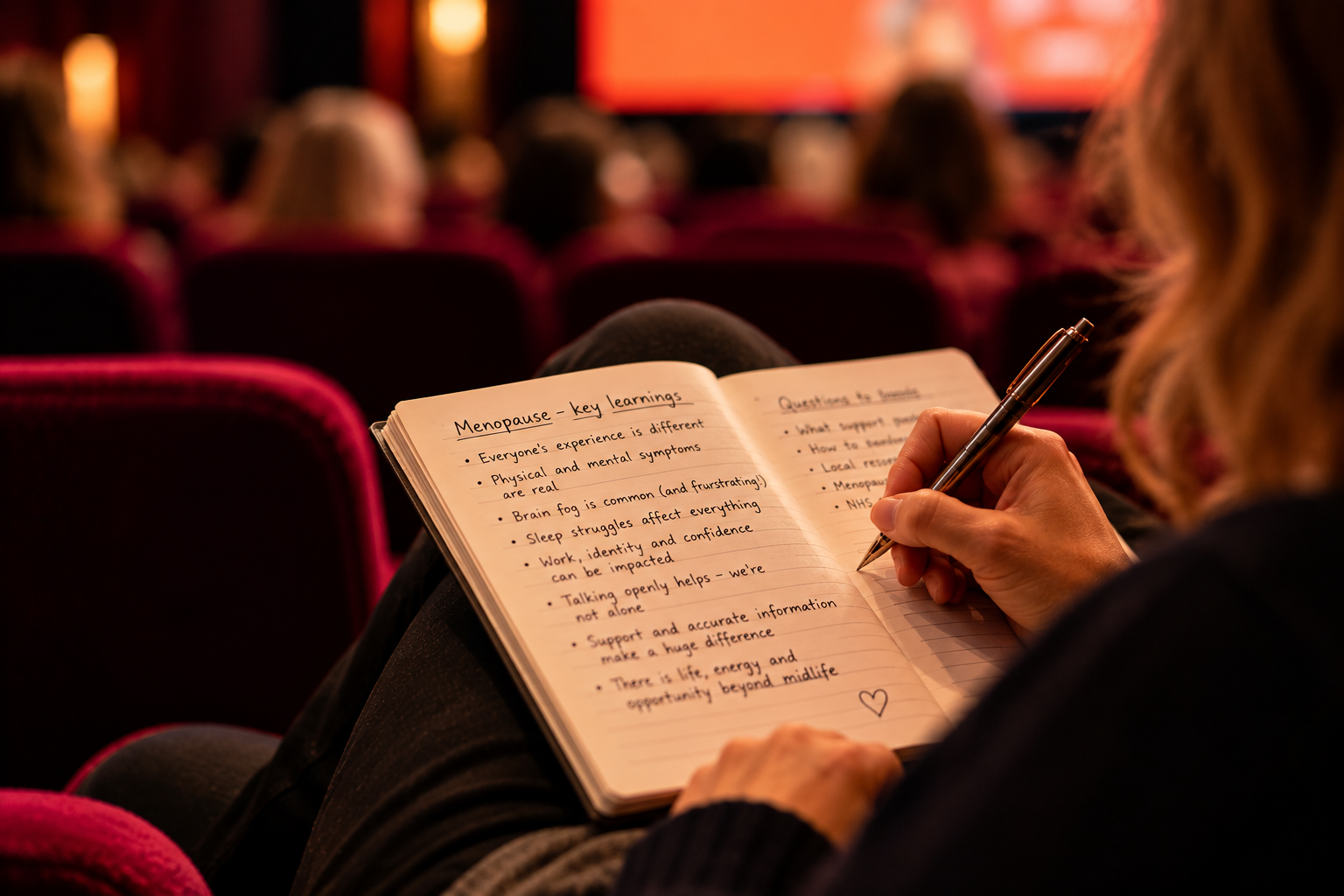
Here’s my reservation. A woman might watch the documentary, recognise several symptoms and decide to seek help. She finally understands why she’s been feeling anxious, exhausted or unlike herself. But when she gets home, she still needs an appointment, somebody prepared to listen and access to appropriate advice or treatment. A documentary can’t provide that, and neither can another question on an NHS form unless there’s meaningful support behind it.
What I liked about the film was that it didn’t present menopause as the end of a woman’s story. Some contributors describe discovering greater confidence and a different perspective on life after difficult experiences. At 51, I appreciate that. I’m not ready to be written off because my hormones have developed a mind of their own. My Cinema Clinic: Menopause gives women an opportunity to hear experiences that have too often remained private, and I hope it encourages people to ask better questions.
And did somebody explain perimenopause to you, or did you end up piecing it together yourself?

READ NEXT >>
Occasional stories, experiments, discoveries and questions from Saffron & Cyrus.
Editorial note: Saffron & Cyrus received advance access to My Cinema Clinic: Menopause. Screening and partnership information was supplied by the organisers. This article is independent editorial content and is not sponsored.
Health note: This article reflects personal experience and general information, not individual medical advice. Speak to a qualified healthcare professional about symptoms or concerns.
Discover more from Saffron & Cyrus
Subscribe to get the latest posts sent to your email.

Saffron & Cyrus is an independent women’s editorial publication with a recognisable voice, real-life perspective, a defined midlife audience and a commercial model built around useful, relevant partnerships.

Insightful post – thanks for sharing