
In H’s Persian family, another glass of tea usually comes with encouragement to eat more. I’ve been looking at the research behind our favourite brew, alongside the speciality teas I tried when the gyms reopened after lockdown.
Ad | Gifted products: Nutrilic Slim Tea and HotTea Mama Over The Moon were gifted for review. The tasting notes below describe my experiences in 2021, around International Tea Day on 21 May. They are not new product tests.
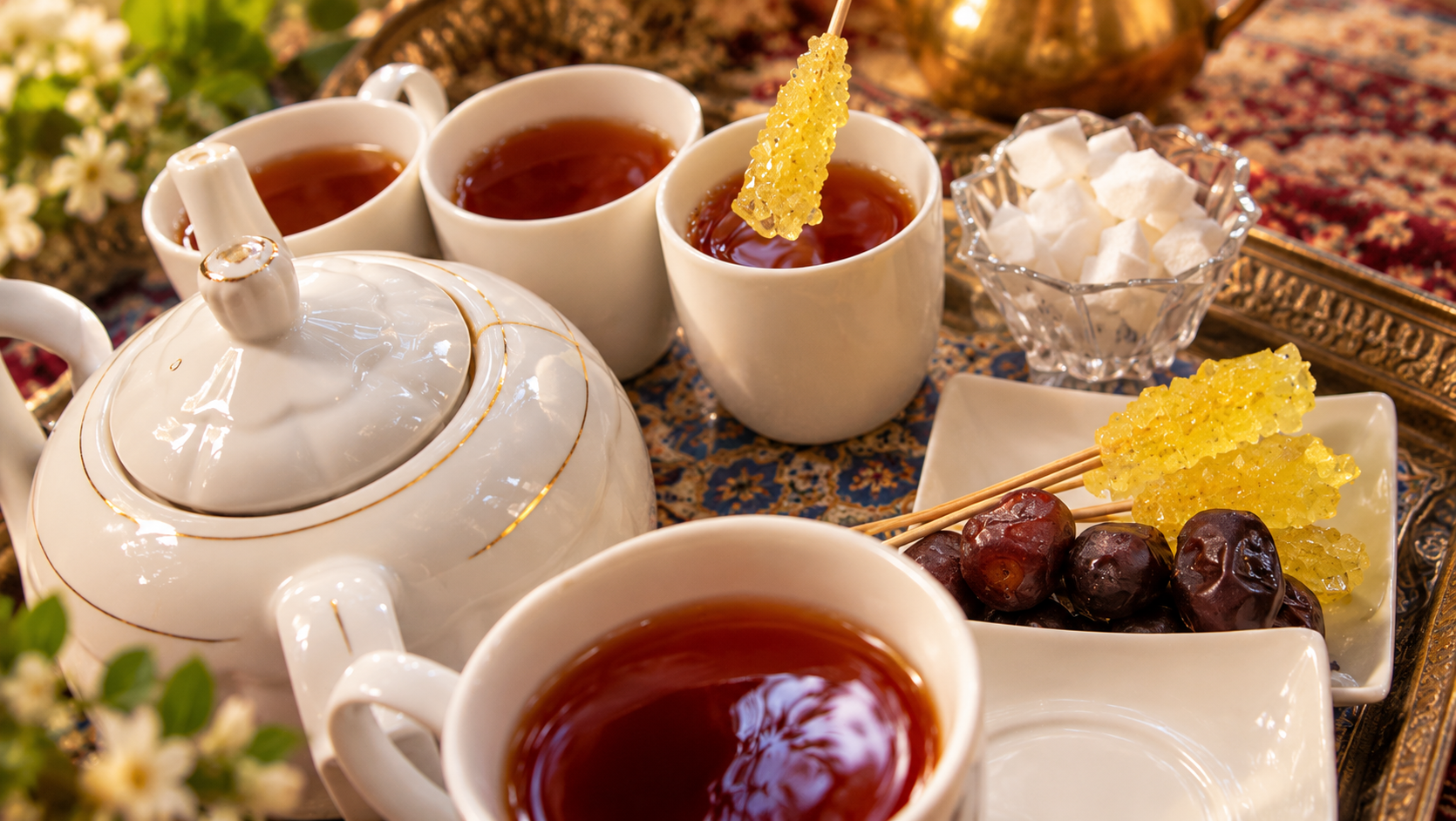
In our house, tea comes in little glasses, and Cyrus was more interested in the sugar cubes when I first wrote this. My husband, H, is Persian, so offering someone a drink can develop into a longer discussion about whether they have eaten enough.
I love watching the way tea brings people together in his family. Someone offers another glass while something sweet makes its way around the table, and the conversation continues long after the food has been cleared away. Refusing a second helping can take some persistence.
When I first wrote about tea in 2021, we’d had more than a year of lockdowns and home schooling. I was returning to the gym, and sitting around the same table as family felt like something to appreciate. International Tea Day gave me a reason to investigate the health claims as well as try a few different blends.
Persian tea and the family habits we pass on
In H’s family, chai is brewed strong and served in little glasses, often with dates or sweet pastries known as shirini. I enjoy seeing the amber colour through the glass, although a small vessel filled with hot liquid takes careful handling.
I hope Cyrus remembers these conversations as he gets older. Food and drink help him take part in a culture that also comes through in our family’s Nowruz traditions.
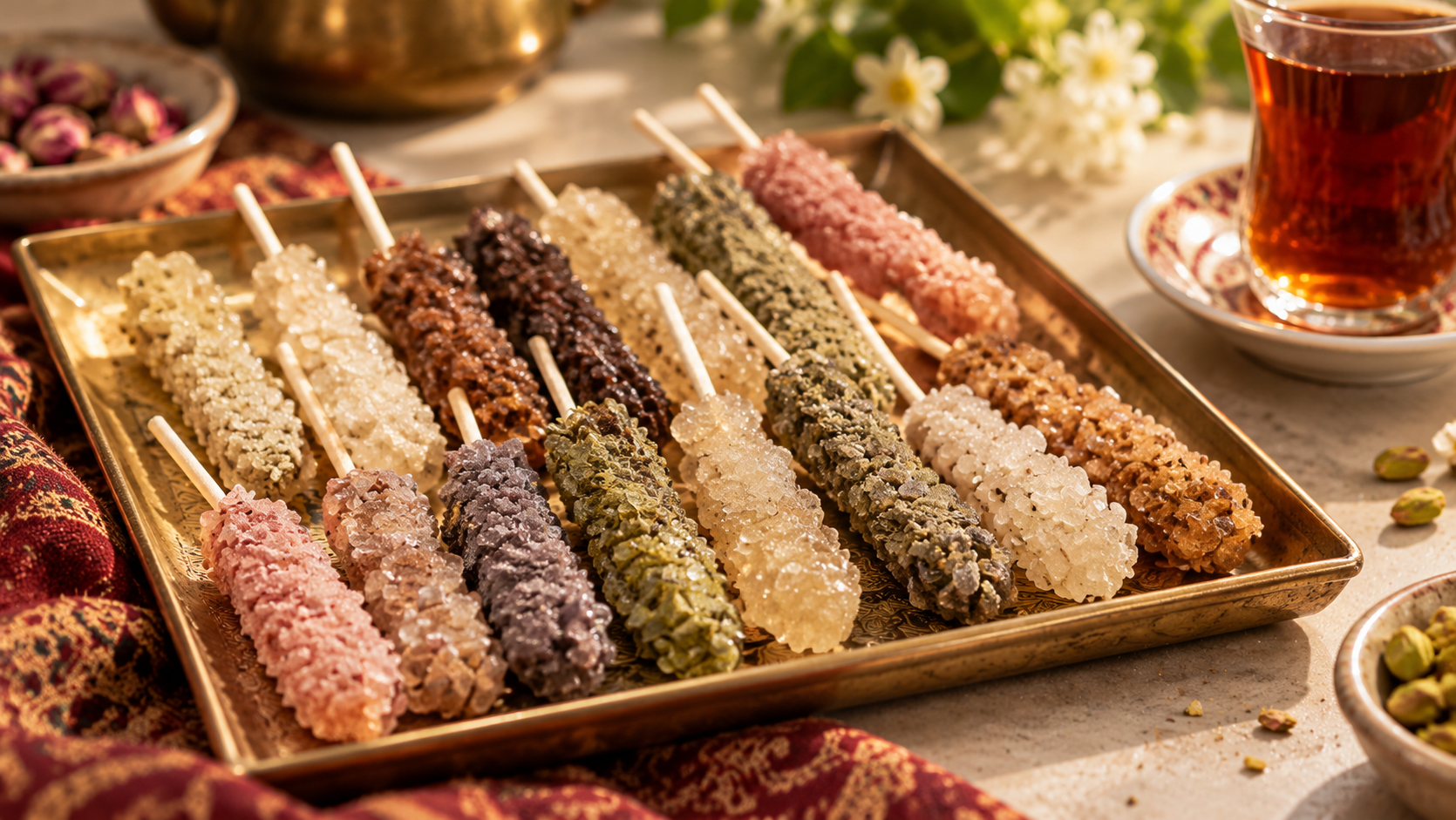
I do wonder which smells he’ll associate with home. Perhaps it will be Persian cooking or tea brewing in the kitchen, although my coffee would be more accurate on most weekday mornings.
Can tea help concentration or stress?
Given the number of times I’ve walked into the kitchen and forgotten why I’m there, research on concentration catches my attention. Black and green tea contain caffeine and L-theanine, an amino acid that researchers have studied for its possible effects on attention.
A 2025 systematic review of tea, L-theanine and caffeine examined randomised controlled trials. Some results favoured L-theanine with caffeine on short-term attention tasks, but uncertainty remained. Many doses were different from those in an ordinary cup, and the authors called for more research using tea or comparable doses in everyday settings.
That leaves a gap between doing better on a laboratory task and concentrating through a working day. It also means that supplement research cannot be treated as proof that a cup of tea treats anxiety or improves memory.
The aroma research is narrower still. A 2018 study of black tea aroma involved 18 young adults doing mental arithmetic. Researchers found lower levels of a salivary stress marker after exposure to tea aroma than after the warm-water control. It was a small experiment, not evidence that smelling tea treats an anxiety disorder. I suspect a complicated maths problem would still interfere with my enjoyment of the drink.
What do studies of tea drinkers tell us?
The China-PAR study followed 100,902 adults for a median of 7.3 years. Habitual tea drinkers had a lower rate of atherosclerotic cardiovascular disease, which involves the build-up of fatty deposits in arteries, than people who rarely or never drank tea.
The study was observational, so it cannot establish that tea caused the difference. Tea drinkers may have other habits that affect their health, even when researchers try to account for them. I wouldn’t use the results to calculate extra birthdays or expect a few cups to compensate for inactivity.
What the teas tasted like
Nutrilic Slim Tea: my first week
Gifted for review. I was sceptical about the detox and weight-management language when Nutrilic arrived. I tried it as I returned to regular exercise after lockdown, and the notes here cover the first week of a planned 30-day programme.
I found it light and refreshing, without the bitterness of some green teas I’d tried. The little mesh infuser ball was useful too, keeping loose leaves out of my cup without much fuss.
At the time, I reported more energy, less bloating and a slightly reduced appetite. I was also exercising again, so I couldn’t tell what caused those changes. Those observations do not establish a weight-loss or digestive benefit, and I wouldn’t recommend buying the tea on that basis.
I enjoyed the flavour and found the infuser convenient. My notes cover that first week only.
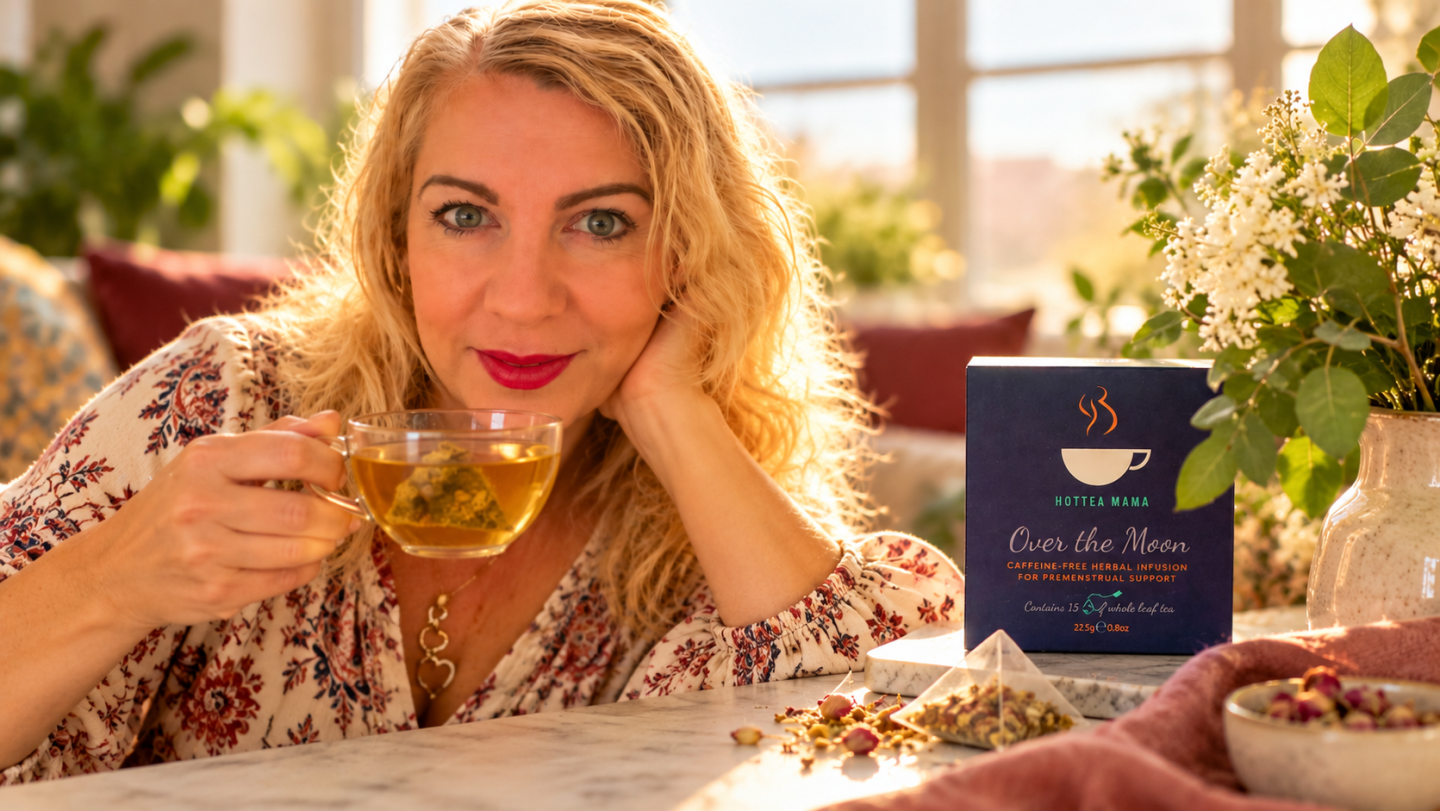
HotTea Mama Over The Moon: a floral infusion
Gifted for review. Over The Moon was one of my favourites among the herbal teas I tried then. The rose fragrance and whole chamomile flowers appealed to me, and I found the flavour soft enough to drink slowly. Warming the teapot and brewing for five or six minutes worked well for my taste.
The blend I described contained raspberry leaf, chamomile, ginkgo, spearmint, dandelion root and rose petals. Formulations can change, so check the current pack. Prices and pack sizes may also have changed since I tried it.
The brand markets Over The Moon around menstrual wellbeing. I enjoyed its flavour, but I have no evidence that it treated menstrual symptoms. Research on separate ingredients does not establish that this finished blend treats PMS, PCOS or endometriosis.
In 2021, I also liked the idea behind the brand’s Stretch and Tea for PMT collaboration with MAMAWELL, which encouraged short stretches while the kettle boiled. It appealed to me as someone who enjoys exercise but can’t always fit in a full workout. Persistent or severe menstrual symptoms need medical attention.
If you take medicines, are pregnant or are breastfeeding, ask a pharmacist or clinician before using herbal blends marketed for symptoms. The NHS guidance on herbal medicines explains why natural ingredients can still cause side effects or interact with treatment.
Saffron tea is still a favourite
A few saffron strands steeped in hot water produce a golden infusion with a delicate, earthy aroma. I enjoy the colour, and I’ve written separately about saffron tea and the evidence behind mood claims.
Studies of saffron extracts use preparations that can differ greatly from a homemade drink, so they don’t establish that my cup treats depression or anxiety. For me, the appeal is its flavour and its place in Persian family life. Enjoying it is enough reason to make it.
Do we need to count our cups?
I wouldn’t turn the research into a prescription for three or four cups a day. Caffeine intake and personal circumstances need consideration, and a herbal infusion can contain very different ingredients from black or green tea.
If caffeine affects your sleep, consider when you drink it as well as how much. Tea can also reduce iron absorption: the NHS advice on iron deficiency anaemia includes reducing tea and coffee because they make it harder to absorb iron. Ask for individual advice if you’re managing low iron or taking iron tablets.
I still love my coffee, and my interest in tea hasn’t displaced the gym. What I appreciate is sitting down with a drink I enjoy, especially when there’s someone across the table. After the separation of lockdown, being able to do that again was the part I valued most.
Which tea reminds you of home, and who taught you how to make it?
Reviews and research
Nutrilic Slim Tea and HotTea Mama Over The Moon were supplied as gifts. The tasting notes describe my own experiences in 2021. They do not establish health benefits, and the gifts do not determine my verdict.
The original feature drew on material supplied by the Tea Advisory Panel, which receives tea-industry support. The 2025 systematic review also includes authors affiliated with Lipton Teas and Infusions and Unilever. Research discussed here is linked where it is used, with its limitations explained. This article provides general information and does not replace individual medical advice.
More from Saffron & Cyrus
More family traditions around the table, with Persian poetry and Cyrus’s musical contribution.
How a Persian New Year tradition became part of our family life.
Come along for the ride.
Occasional stories, experiments, discoveries and questions from Saffron & Cyrus.
Discover more from Saffron & Cyrus
Subscribe to get the latest posts sent to your email.

Saffron & Cyrus is an independent women’s editorial publication with a recognisable voice, real-life perspective, a defined midlife audience and a commercial model built around useful, relevant partnerships.
