
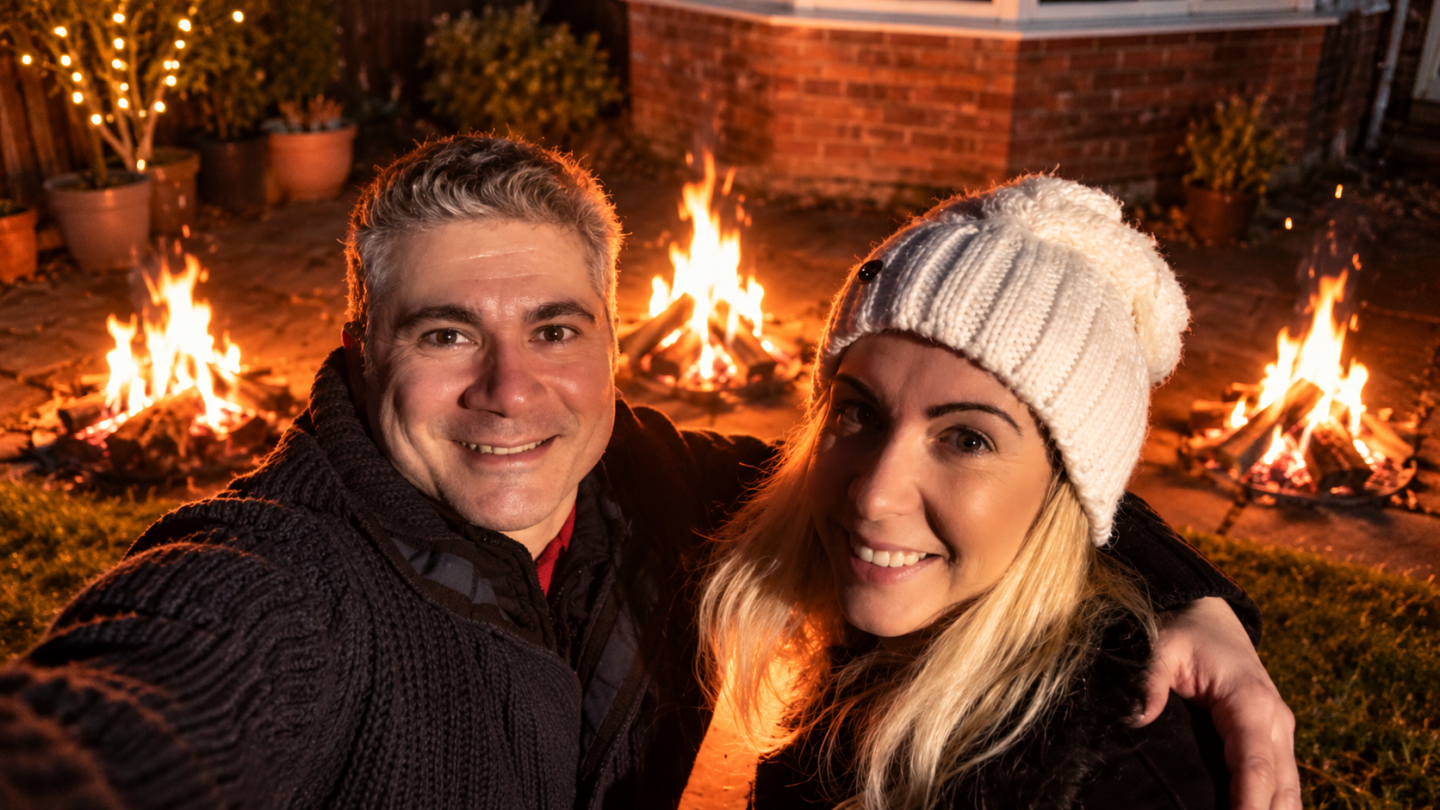
H brings the Persian fire festival to our Newcastle garden during lockdown. I try to remember the chant without setting fire to my jeans.
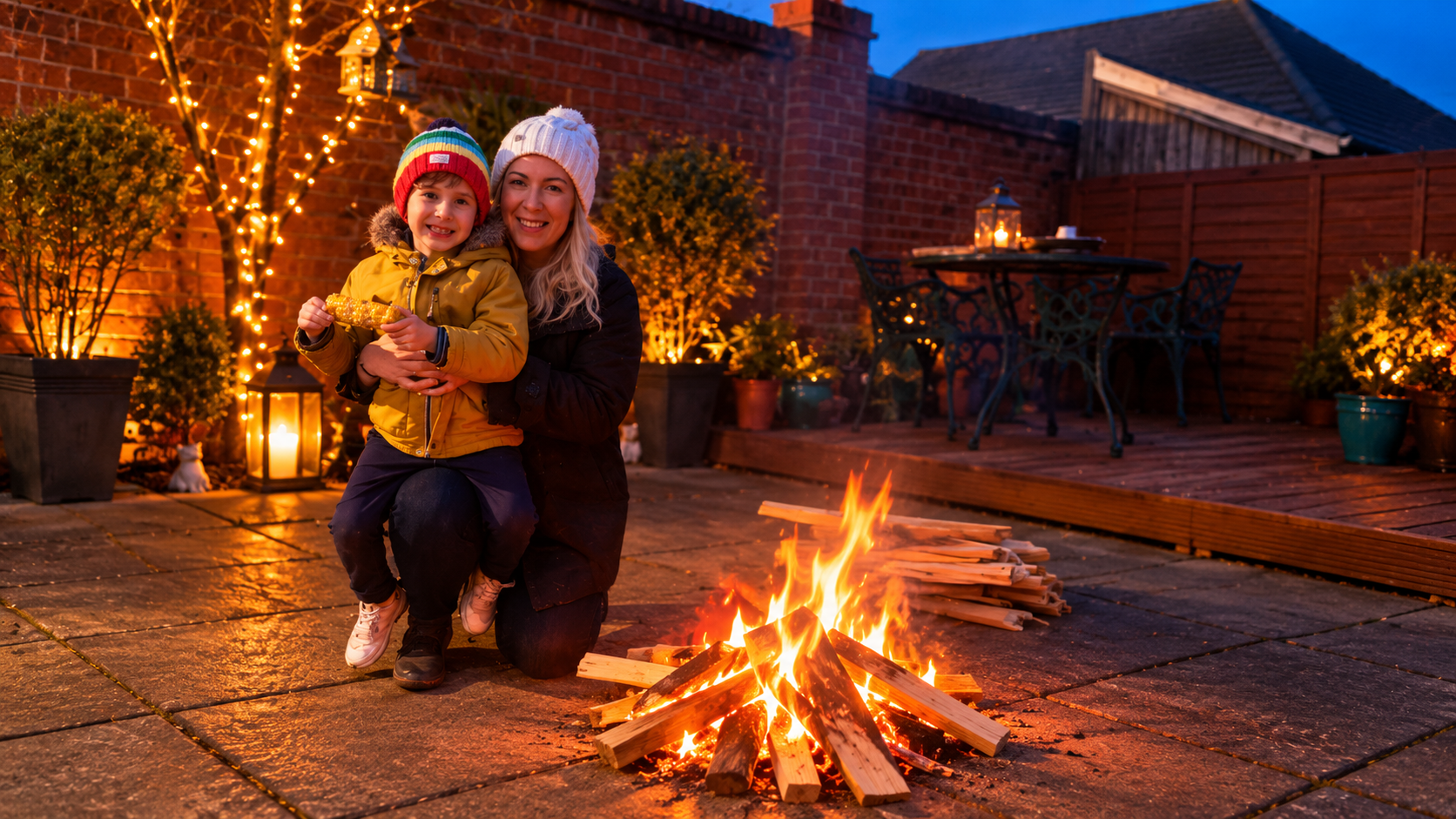
I do wonder what our neighbours make of us sometimes. We’re a fairly ordinary family, at least by our own standards, until you glance out of your kitchen window and discover us jumping over three fires while chanting in Persian.
It’s 16 March 2021, and England is still under Covid-19 restrictions. H, my Persian husband, decides that a pandemic is no reason to abandon Chaharshanbe Suri, the fire festival before Nowruz. He brings the celebration into our back garden, much to Cyrus’s delight.
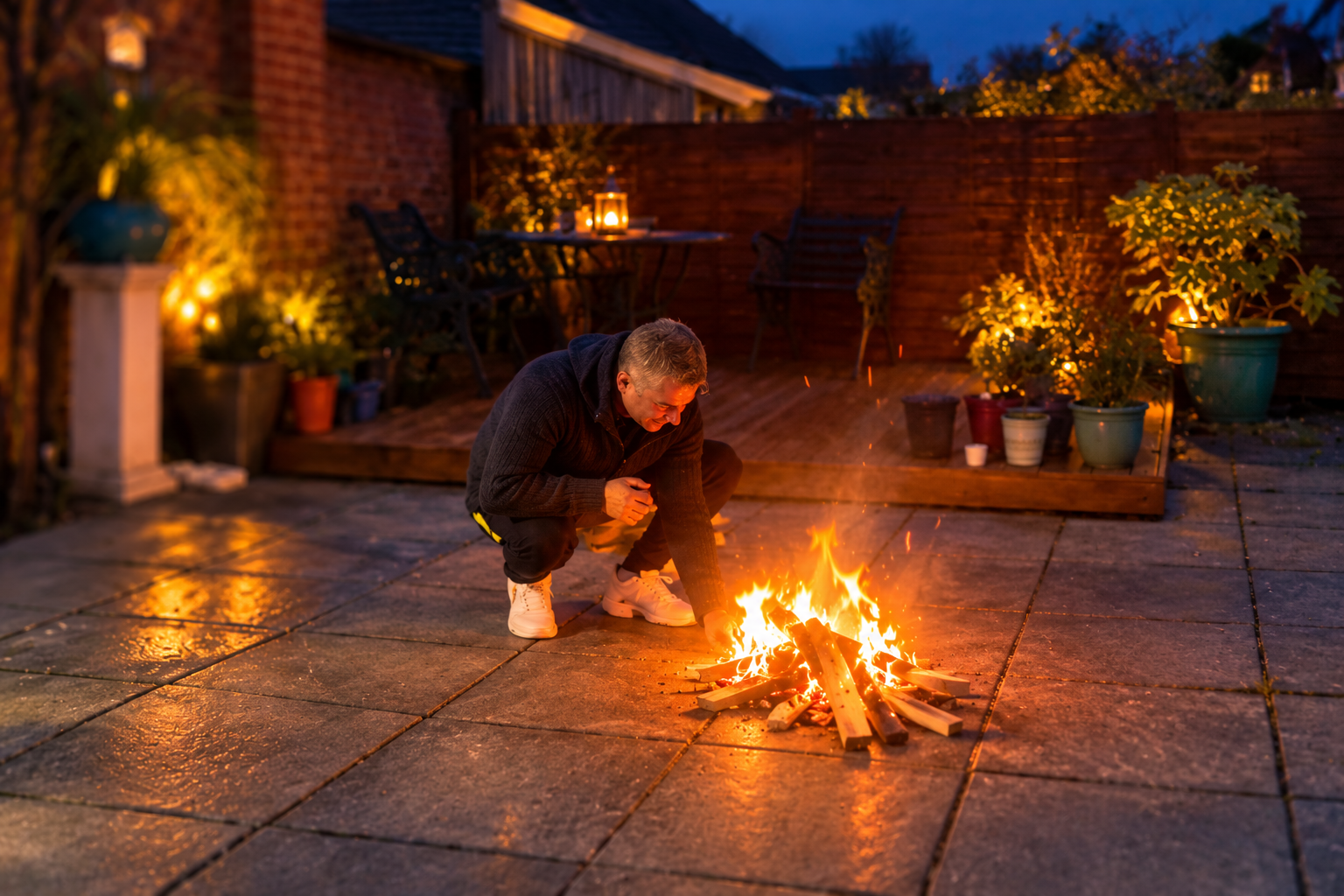
I can imagine someone next door washing the dinner dishes when H starts to arrange small piles of wood. A barbecue, maybe? Then the chanting starts and his British wife prepares to jump. I wouldn’t blame anyone for putting down their tea and calling their partner over for a second opinion.
What is Chaharshanbe Suri?
Chaharshanbe Suri takes place on the Tuesday evening before the last Wednesday of the Persian year, shortly before Nowruz. Encyclopaedia Iranica describes its fire-jumping customs, including the wish to exchange paleness for the fire’s redness. The ritual expresses a hope for health and better fortune.
H recites “Sorkhi-ye to az man, zardi-ye man az to”, which roughly means “Let your redness be mine, my paleness yours.” He knows the words from childhood, while I still struggle to remember which bit comes first.
After a year of lockdowns, I understand the appeal of handing over the previous year’s troubles. If only it were that simple, I’d be out here every Friday evening. This celebration comes before our other preparations for Persian New Year, including the Haft Sin display that led us into seven years of goldfish care.
We burn a stuffed Guy Fawkes every November
Before we British question anyone else’s customs, we ought to consider our own. On Bonfire Night, we watch an effigy burn while children wave sparklers and adults eat hot dogs. A Catherine wheel refuses to spin, someone complains about the noise and we consider it a respectable family evening.
H grew up with Chaharshanbe Suri, so the fire-jumping is as familiar to him as November fireworks are to me. Modern Persian celebrations can involve fireworks too, so neither country has much ground to claim restraint.
Personally, I think the British have the easier job. On Bonfire Night, I can stand at a distance with a hot drink. Here, I need to remember a sentence in Farsi while watching where I put my feet. I can manage the words when I stand still, and probably a jump when I don’t think about anything else, but ask me to do both and the whole thing becomes less convincing.
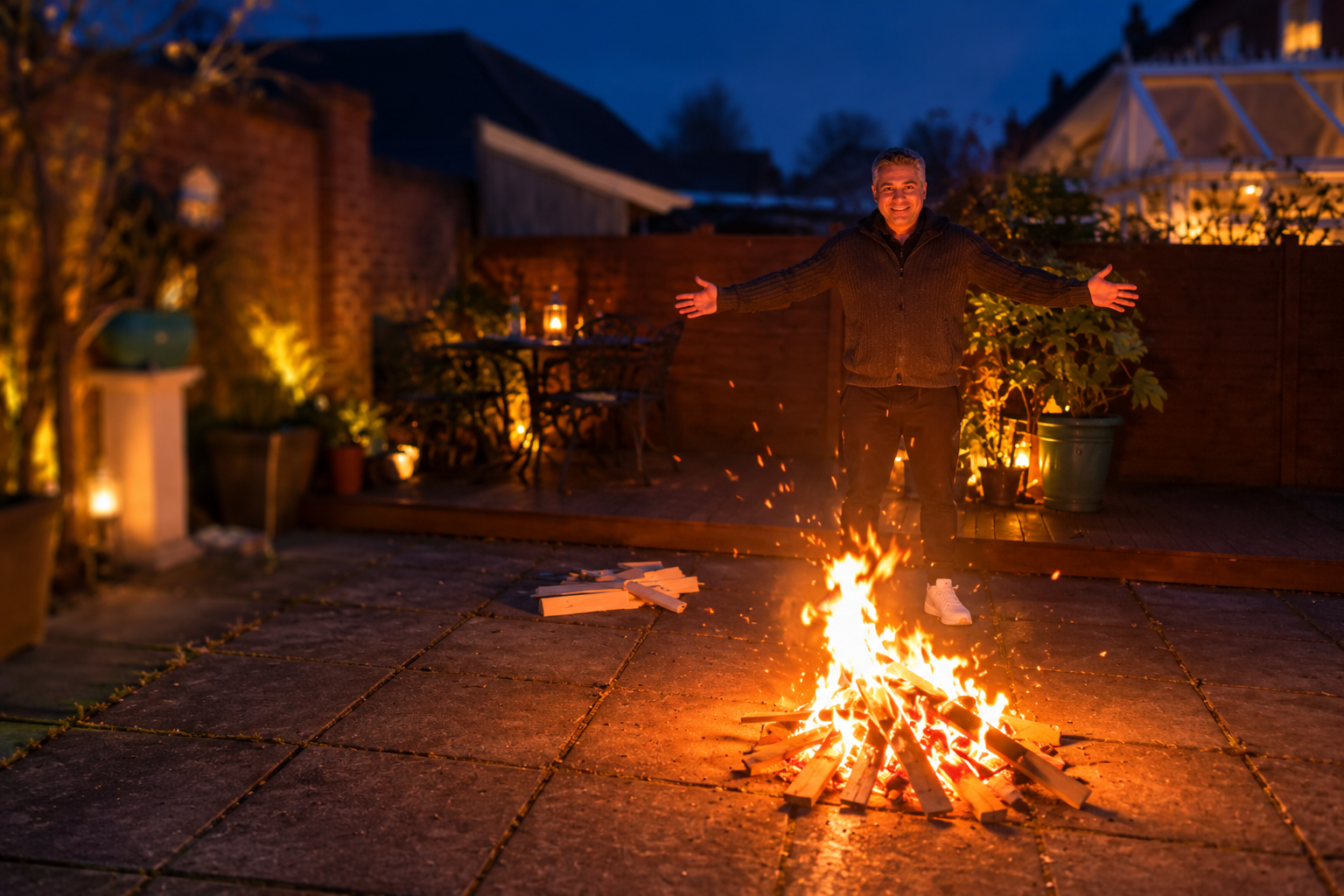
Persian spring meets Newcastle weather
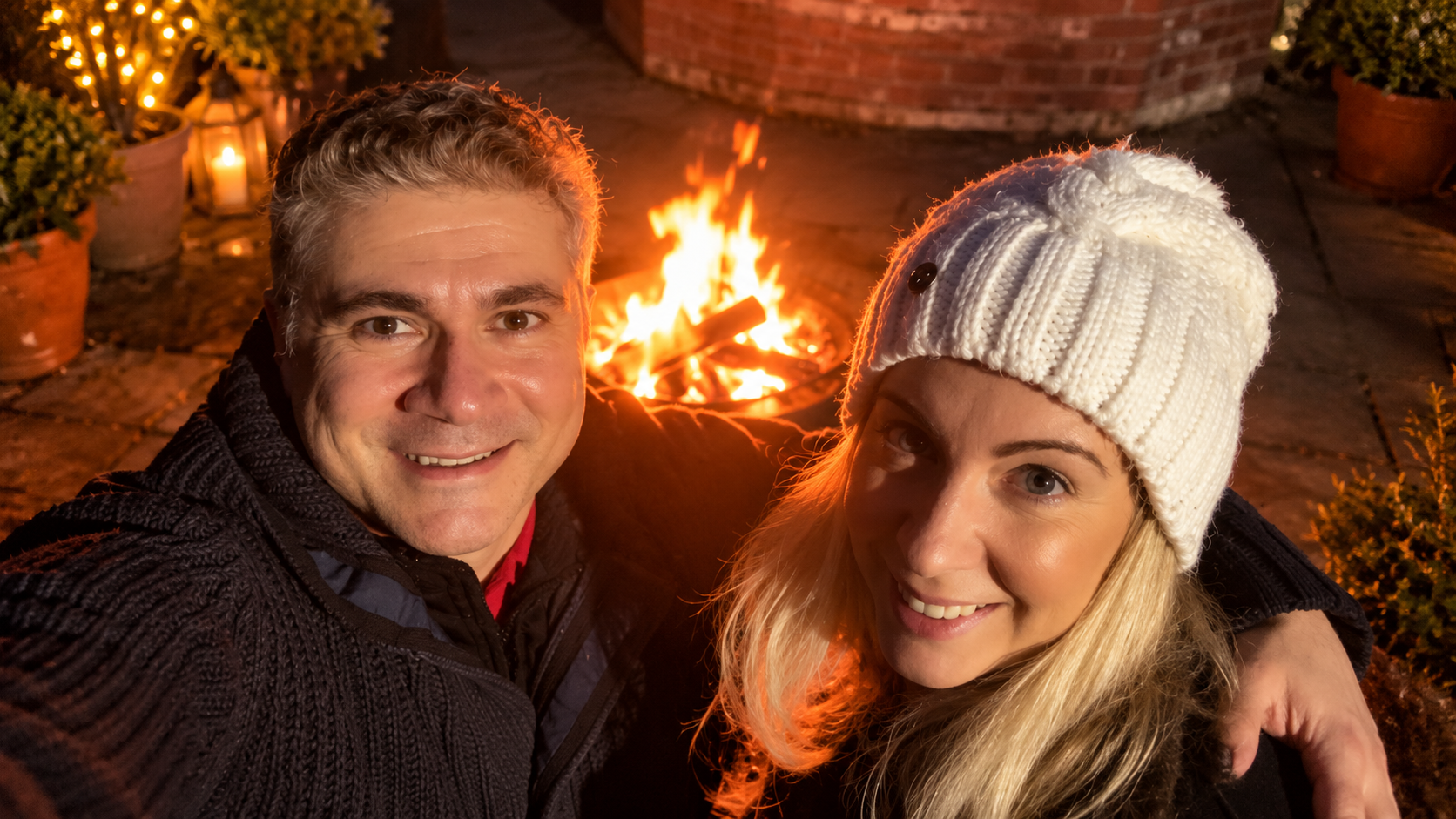
H is in his element. Newcastle is a long way from Iran, but he wants Cyrus to know the celebrations he remembers. I try to embrace my husband’s culture while keeping one eye on the fence, half expecting a neighbour to ask whether everything is all right.
I also wonder what Cyrus will tell his teachers. Children can report family activities without the background that makes them sound sensible. I can picture him announcing that we jump over fires in the garden while Mummy takes photographs, and me trying to explain the Persian calendar on the telephone.
The safety lessons need no cultural exceptions. Open flames remain dangerous, however familiar the tradition is to H. A school version with tissue-paper flames can explain the celebration without asking children to go near a fire.
Meanwhile, March in the North East means several layers and fingers that barely work. If the fire is supposed to give me its warmth, I wouldn’t mind it starting with my frozen feet. The neighbours, if they are watching, at least have central heating.
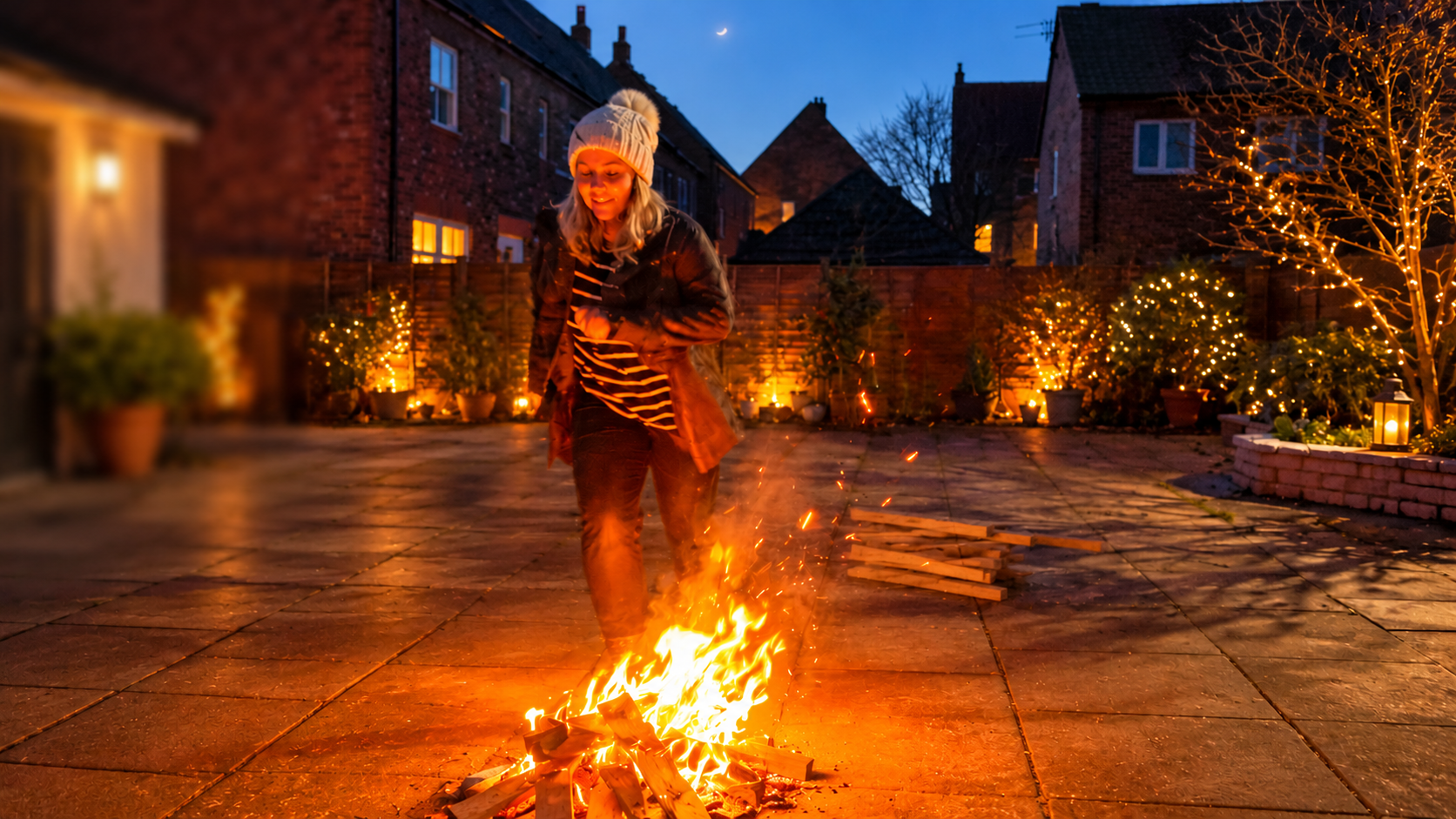
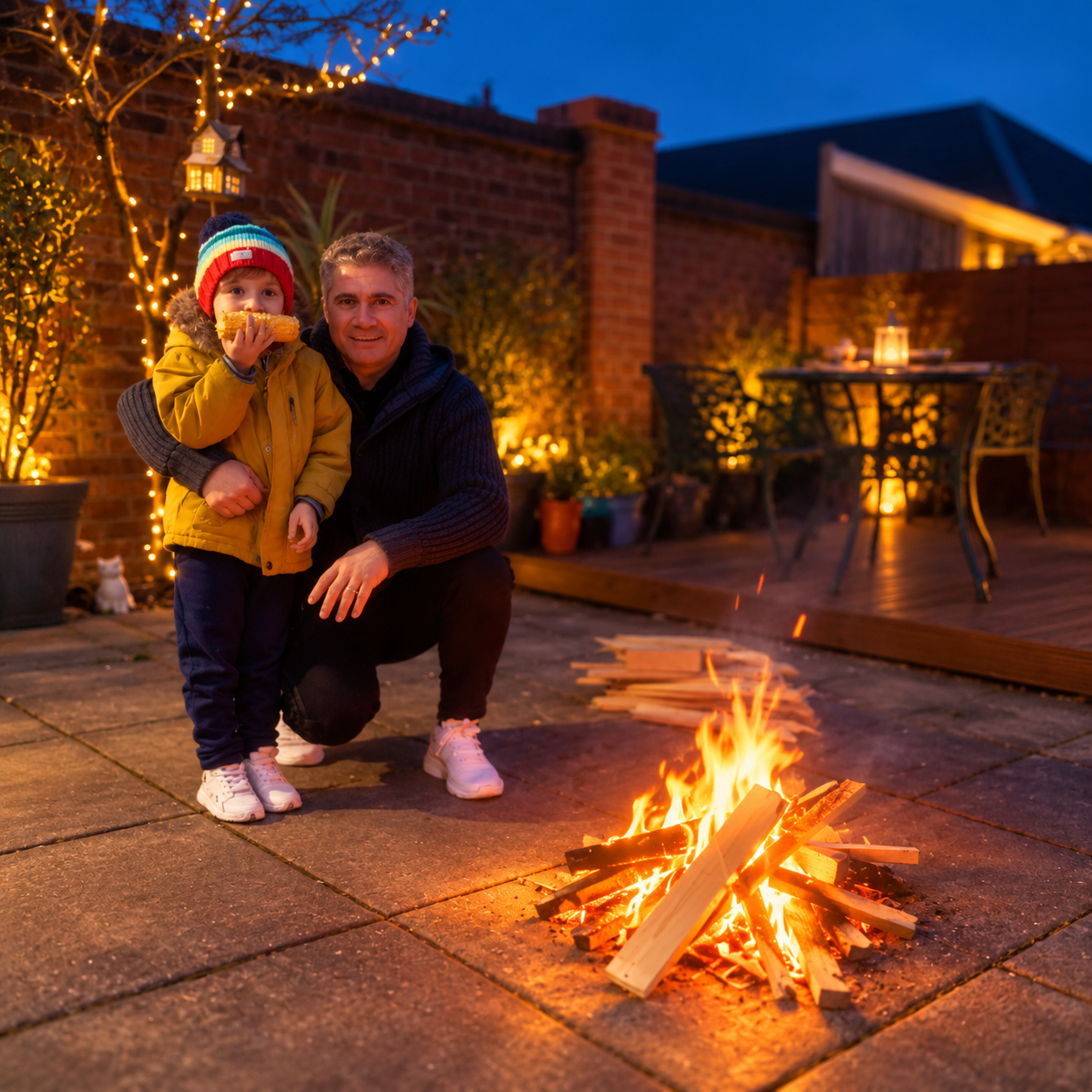
Britain’s saucepan lids look familiar
During last year’s Clap for Our Carers campaign, people stood on their doorsteps to thank NHS staff and other key workers. Saucepan lids and wooden spoons joined the applause. Married to H, I can’t help noticing the kitchen equipment.
Chaharshanbe Suri has a custom called ghashogh zani, or spoon-banging. People disguise themselves, visit homes and tap spoons against bowls or plates in return for small gifts or food. Its customs and meanings differ from the NHS applause, but the noise offers a familiar point of comparison. I think the visitors who receive sweets get the better deal.
The doorstep visits also remind me of the Persian hospitality that leaves British trick-or-treaters facing a fruit bowl. Food seems a promising way to explain a family custom, once restrictions allow visitors again.
Nuts and dried fruit, known as ajil, are traditional snacks for Chaharshanbe Suri, and regional suppers can include noodle soup. Maybe we can start with plates of food next time, before H asks anyone to learn the chant.
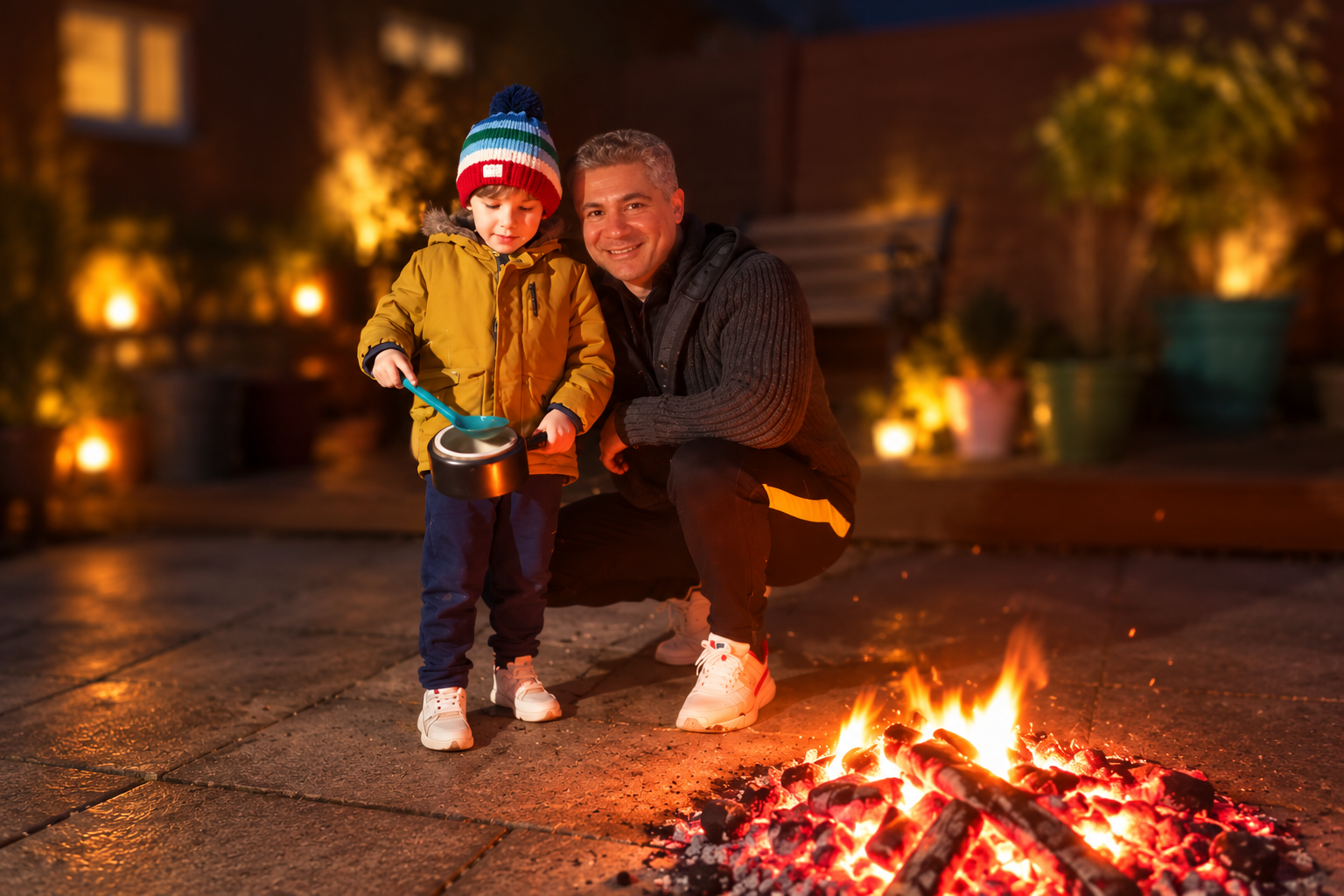
I still have no idea what our neighbours think, because every conversation behind their curtains takes place entirely in my head. H, meanwhile, shares something from his childhood with Cyrus, in our garden during a year when so much else is out of reach. I want our son to know these customs alongside the British ones he knows from school, although maybe we can give the neighbours some warning next time.
Keep children away from bonfires. Open flames can cause serious burns, and adult supervision does not make fire-jumping safe. This family account is not a guide to copying the activity. Families can explore the chant and its meaning with battery-powered lights or pretend flames. RoSPA’s bonfire safety advice explains precautions around real fires.
Which family tradition takes the most explaining to people who didn’t grow up with it?
More from Saffron & Cyrus
A Persian New Year tradition to explore with children, without the bonfire.
Our family’s Nowruz and Sizdah Bedar celebrations, with a barbecue in the pouring rain.
Come along for the ride.
Occasional stories, experiments, discoveries and questions from Saffron & Cyrus.
Discover more from Saffron & Cyrus
Subscribe to get the latest posts sent to your email.

Saffron & Cyrus is an independent women’s editorial publication with a recognisable voice, real-life perspective, a defined midlife audience and a commercial model built around useful, relevant partnerships.
