
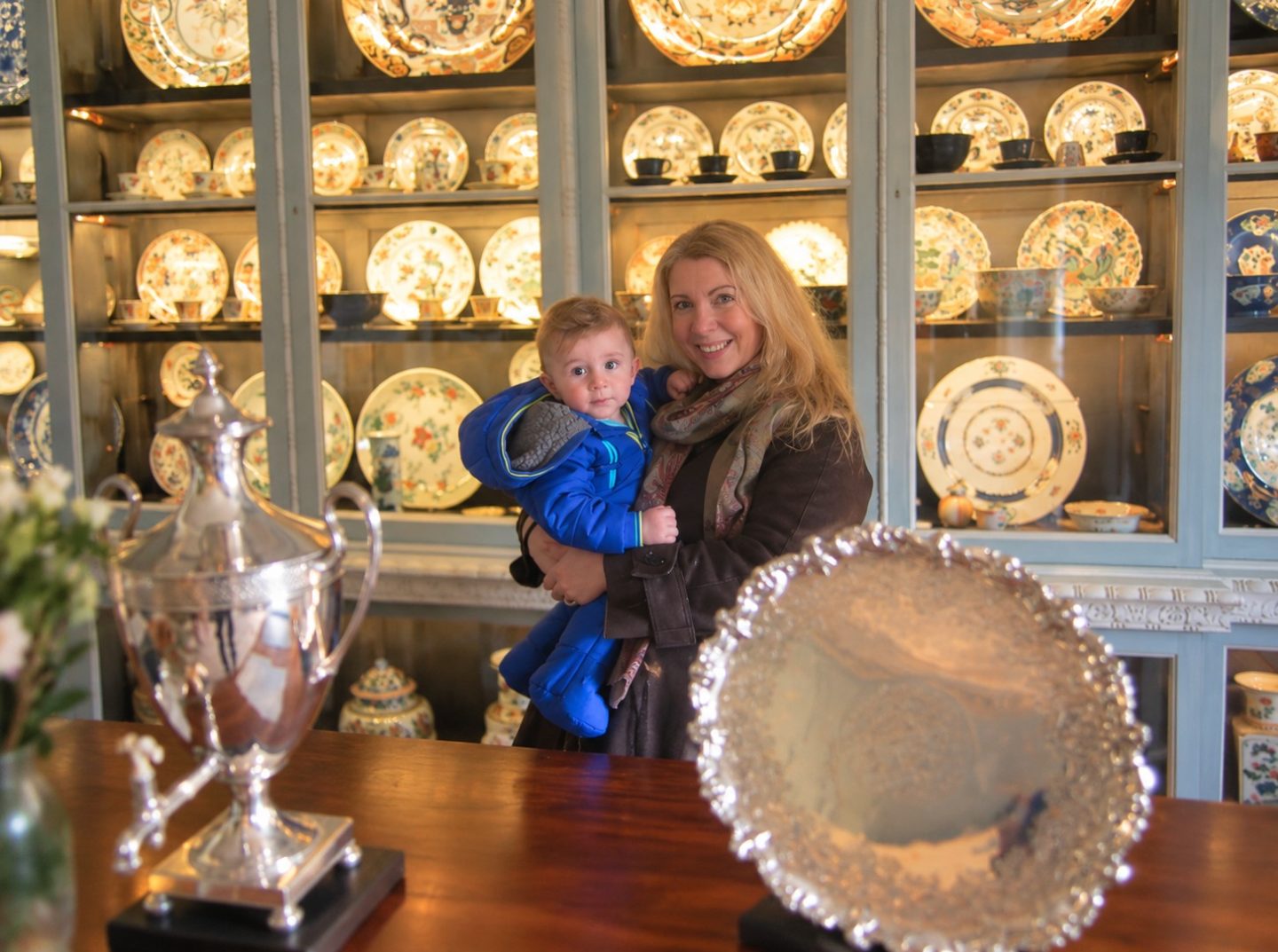
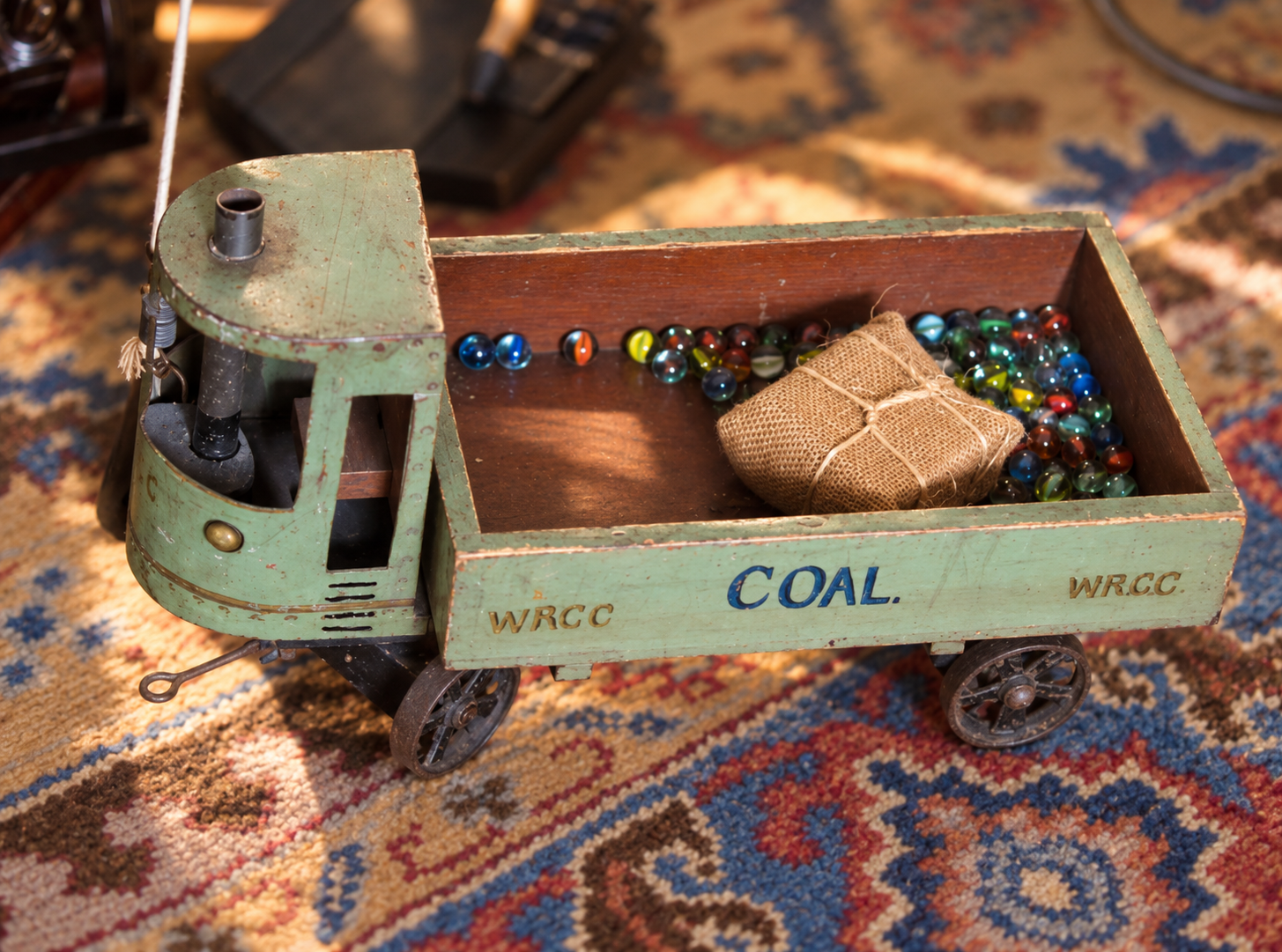
H stopped in front of a little coal wagon filled with marbles and immediately became a boy again.
We were standing in Wallington Hall in Northumberland, thousands of miles from the Persia of his childhood.
“Marbles,” he said, his face lighting up.
It was such an ordinary object that I might easily have walked past it. I had played with marbles as a child too, but they occupied no particularly sacred corner of my memory. For H, that little wagon of coloured glass balls opened a door straight back to the streets where he grew up. And suddenly our childhoods, which on paper looked so different, didn’t seem quite so far apart.
We tend to notice the cultural differences first. Sometimes it takes something as ordinary as a childhood toy to reveal everything we have in common.
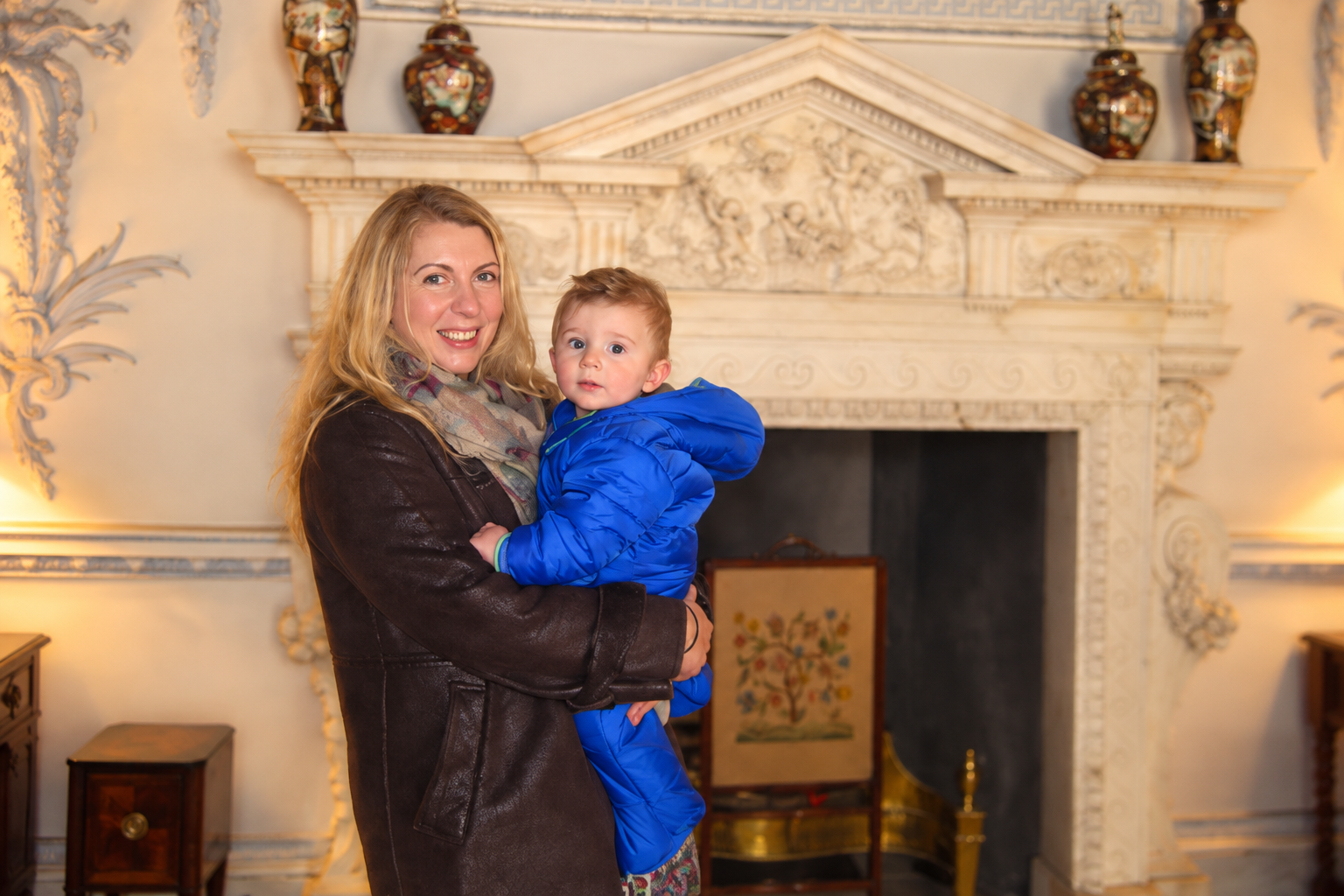
It was Easter Sunday and the Northumberland weather was behaving entirely in character. Rain lashed down, waterproofs went on and we made the relatively short drive from Newcastle upon Tyne to Wallington in Northumberland.
I hadn’t been there for roughly 35 years.
Returning somewhere you remember from childhood is a strange experience. Buildings shrink. Corridors shorten. Things that once seemed huge reveal themselves to be perfectly ordinary dimensions. My memory, it turns out, isn’t great.
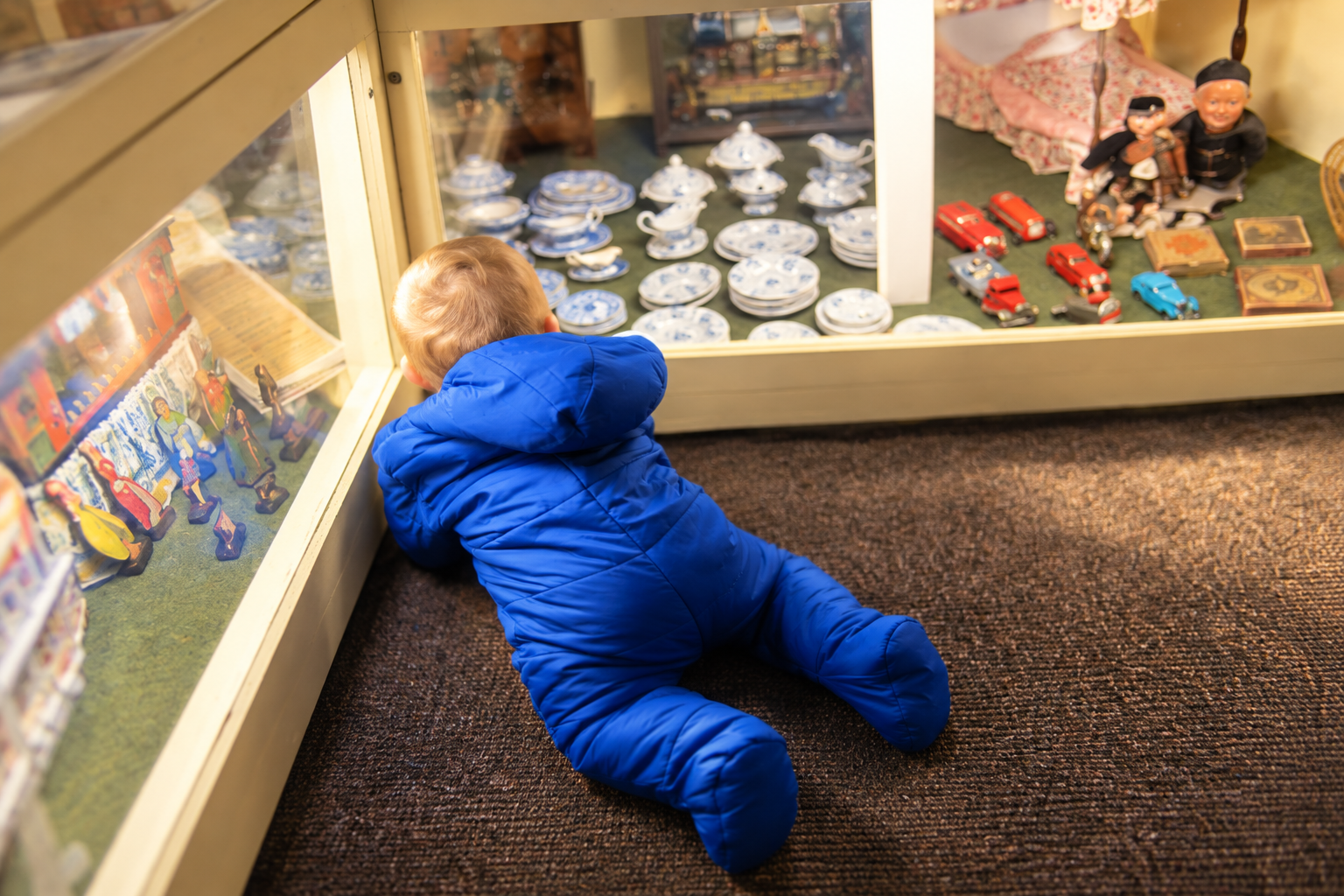
Yet parts of Wallington felt instantly familiar. I remembered family visits, picnics and the beautiful dolls’ houses. I remembered peering into miniature rooms and being fascinated by tiny domestic worlds filled with furniture, people and objects.
This time, though, I wasn’t seeing Wallington only through my own childhood memories. I was watching H discover connections to his.
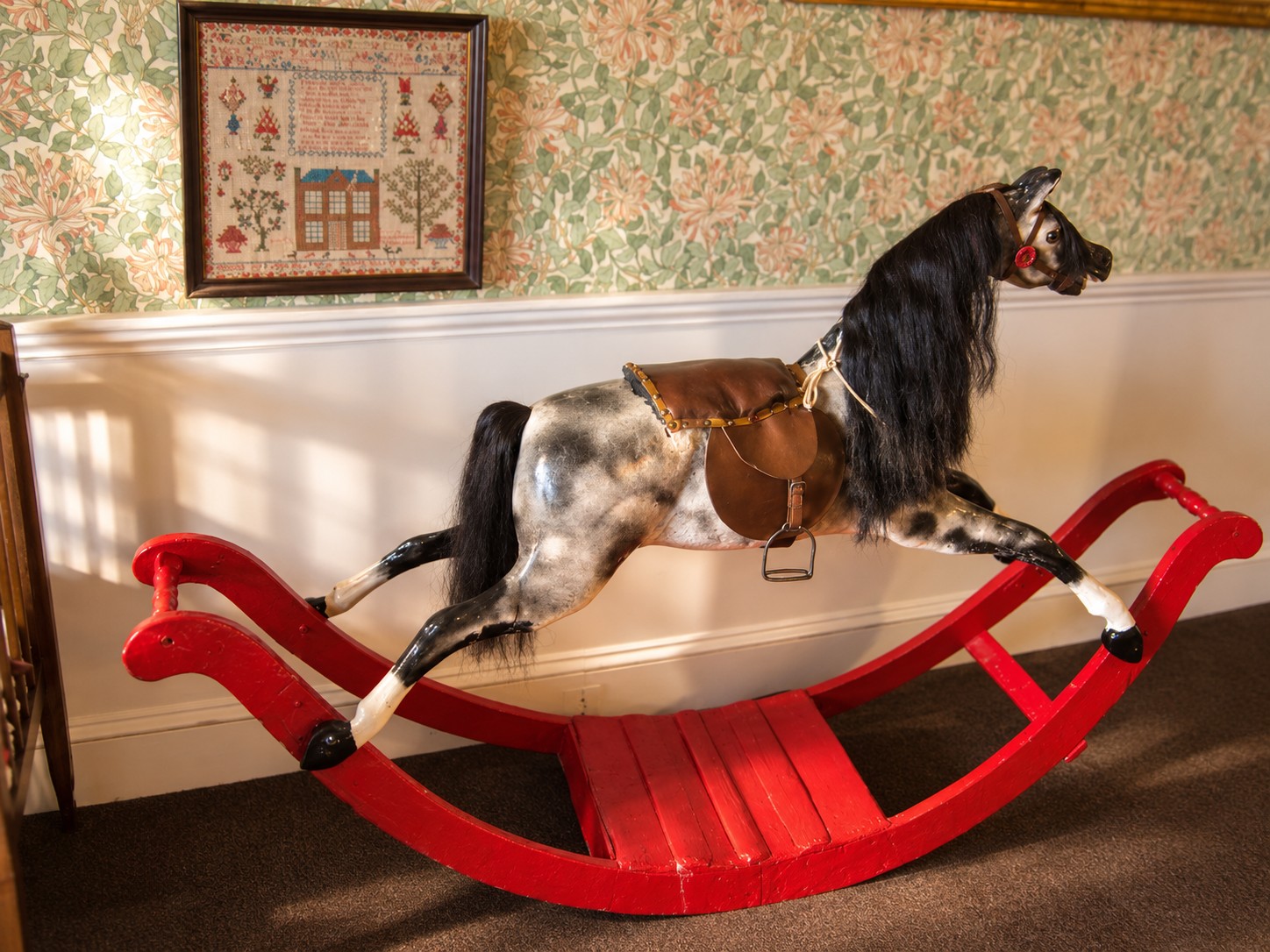
The nursery collection is full of toys that have survived generations: rocking horses, tricycles, dolls, teddy bears and miniature vehicles. Among them sat that little coal wagon filled with marbles.
H began telling me about Tileh Baazi, the marble games he played as a boy in Persia. Children would dig small holes in the ground and shoot their marbles towards them, relying on a combination of accuracy, tactics and the sort of fierce concentration children reserve for games adults mistakenly consider unimportant. They played for keeps.
H, it transpired, became rather successful. Despite not owning any marbles when he started, he somehow accumulated a bag full of glass trophies won from other children. This surprised me not at all.
I played marbles too, although my memories of them are considerably less triumphant. Other things have stayed with me more clearly: family outings and the considerably less delightful experience of waiting for childhood vaccinations in a waiting room with a rocking horse.
Yet there we were, decades later, standing in a country house in Northumberland and discovering that the same simple game had existed in both our childhoods.
We often describe cultural differences through the obvious things: language, food, celebrations and family traditions. They form part of our identity and shape the stories families pass from one generation to another.
But childhood is also constructed from much smaller details. The games played outside. The toys swapped, coveted or fought over. The smell of something cooking in a kitchen. The sound of adults talking in another room. The objects that disappear from our thoughts for decades until we see one again and are suddenly transported backwards.
Having Cyrus later in life has made me more conscious of that relationship between memory and parenthood. While watching his childhood unfold, I often find myself unexpectedly revisiting my own. Wallington was full of those moments.
One of my strongest childhood memories of Wallington was the mouse house in the Dolls’ House Room. I remembered climbing the little ladder and peering inside, so naturally I wanted Cyrus to experience this apparently magical piece of my past.
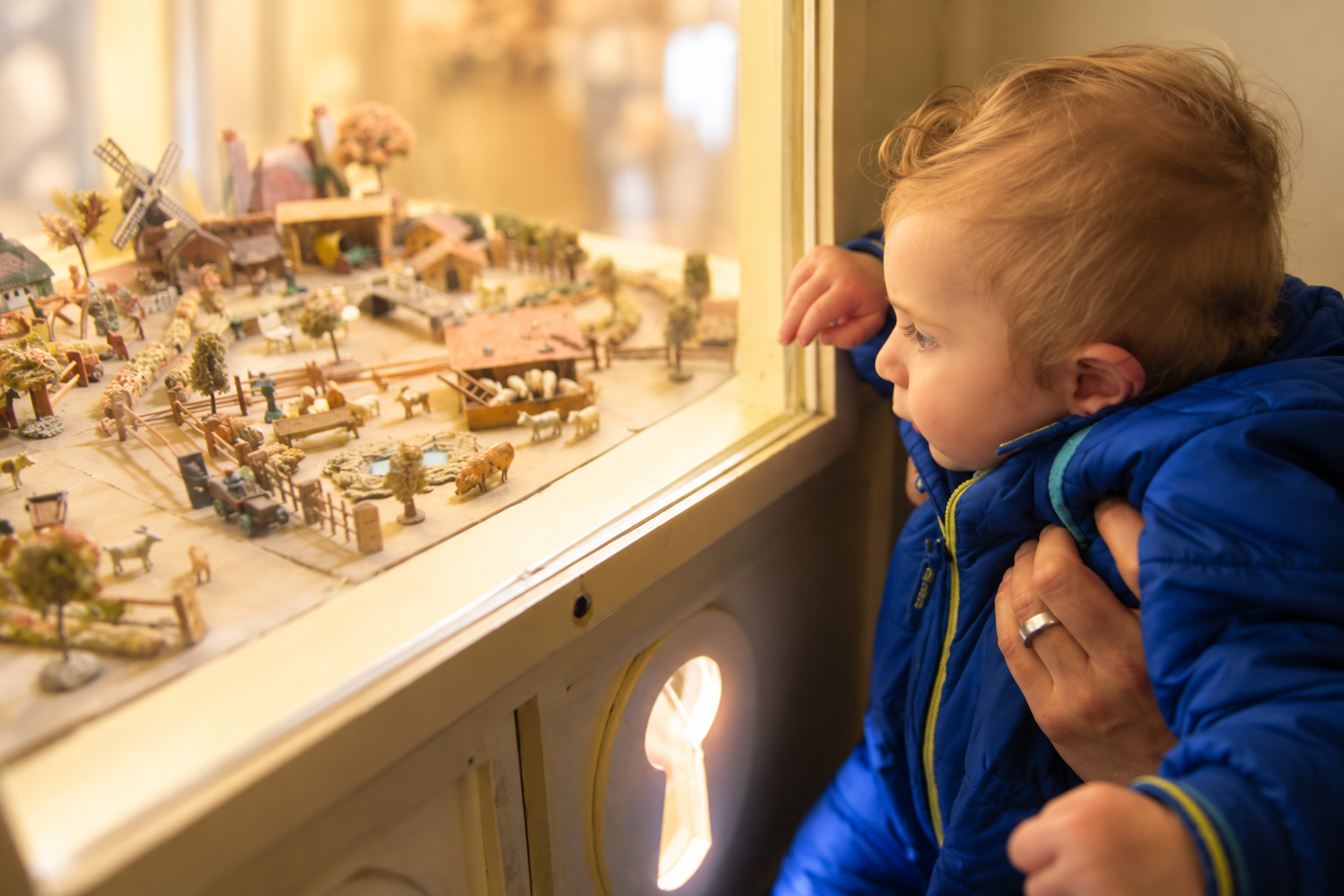
Cyrus was more interested in the miniature farm.
Parenthood is very good at correcting the assumption that your treasured childhood memories will automatically become your child’s treasured childhood memories. You can offer a small person a portal into your past and they will quite reasonably ignore it because they have spotted a tiny cow.
I climbed up anyway.
My memory had omitted one fairly important detail: it was cramped and rather damp. The other parents’ reluctance to follow suddenly made considerably more sense.
Later, H stopped again. This time it wasn’t a toy but a silver samovar in the dining room. It reminded him of his grandmother’s home in Persia, where tea for 20 people could be part of an entirely ordinary day’s hospitality.
The samovar belonged to another household, another country and another period, yet the ritual it represented was familiar to him. That is the power of everyday objects. Museums preserve them because they tell us something about how people once lived, but occasionally they tell us something about ourselves too.
My own memories are often triggered by smell rather than objects. Cucumber steeped in vinegar can take me straight back to childhood, as can meat bubbling in a stockpot or cheese scones coming out of the oven. Memory ambushes you in a kitchen.
The cheese scones at Wallington didn’t survive long enough for much contemplation. They disappeared at impressive speed, leaving Cyrus negotiating for crumbs before we eventually headed to the Clock Tower Café.
There was Victoria sponge for Cyrus, coffee for us and, finally, a chance to sit down.
Somewhere between the marbles, the mouse house, the samovar and the cake, I realised we weren’t just revisiting our own childhoods. We were watching another one being made.
Cyrus will grow up with stories from Britain and Persia. Some of the places that belonged to my childhood will become part of his family history, while H will pass on memories and traditions from a childhood lived thousands of miles away. But Cyrus’s memories won’t be replicas of ours.
One day he’ll return to Wallington and remember the dolls’ houses. He’ll remember the miniature farm, being carried around by his dad or hearing the story of how Baba started playing marbles with none of his own and ended up with a bag full of everybody else’s. Or he might just remember the Victoria sponge. Childhood chooses its own souvenirs.
What I will remember is standing beside that little coal wagon and realising how little it sometimes takes to connect two apparently different lives. H and I grew up thousands of miles apart, but give us a handful of marbles and the distance suddenly becomes much smaller.
We’ll return to Wallington, preferably when Northumberland has temporarily misplaced the rain. There will probably be a picnic and almost certainly cake. And when Cyrus is ready, H can teach him Tileh Baazi. Given his father’s childhood record, however, Cyrus might want to count his marbles before they start.
Occasional stories, experiments, discoveries and questions from Saffron & Cyrus.
“`
Discover more from Saffron & Cyrus
Subscribe to get the latest posts sent to your email.

Saffron & Cyrus is an independent women’s editorial publication with a recognisable voice, real-life perspective, a defined midlife audience and a commercial model built around useful, relevant partnerships.
