
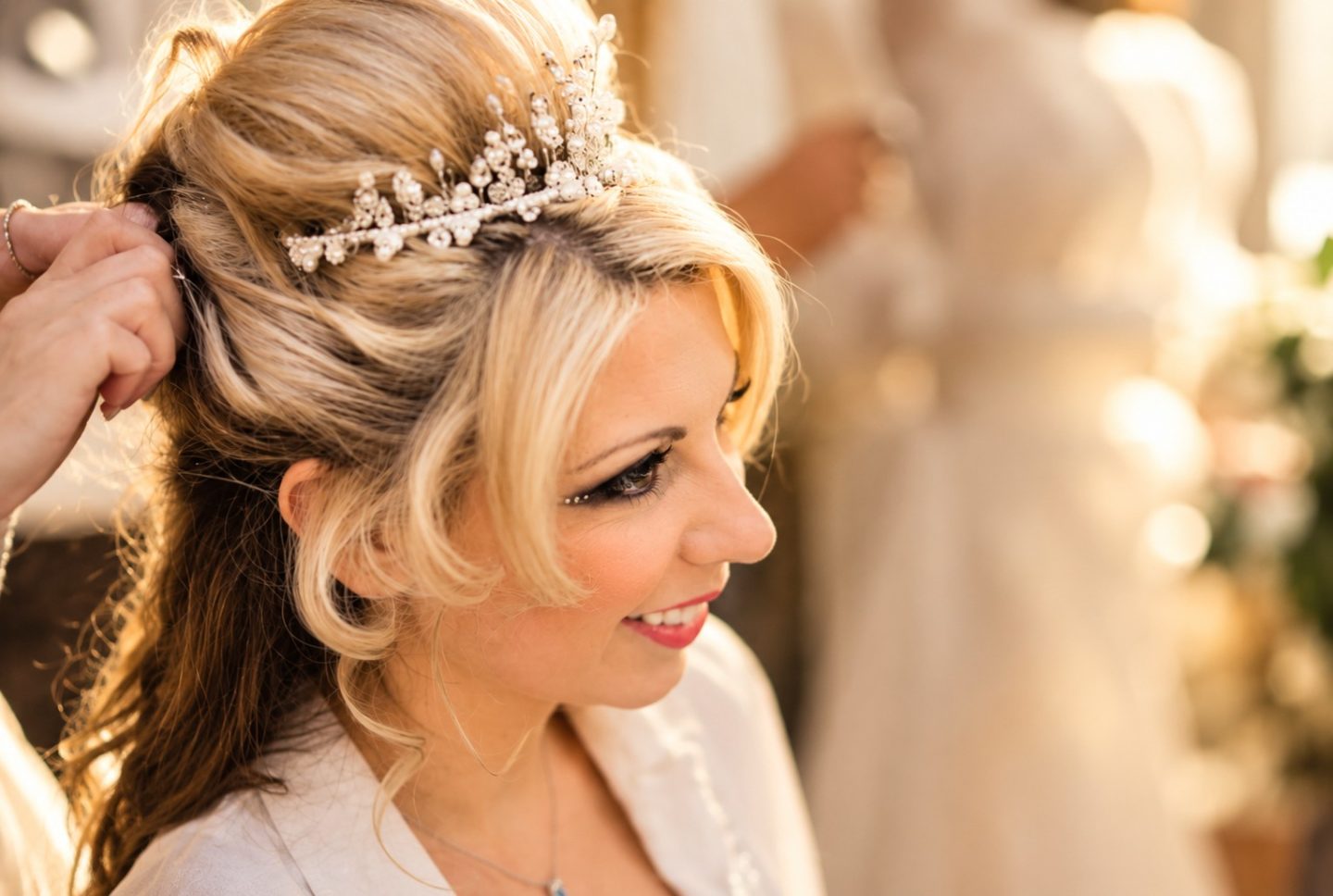
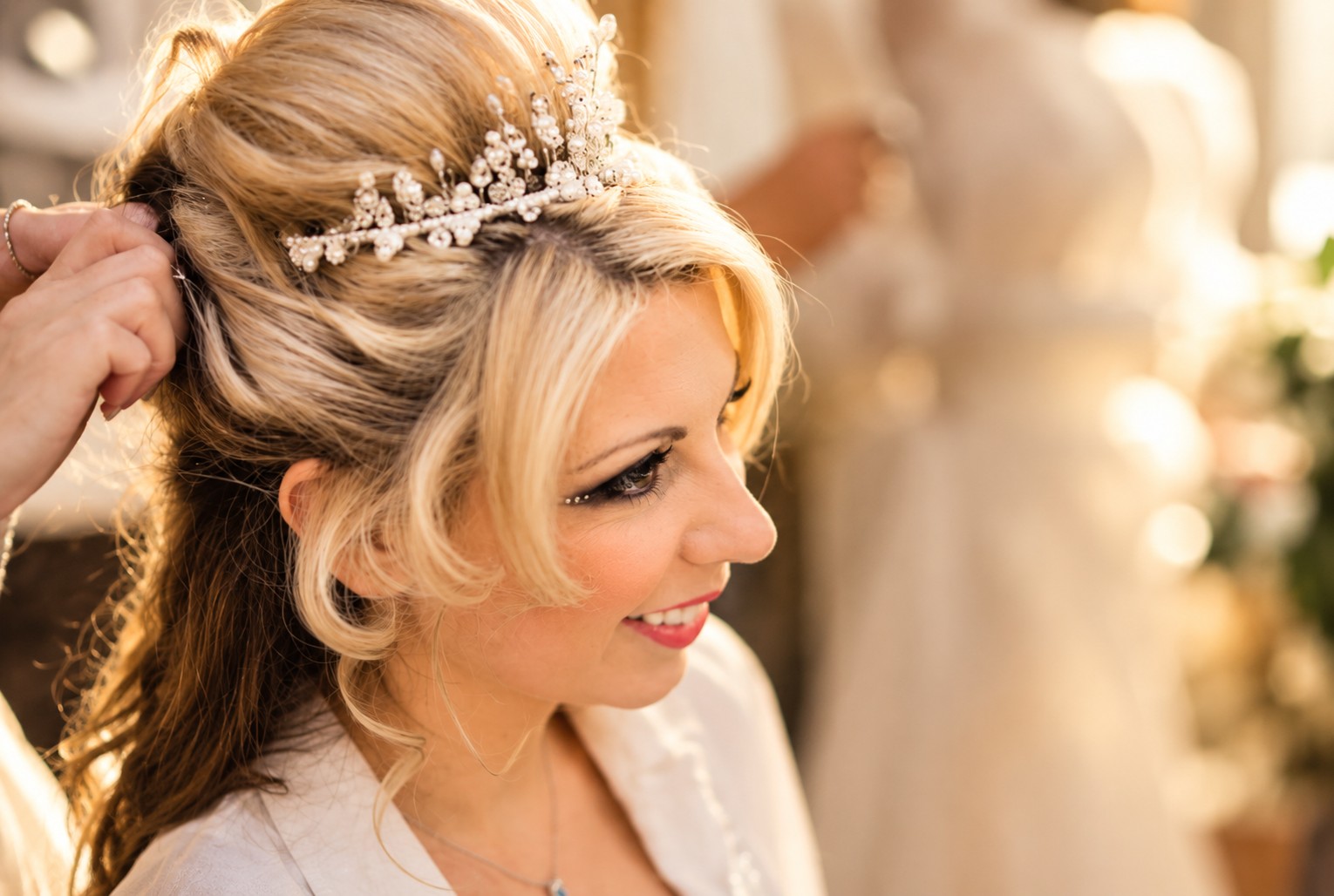
If you are going to celebrate love, Persian culture makes a compelling case for doing it properly. There should be flowers and food, family and traditional customs, candlelight and symbolism, and probably a little gold somewhere. If, like me, you also grew up on fairytales and Labyrinth, there should ideally be a castle and a prince. Mine happened to be Persian. He arrived without the magic carpet, but I decided not to hold that against him.
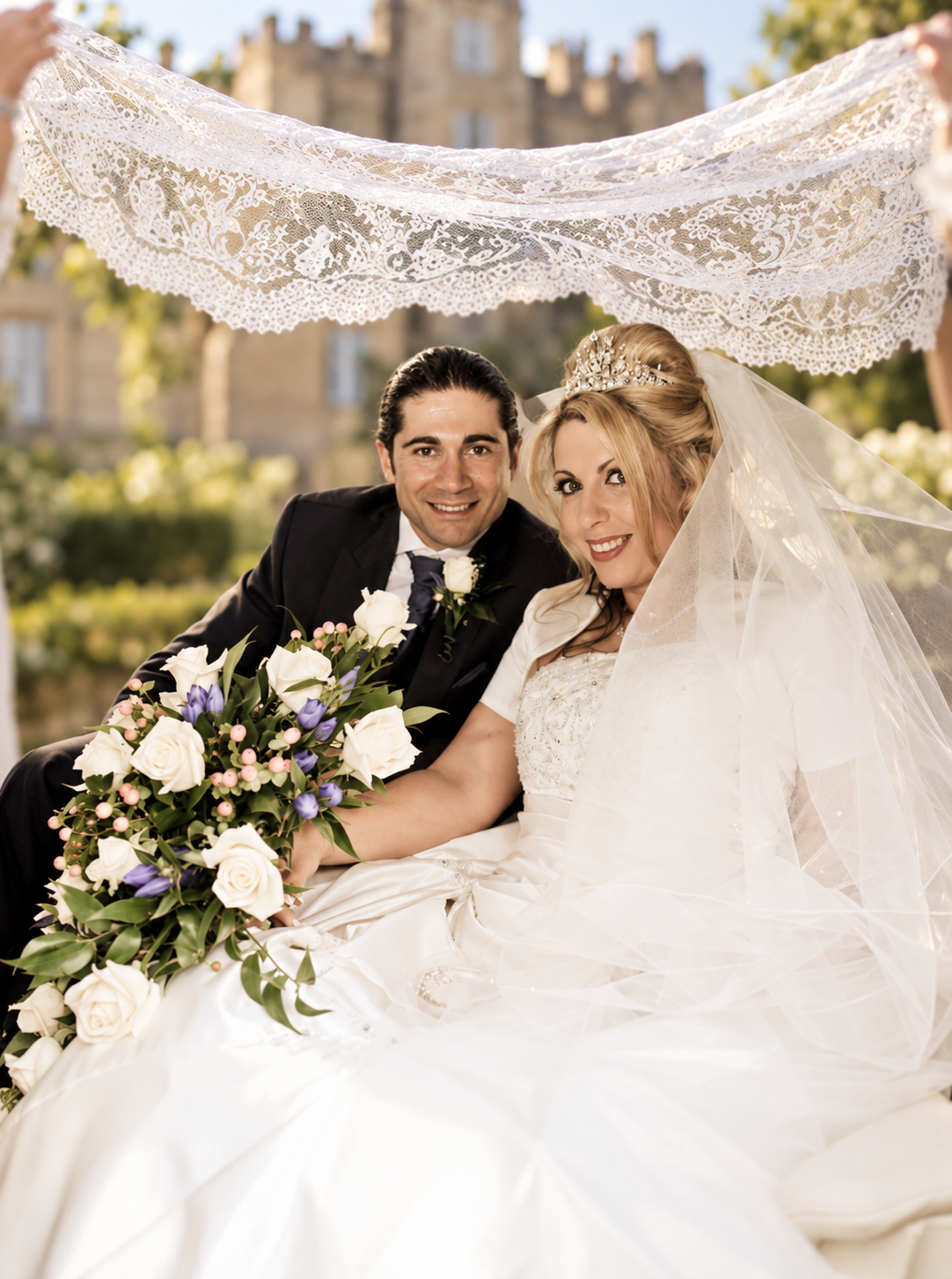
Our Persian-inspired wedding at Lumley Castle in County Durham brought together rather more than two people. It brought together Britain and Iran, my North East roots and H’s Persian heritage, childhood fantasy and grown-up reality. There were roses and pomegranates, candles and esfand, a sofreh aghd, fireworks and enough unfamiliar traditions to keep some of our British guests asking questions well into the reception. We weren’t trying to recreate a traditional Persian wedding in Britain, and we didn’t want an English wedding with a few Persian touches added for effect. We wanted a celebration that felt unmistakably ours.
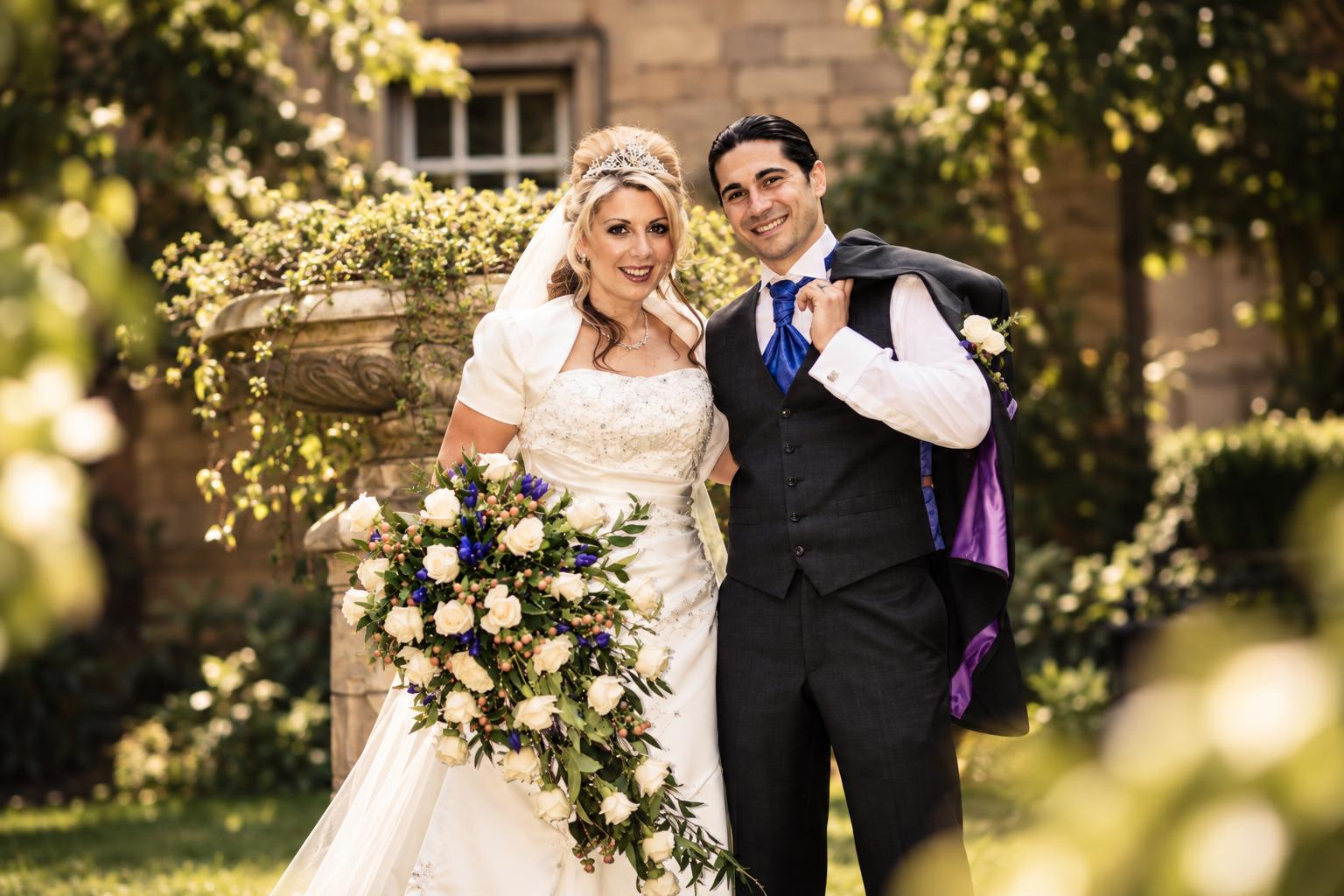
There was another influence running quietly through it all: Labyrinth. I had loved the film since I was young, especially the ballroom scene in which Sarah appears in a beautiful gown with masses of romantic, tumbling hair. When it came to choosing my wedding hairstyle, I didn’t arrive at the hairdresser clutching the usual bridal magazine. I took a picture of Sarah. I wanted those curls and that slightly impossible fairytale glamour and, with the assistance of a few extensions, I got my own version of it.
At the time, I saw Labyrinth very differently from the way I see it now. As I wrote in
At 50, I finally understand the film ‘Labyrinth’
my younger self was captivated by the fantasy, the mysterious man, the ballroom and the idea of finding your prince. At 50, I see Sarah’s journey as something far more interesting: a young woman finding her way through somebody else’s fantasy and recognising her own power. On my wedding day, however, I was still rather fond of the prince-and-castle interpretation. Fortunately, I had both.
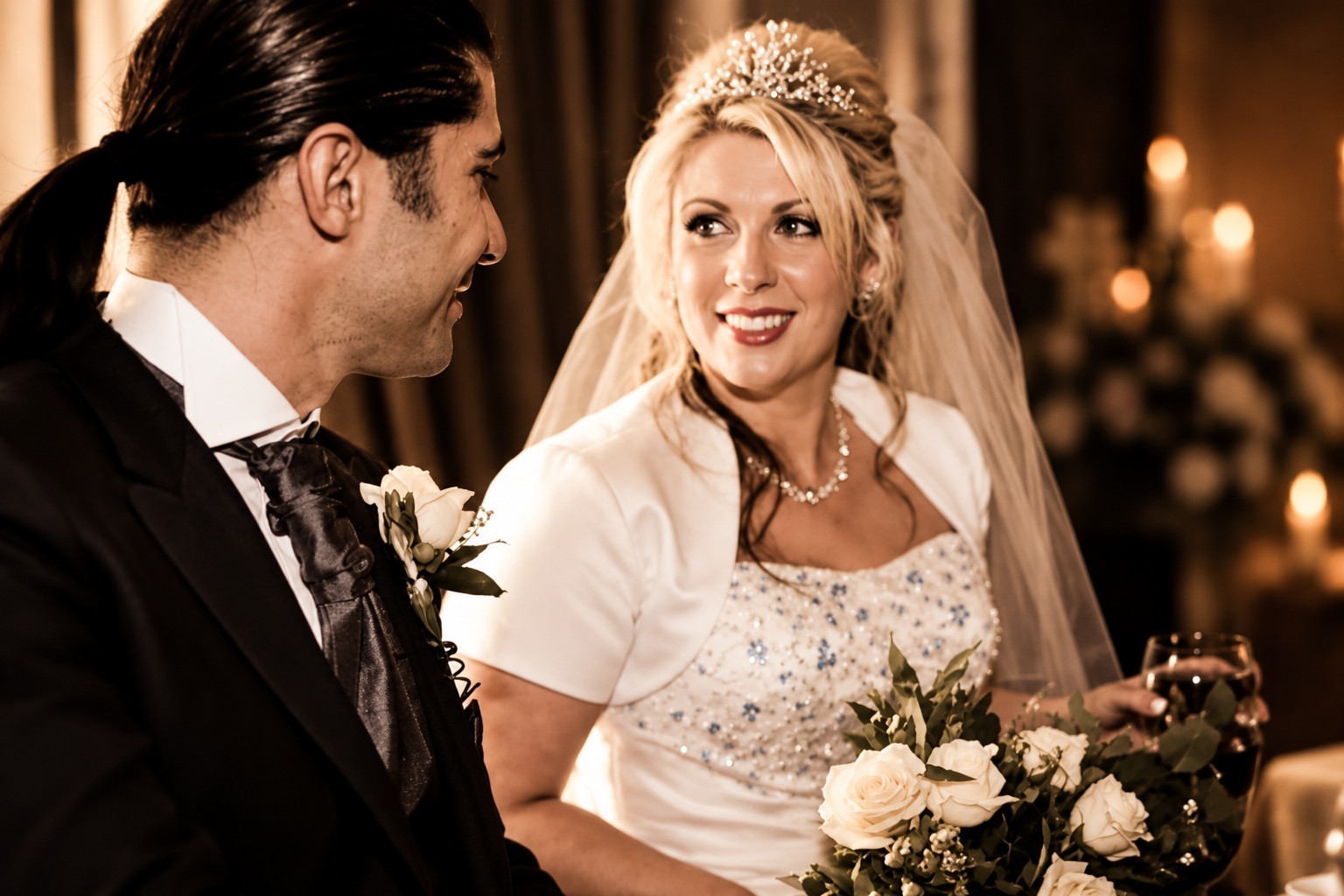
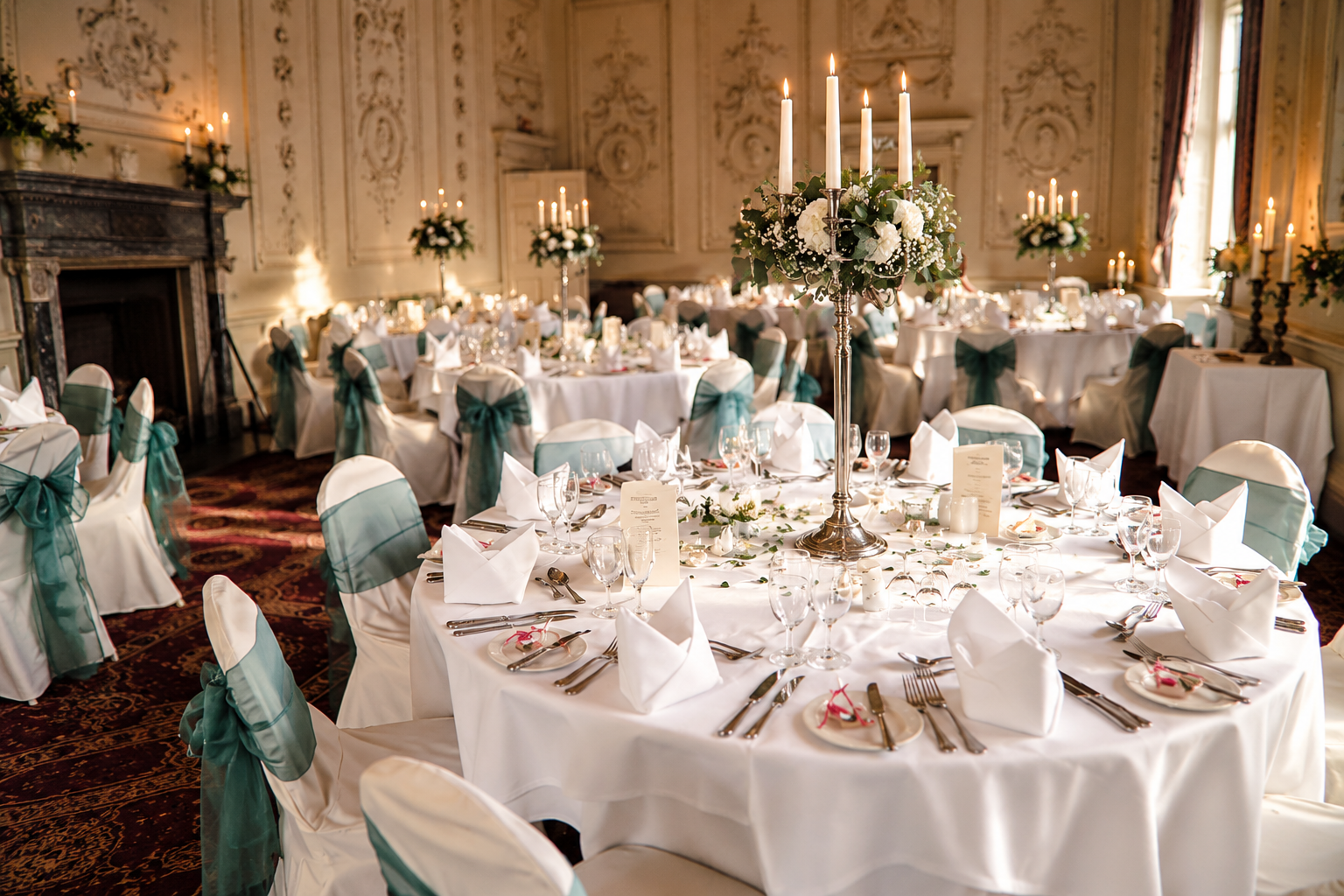
Lumley Castle gave our wedding exactly the sense of occasion I wanted. With its historic interiors, landscaped grounds and rooms that make the word “banquet” suddenly seem entirely reasonable, it offered grandeur without us having to manufacture it. The setting worked beautifully with the richness of the Persian elements we wanted to incorporate, but it also appealed to my own love of history, travel and a little theatrical excess. Understatement, it is fair to say, was not the brief.
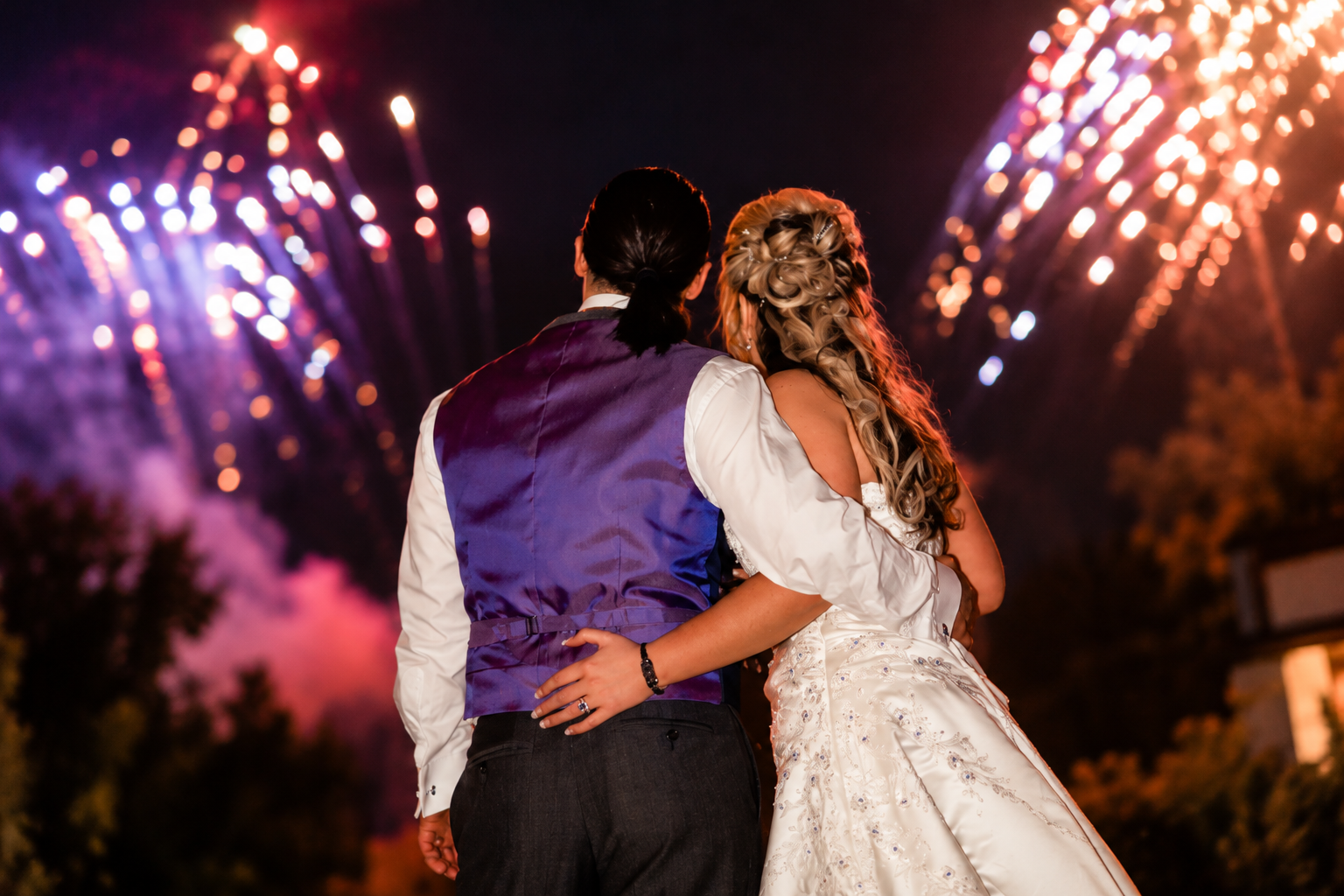
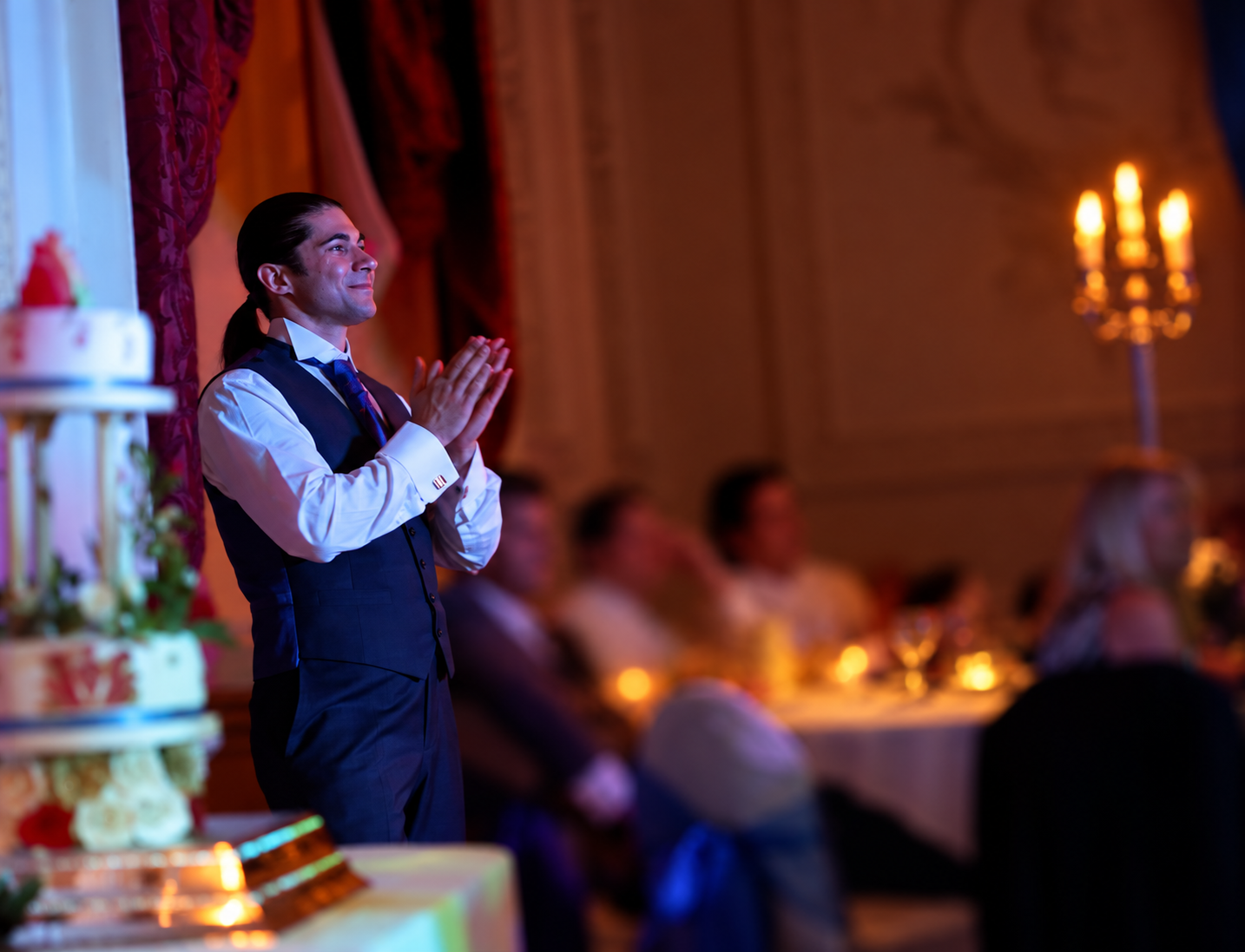
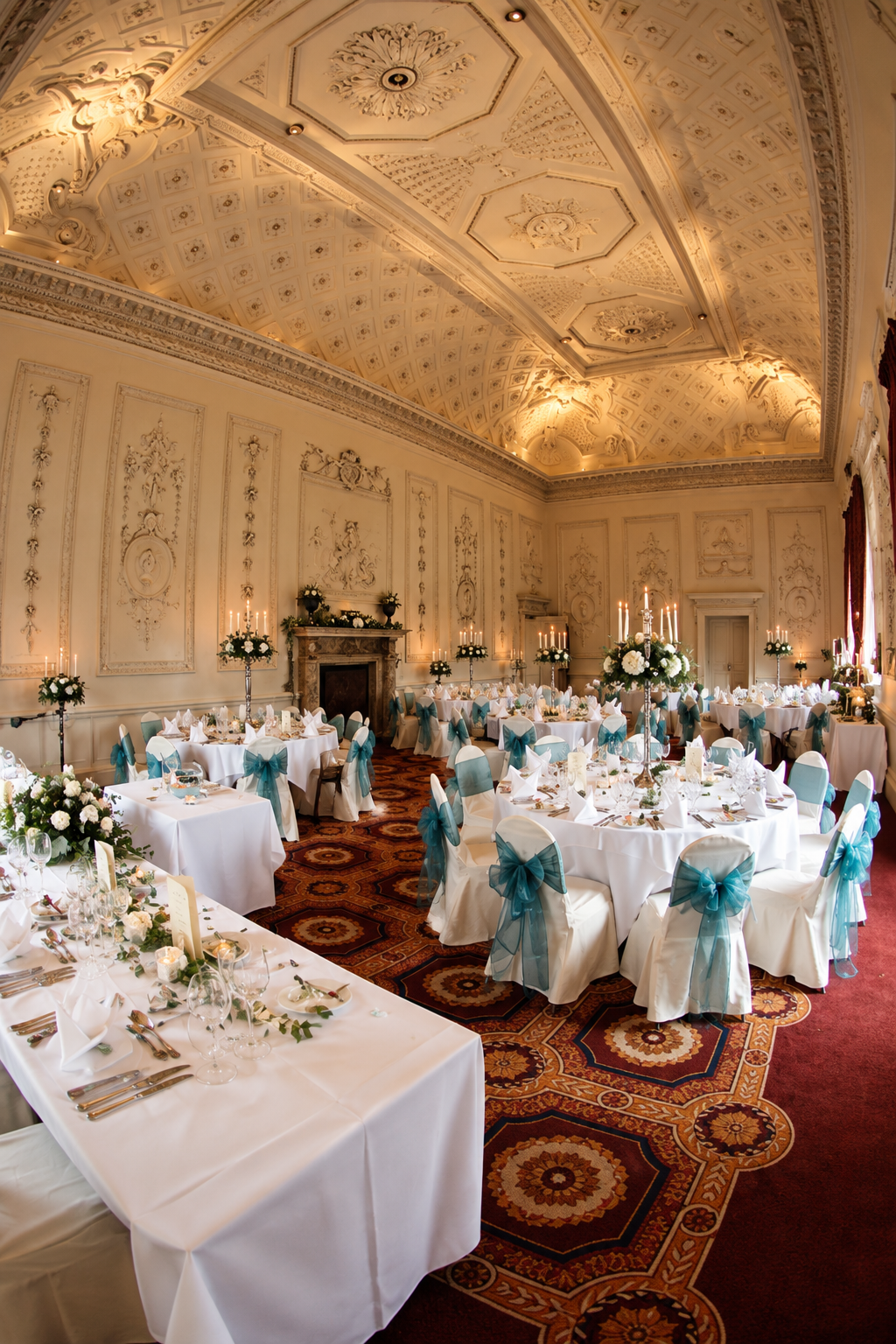
The Garter State Room particularly appealed to me. Its high ceiling and ornate interior reminded me of the buildings I had admired during childhood travels through Italy, but there was something else about it too. With candlelight, sweeping dresses and all that theatrical architecture, it had just enough Labyrinth about it to stir the girl who had watched Sarah’s ballroom scene and thought that was surely what romance ought to look like. Thankfully, there were no goblins, which would have complicated the seating plan considerably.
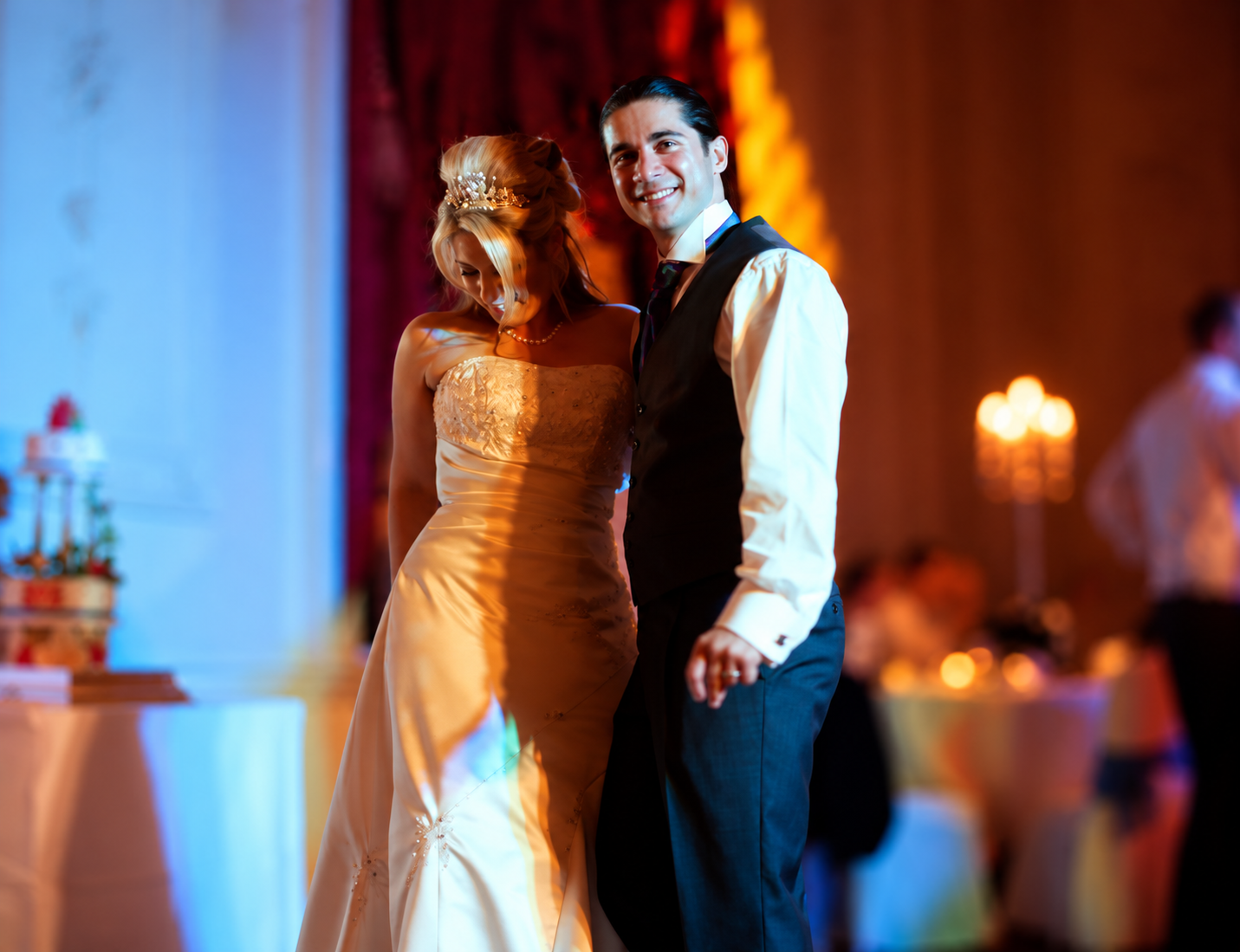
Walking into the room gave me a glimpse of the fantasy I had carried since childhood, but this time I wasn’t watching Sarah move through somebody else’s dream. I was stepping into a celebration built from our own lives and histories. The castle might have supplied the fairytale backdrop, but what we brought into it was real.
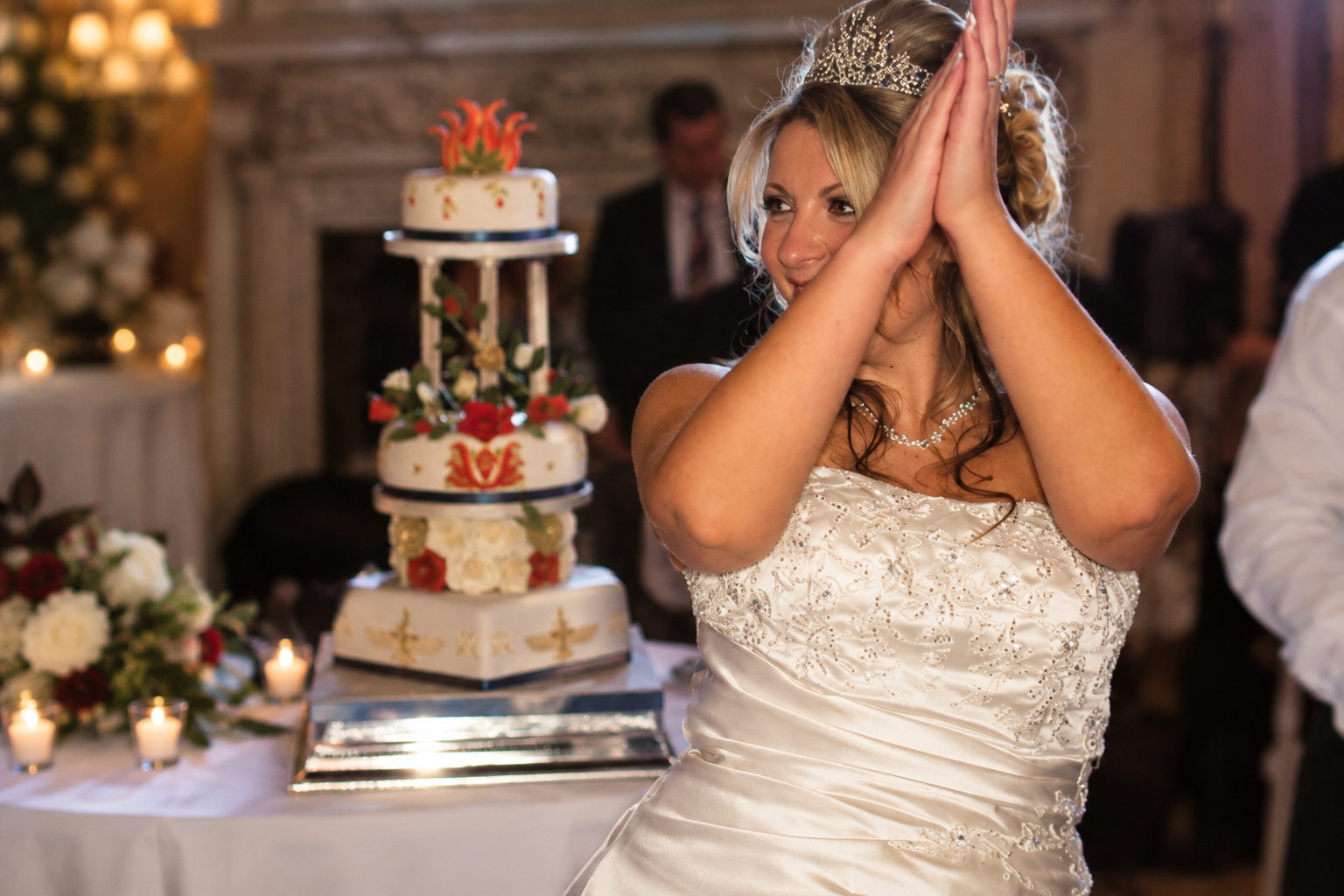
Colour played a large part in bringing those influences together. I wanted roses alongside anaar, pomegranates, with Persian blue running through the day. Pomegranates have a long history in Persian culture and appear repeatedly in Persian art, food and poetry, often carrying associations with abundance, fertility and life. They are also extravagant objects in their own right. Cut one open and those ruby-red seeds look almost indecently luxurious, which suited a wedding that was never going to embrace minimalism.
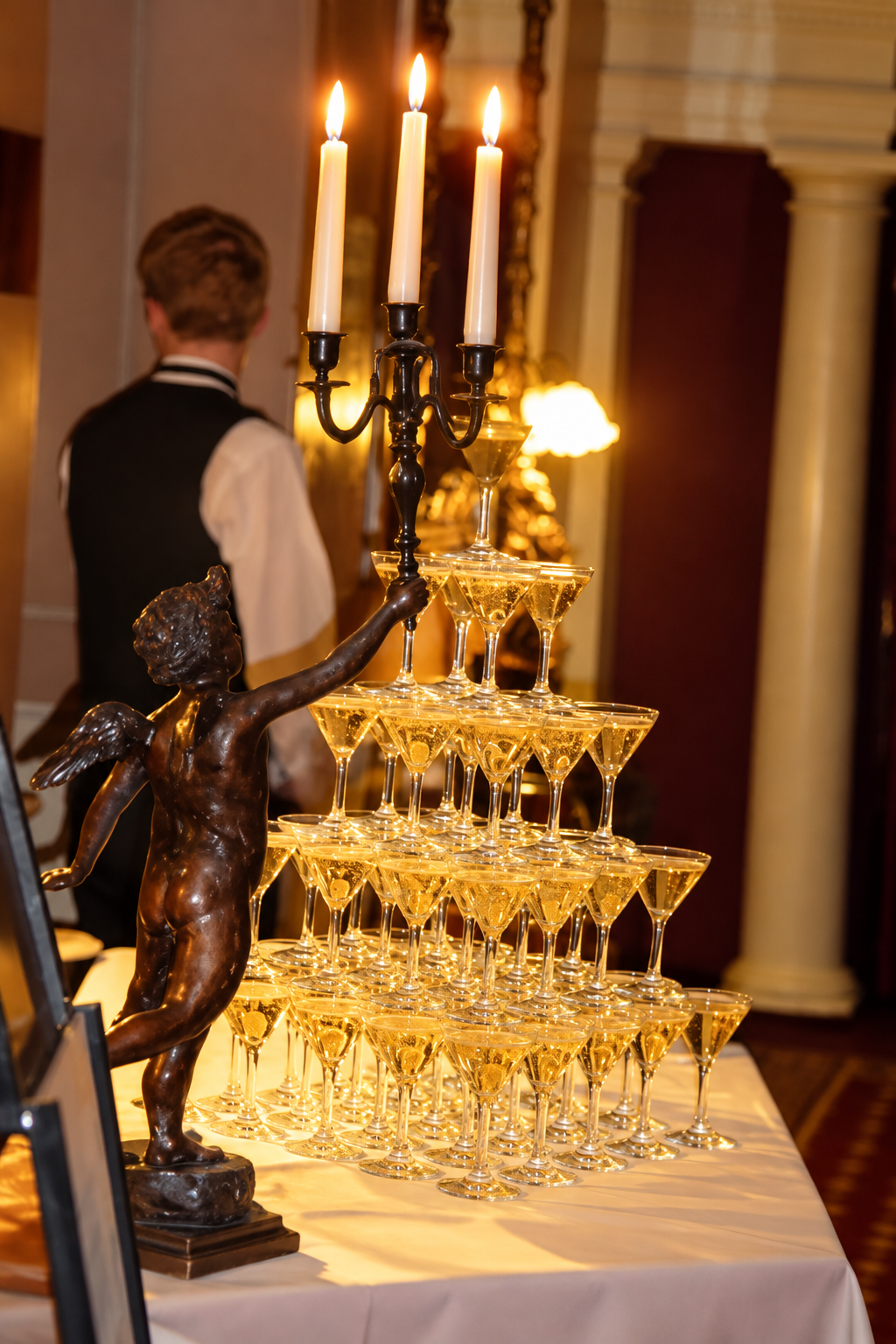
Cream and red roses softened the castle rooms, while Persian blue gave the decorations a stronger cultural identity. The colour also had a personal connection because it echoed the tanzanite in my engagement ring. I liked the idea that our colours weren’t there just because somebody had assembled an attractive wedding palette. They connected the surroundings to the jewellery I was wearing and to the Persian influences running through the day.
Our shamdoon, candlesticks and candelabras, added another layer. Candlelight suited the historic setting and brought warmth to rooms that could easily have felt imposing. Light also has an important place on the sofreh aghd, traditionally represented by candles and a mirror, so it felt natural to carry that sense of brightness through the wider celebration. Once the candles were lit against the old stone and ornate interiors, the reception took on the intimate, slightly otherworldly atmosphere I had imagined. Perhaps Sarah’s ballroom had followed me down the aisle after all.
My preparations carried Persian influences too. In the weeks before the wedding, I used saffron with yoghurt and honey as part of my skincare and continued my kiseh and sefidab routine. These small customs connected the rather commercial business of “becoming the bride” with practices that felt culturally familiar. Weddings have a remarkable ability to persuade women that they urgently need an entirely new face, body and personality before walking down the aisle. I preferred to work with the one I had.
My make-up followed the same principle. Understated bridal beige was never going to win this particular argument, so I chose Persian blue around my eyes and a dark lip. Part of that was because I loved the drama, but there was a more ordinary reason too. I have never been fond of my teeth, and most of us have a feature that suddenly becomes absurdly important when somebody produces a camera. Rather than spend the day worrying about mine, I drew attention to the features I did love and got on with enjoying myself.
The hair, however, belonged partly to Sarah. Her ballroom look had been lodged somewhere in my imagination for years, so I took that image to my hairdresser and asked for my own interpretation. It makes me smile now because the scene means something quite different to me at 50. The younger me saw a beautiful ballroom and thought romance; the older me sees a girl beginning to understand that an alluring fantasy isn’t necessarily the life she wants. I have revised my interpretation of the film considerably over the years, but I still stand by the hair.
One of the pleasures of planning the wedding was discovering how comfortably influences that should have been miles apart could sit together. Persian traditions entered an English castle, my childhood travels through Italy influenced my love of the surroundings, and a Jim Henson fantasy film helped determine my bridal hairstyle. Written down, it sounds like the sort of brief that might make a wedding planner quietly leave the room. On the day though, it made perfect sense.
That was because none of these things had been chosen just to fit a theme. They were pieces of us. H brought his Persian culture and family traditions, while I brought my North East roots, childhood influences and longstanding weakness for theatrical romance. A multicultural wedding doesn’t need every element to match neatly because multicultural families don’t work like that either. The interesting part comes from allowing different histories to occupy the same space without sanding away their differences.
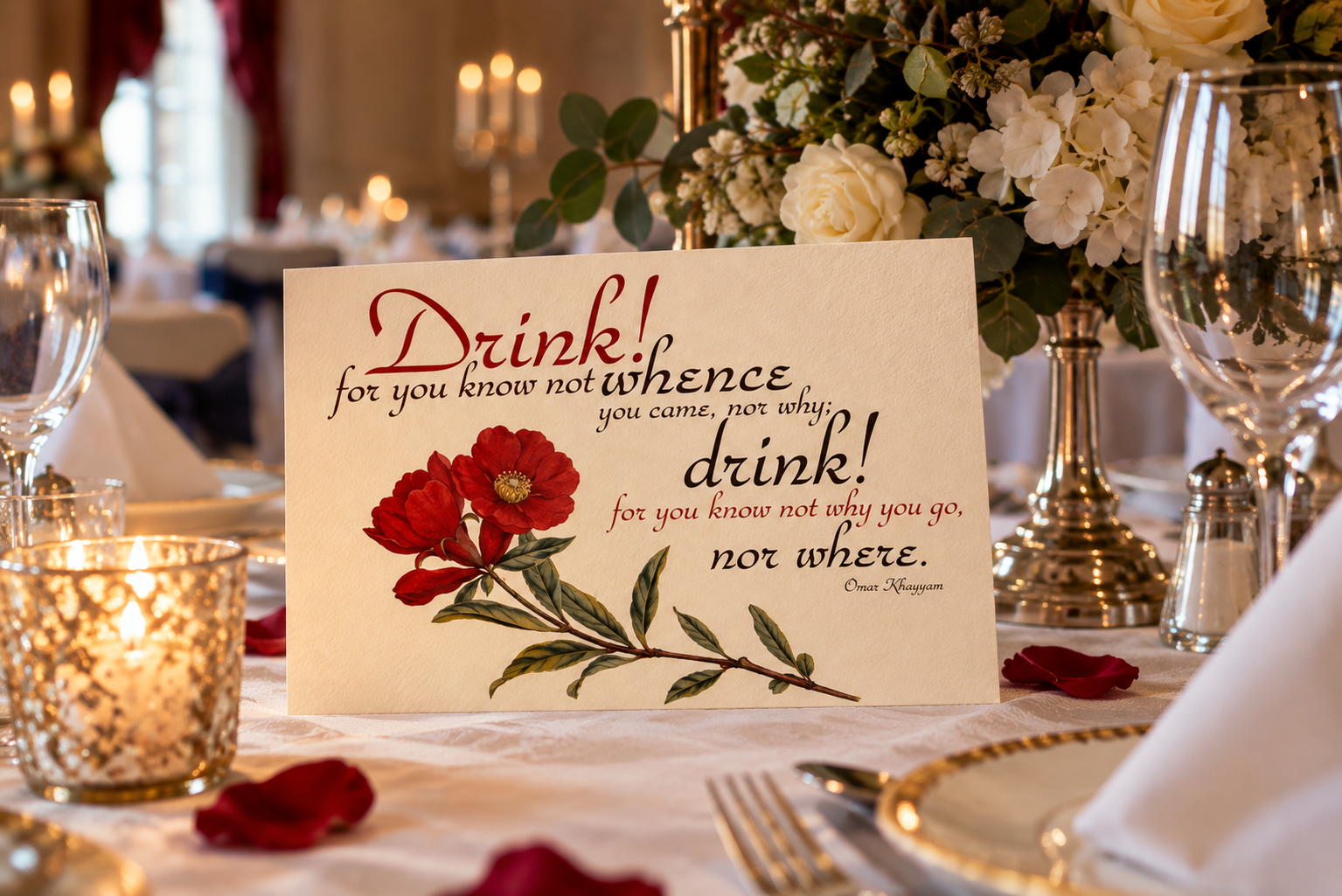
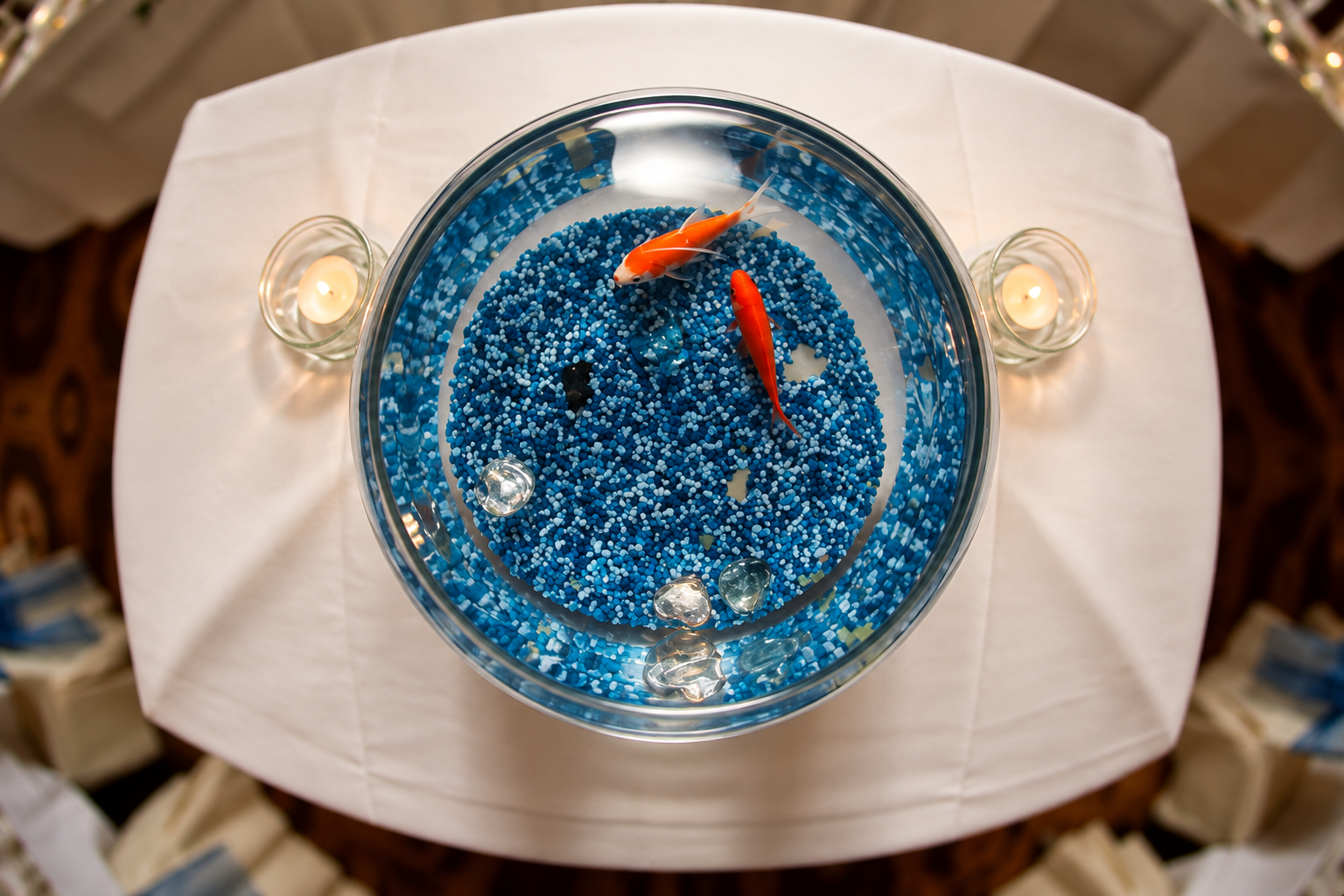
Our British guests soon discovered that this wasn’t going to be an entirely conventional castle wedding. There were goldfish, esfand and, yes, eggs were broken beneath our Rolls-Royce Phantom. Try explaining that combination to somebody while wearing a wedding dress and Sarah-from-Labyrinth hair. These weren’t random eccentricities added to make the photographs more interesting, however. They came from traditions and family practices associated with protection, luck and beginning married life surrounded by good wishes.
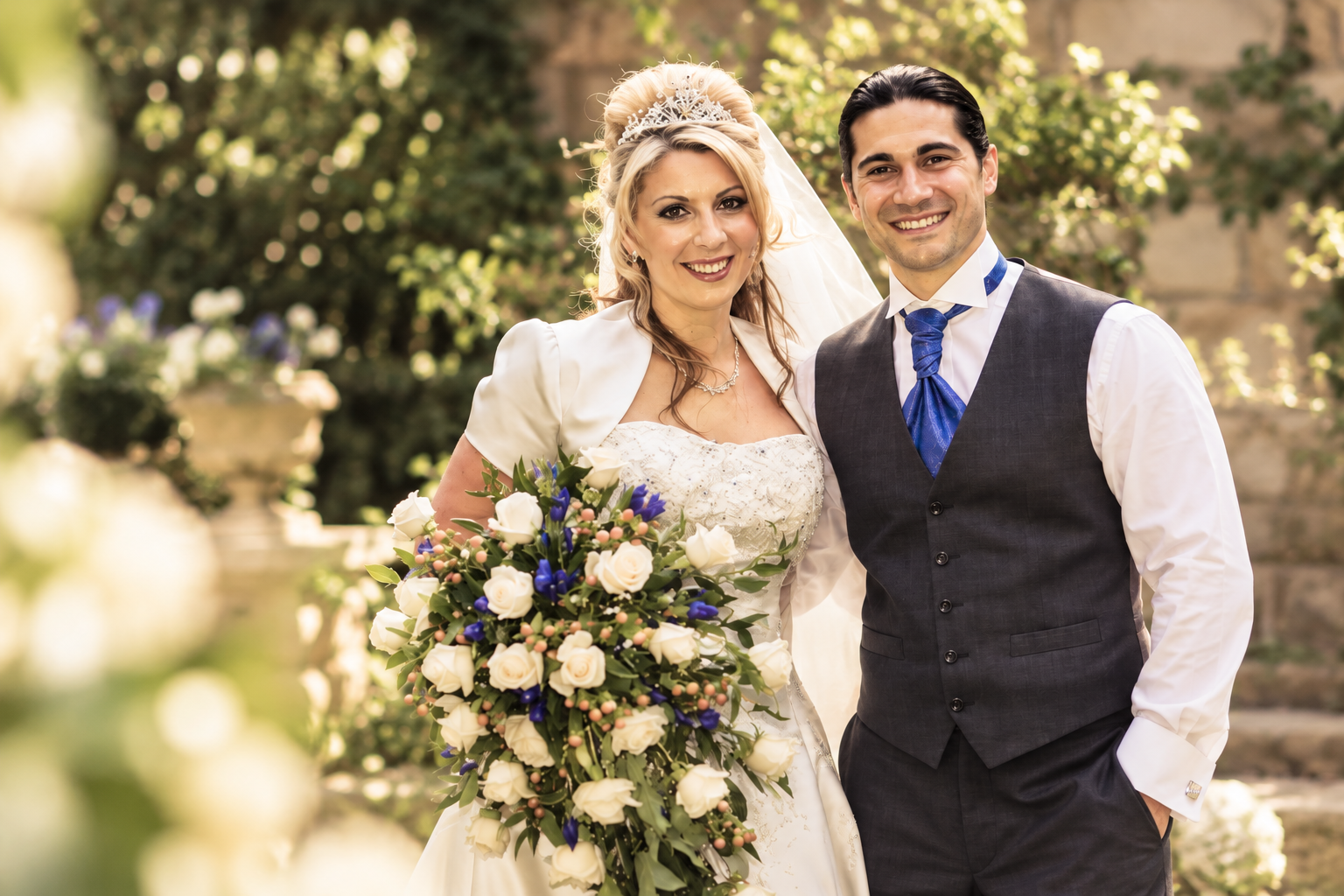
Esfand, or wild rue, is burned in Iranian tradition and is associated with protection from the evil eye. The scent is unmistakable to anyone familiar with it, and bringing it into our celebration connected the grandeur of the castle with something much more intimate from Persian family life. What I enjoyed most was seeing our British guests ask questions about customs they hadn’t encountered before. The traditions prompted conversations about why we were doing something and what it meant to us.
In that sense, our wedding became a small cultural exchange without us deliberately setting out to create one. Friends and family weren’t just looking at Persian traditions from the outside; they were experiencing them as part of a family celebration. For me, that mattered far more than whether every decorative detail was perfectly coordinated.
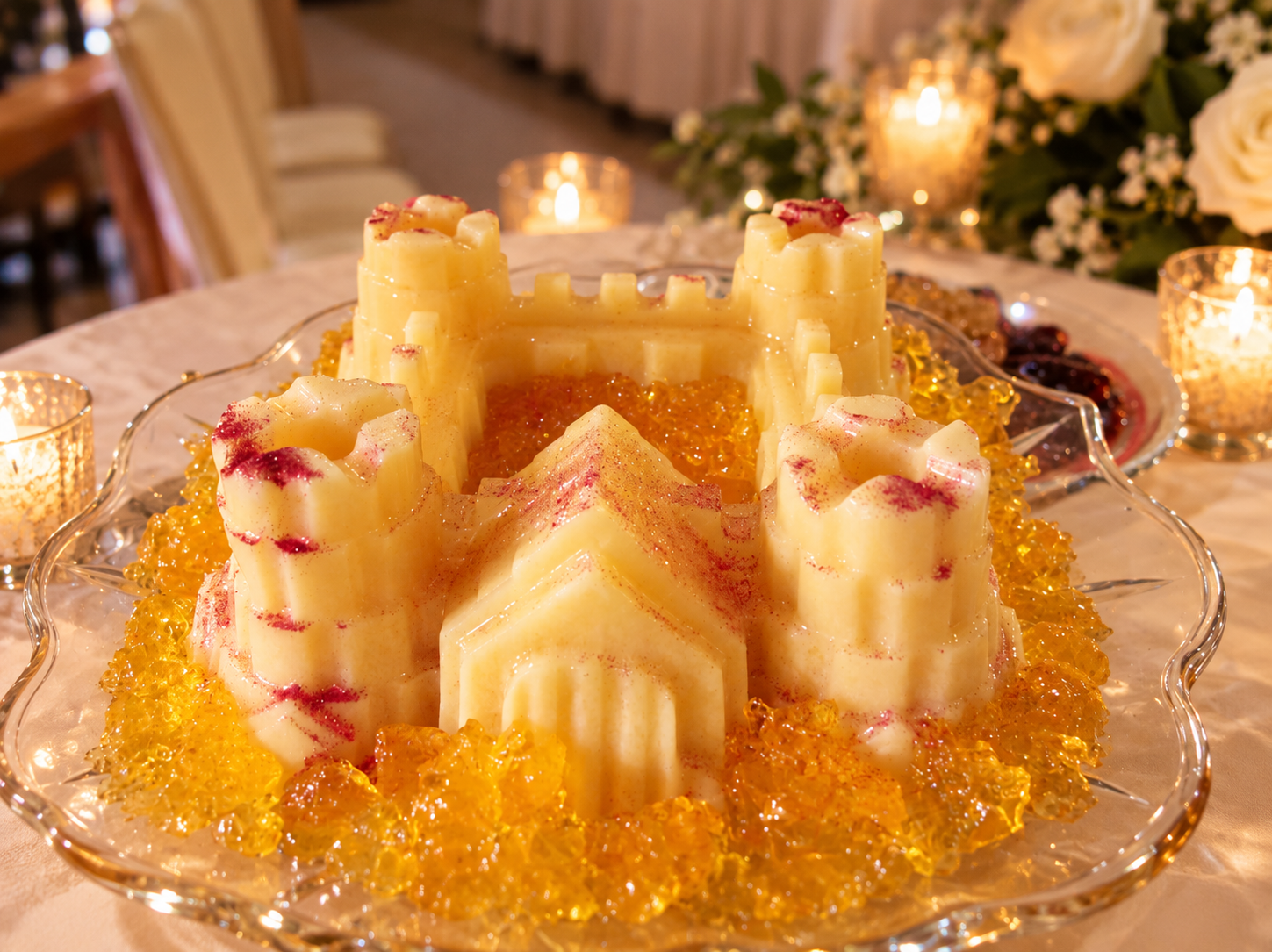
At the heart of a traditional Persian wedding ceremony is the sofreh aghd, a ceremonial spread containing objects chosen for their symbolism. Ours included gold coins, rosewater, nuts, fruit and noghl, the small sugar-coated sweets served at Persian celebrations. The display was beautiful, but what appealed to me most was that its beauty had a purpose. These weren’t objects placed on a table because they photographed well; together, they represented hopes for sweetness, prosperity and a happy life ahead.
That is one of the things I find most compelling about Persian wedding traditions. In an age when weddings can become preoccupied with whether the napkins match the flowers, the sofreh aghd brings the focus back to what the ceremony is actually about. You aren’t just decorating a room, you are surrounding two people with objects that express the hopes their families carry for their marriage.
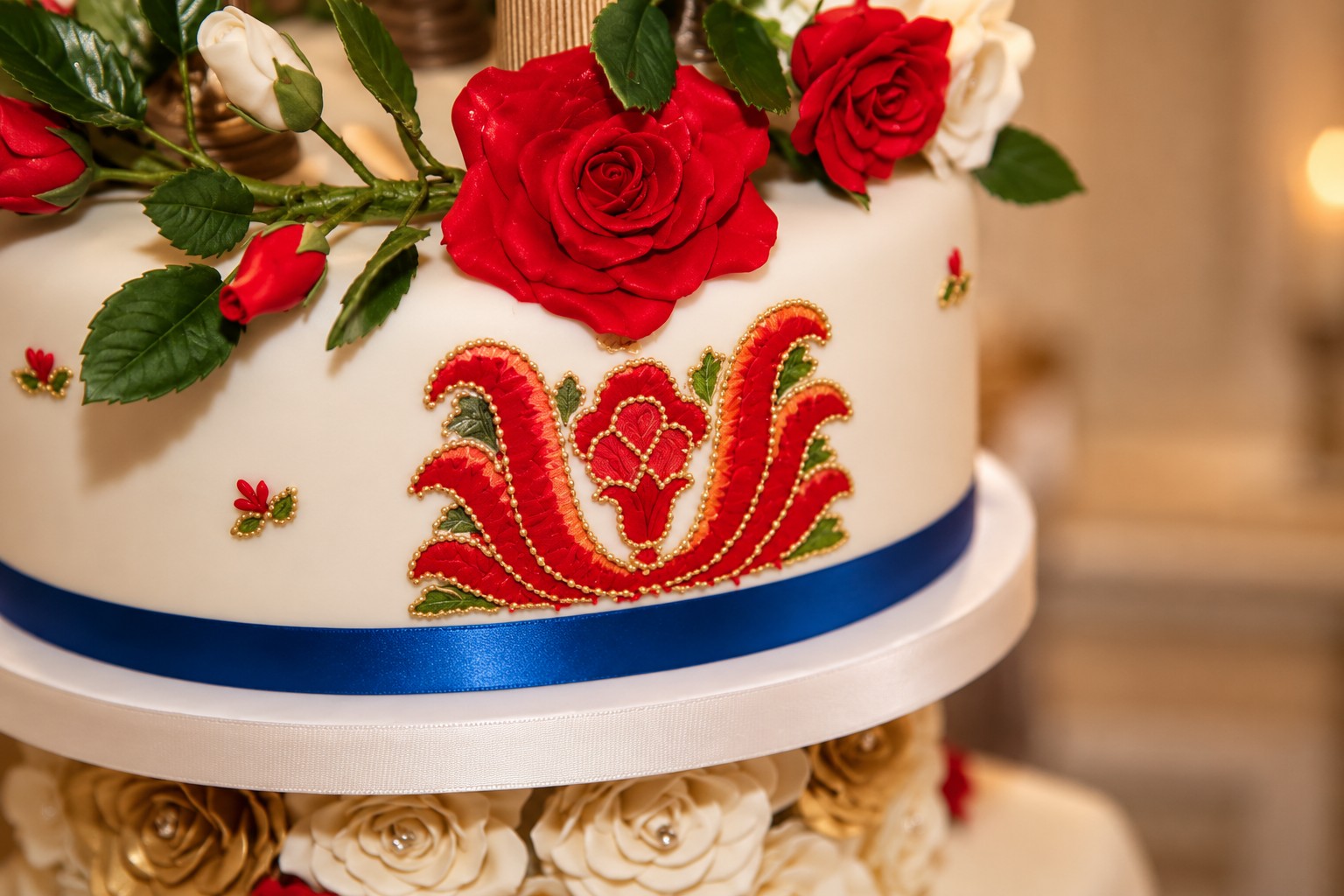
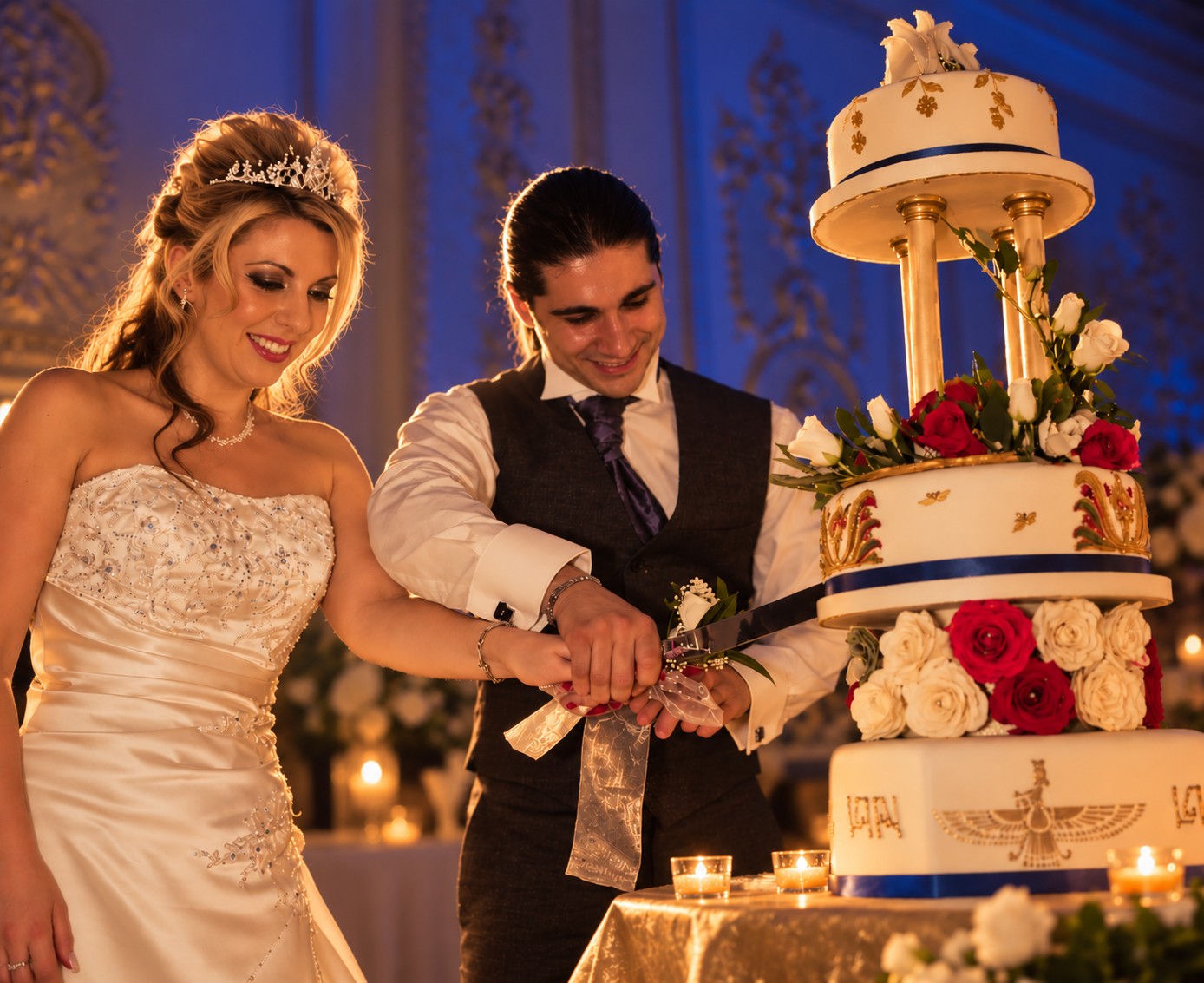
Our wedding cake continued that story with pomegranates and roses in red, white and gold, finished with Persian blue ribbon echoing my engagement ring. We also incorporated motifs that mattered to us, including the Greek key and the Faravahar. The latter is an ancient Iranian symbol associated with Zoroastrian tradition, so I would resist reducing it to a neat modern list of wedding meanings. For us, its presence connected the day to Persian heritage and history.
Even my speech crossed cultures. I included a little Farsi for our Persian guests, delivered in what can only reasonably be described as “Farsi Geordie”. Some cultural fusions are more elegant than others, but enthusiasm counts for something.
There was one sizeable logistical problem: around 200 people we loved weren’t going to hop conveniently onto flights to Britain. We therefore did what any perfectly sensible couple would do and organised celebrations in two countries within the space of a month. I use the word “sensible” generously because planning one wedding can test the admin limits of an otherwise functioning adult. Planning two begins to resemble an international project-management exercise with cake.
It was exhausting. There were lists for the lists, conversations across countries and moments when eloping to Gretna Green suddenly seemed more fitting. Yet splitting our celebrations between Britain and Iran meant neither family became an afterthought. Our UK wedding could embrace H’s Persian heritage while remaining rooted in my home in the North East, while celebrating in Iran meant family and friends who couldn’t travel to Britain could still share in our marriage.
The logistics were complicated, but the principle was straightforward. We weren’t only joining two people. We were joining families, languages, histories and places, and celebrating in both countries made that visible in a way one wedding could not.
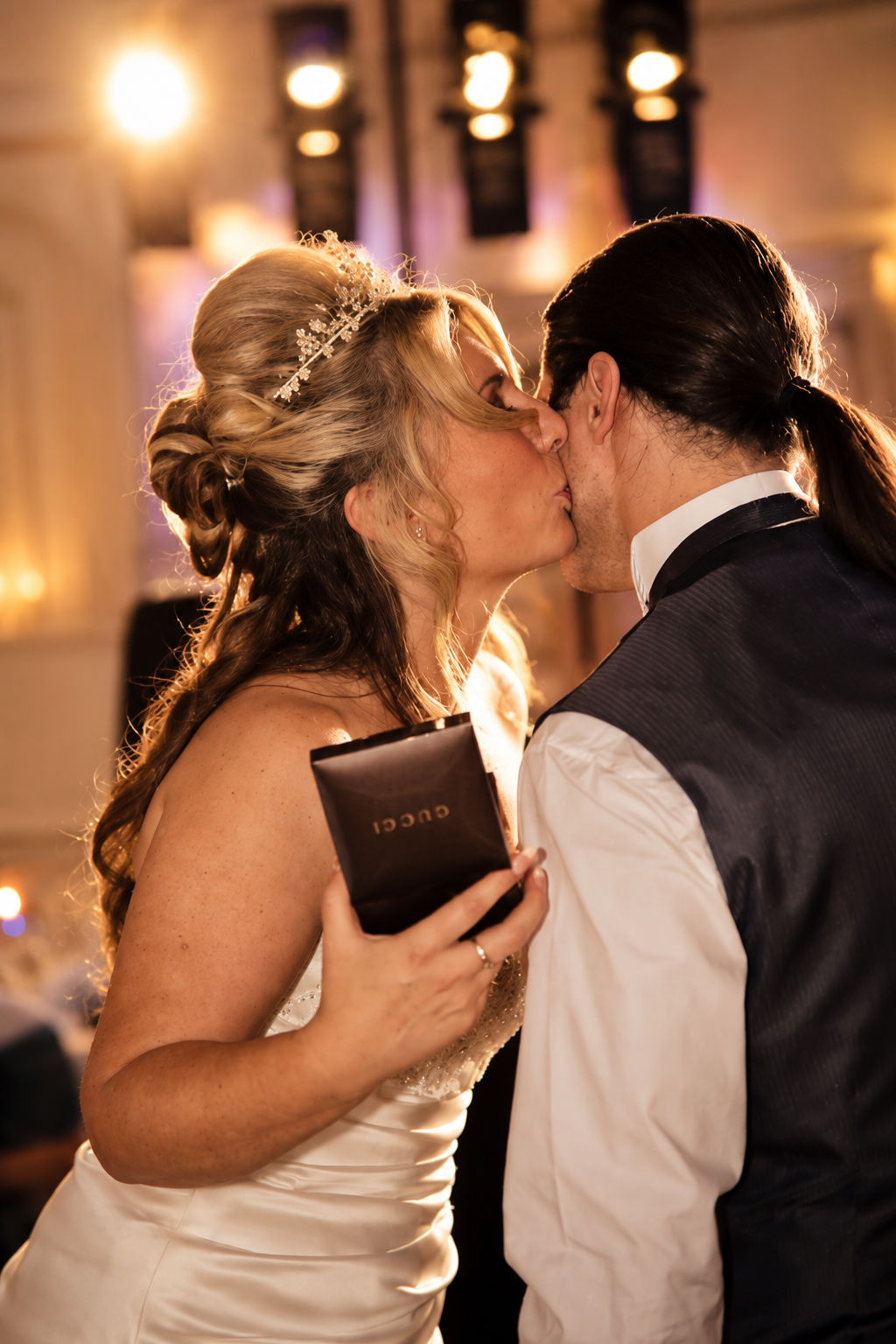
I was conscious that I didn’t want our Persian-inspired wedding to become a collection of attractive cultural props. Hospitality mattered as much as symbolism because welcoming people generously is such an important part of Persian family and social life. Guests needed to feel they were part of the celebration rather than just seated in front of it, and that influenced everything from the drinks to the atmosphere we wanted to create.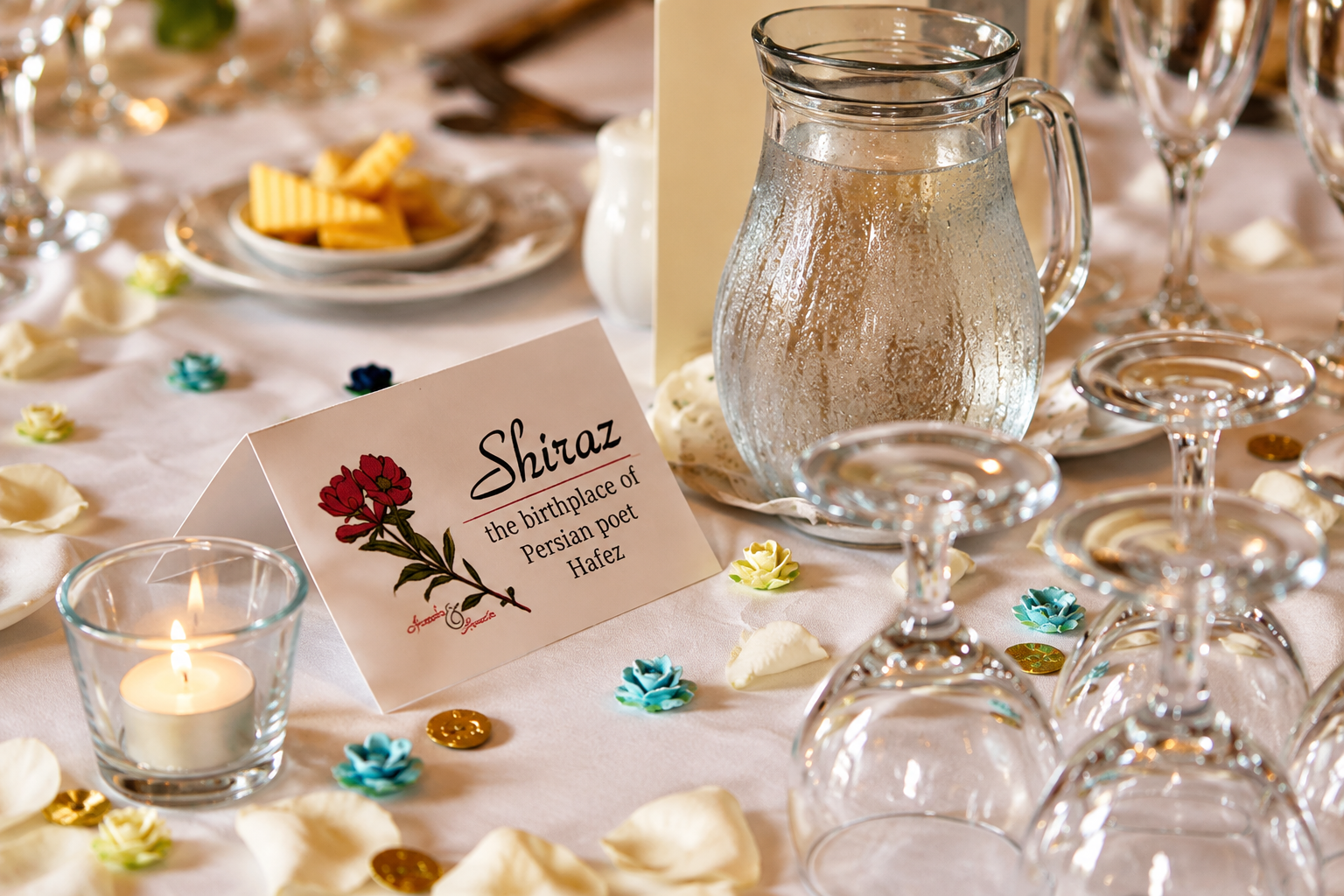
We served pomegranate juice for guests who didn’t drink alcohol, filled the rooms with flowers and candlelight and celebrated with fireworks. Our tables were named after Persian cities, giving guests another glimpse of H’s heritage. Some people understood every cultural reference, while others saw a beautiful room and enjoyed themselves. Both responses were perfectly fine.
The Persian elements weren’t there to make the photographs look more exotic. They belonged there because they belonged to the people getting married. That became more important as we planned the wedding, especially when deciding which traditions to keep, which to adapt and which ones just wouldn’t work in an old English castle.
Planning a Persian-inspired wedding in Britain takes a lot more organisation than my fairytale-loving younger self had anticipated. H and I divided jobs, called upon creative friends and worked out which details mattered enough to protect. Other ideas had to be adapted or abandoned. You begin with grand visions and eventually discover that compromise does not necessarily ruin the thing you are creating.
Technology helped us include elements from overseas, while practicalities occasionally forced traditions to bend. The useful lesson was learning the difference between adapting a detail and stripping away its meaning. Once we understood that, the wedding stopped being about recreating something perfectly and became about creating something that genuinely represented us.
Years later, I remember very few of the details that felt catastrophic during the planning. Weddings have an ability to convince otherwise rational adults that the precise position of a ribbon represents a crisis. Time is excellent at sorting the important things from the nonsense. I don’t remember whether every flower was perfect, but I remember how the room felt when our families and cultures came together inside it.
That is where Labyrinth comes back into the story. When I was young, I thought the film was romantic. I saw the mysterious man, the ballroom, the dress and the promise of another world. I didn’t yet understand that Sarah’s real journey wasn’t towards Jareth at all. It was towards herself, and towards recognising that the fantasy being offered to her came with a price.
At 50, that interpretation makes far more sense to me. Sarah spends the film moving through a world designed to confuse, distract and tempt her until she recognises her own agency. It is a rather different message from the one my younger self absorbed while staring at the ballroom and David Bowie’s cheekbones. The film stays exactly the same; we are the ones who return to it as different people.
But I don’t dismiss the younger woman who wanted Sarah’s hair, a Persian prince and a castle. She wasn’t wrong. She just thought reaching the castle was the ending because fairytales had trained many of us to believe that finding the prince was where the interesting part stopped. Nobody tells you much about what happens after the carriage pulls away, presumably because mortgages, parenthood and whose turn it is to empty the dishwasher are harder to animate.
Our wedding wasn’t perfect. There were compromises, logistical headaches and two countries’ worth of planning, but I remember Persian traditions sitting comfortably inside an English castle and I remember roses, pomegranates and candlelight, family and fireworks, and my questionable Farsi-Geordie. Most of all, I remember walking into that room and having, for a few hours, something close to the ballroom I had imagined since I was a girl.
What I understand now is that finding my Persian prince wasn’t the end of the fairytale. It was where another, much more interesting story began. Marriage, motherhood, getting older, changing, losing parts of myself and finding new ones have all happened since that day. Real life after the castle bears little resemblance to the neat endings I absorbed as a girl, but I wouldn’t trade its complexity for the tidy version.
That is why Labyrinth means more to me at 50 than it did when I first watched it. Life isn’t about finding the perfect route through the maze, and it certainly isn’t about waiting for somebody else to rescue you from it. Sometimes you take the wrong turn or you reach the place you were certain was the destination and discover another journey waiting on the other side. Sometimes the person who eventually leads you out of the maze is you.
I am still rather pleased that, for one day, I got Sarah’s hair, a Persian prince and a castle. There is nothing wrong with enjoying the fairytale once you understand that the wedding isn’t where the story ends. It is just where another one begins, preferably with fewer goblins.
Occasional stories, experiments, discoveries and questions from Saffron & Cyrus.
This site uses Akismet to reduce spam. Learn how your comment data is processed.
Discover more from Saffron & Cyrus
Subscribe to get the latest posts sent to your email.

Saffron & Cyrus is an independent women’s editorial publication with a recognisable voice, real-life perspective, a defined midlife audience and a commercial model built around useful, relevant partnerships.

Leave a Reply