
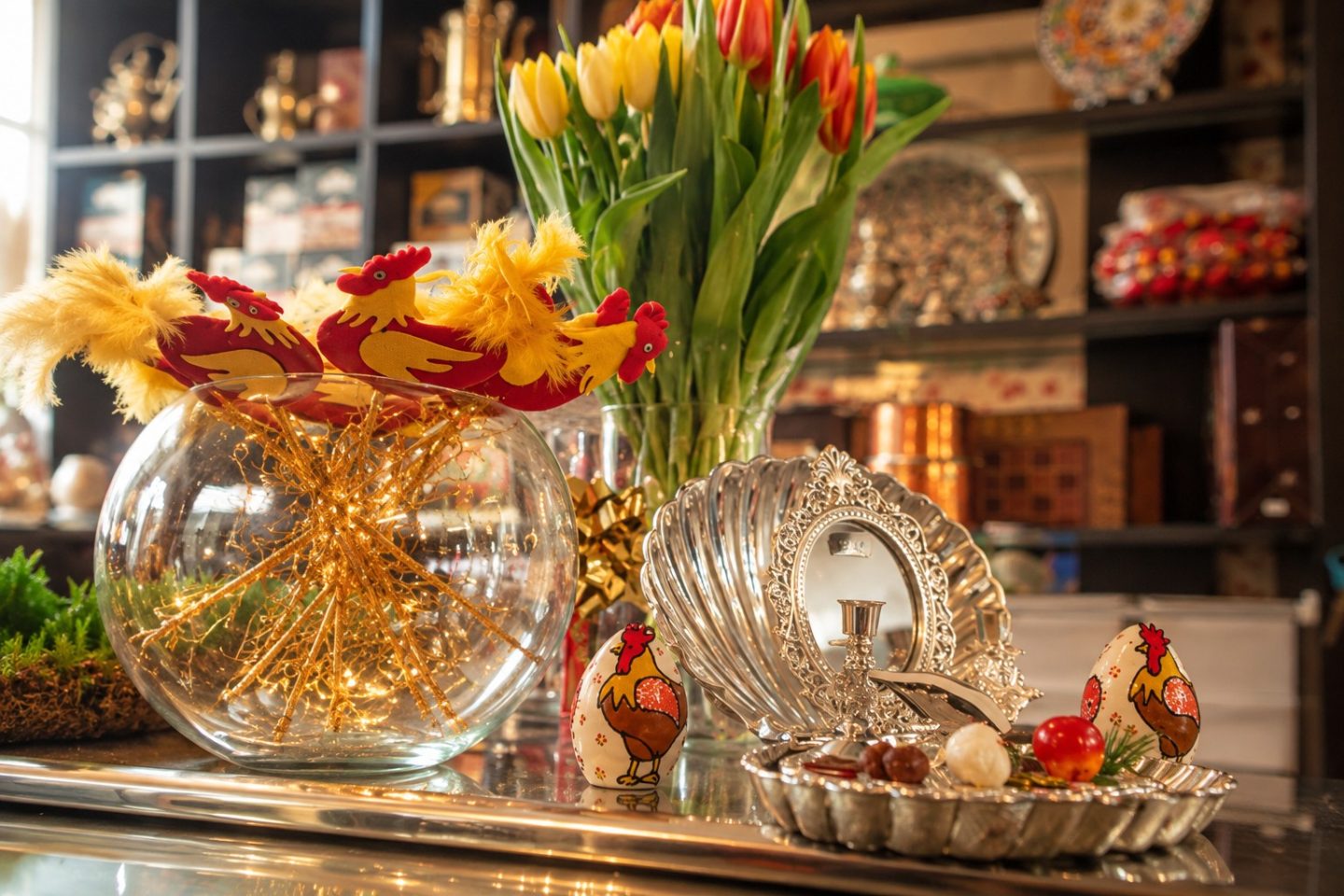
There is something wonderful about celebrating New Year in March. While the rest of Britain is recovering from Christmas, contemplating abandoned resolutions and wondering whether the heating can finally go off, Persian families are preparing to welcome another new beginning.
For my husband, H, Nowruz is part of the fabric of childhood. For me, an English woman who grew up in the North East, it is a tradition I have come to know through marriage, family and occasional confusion over what exactly we are supposed to be doing with a bowl of sprouting lentils.
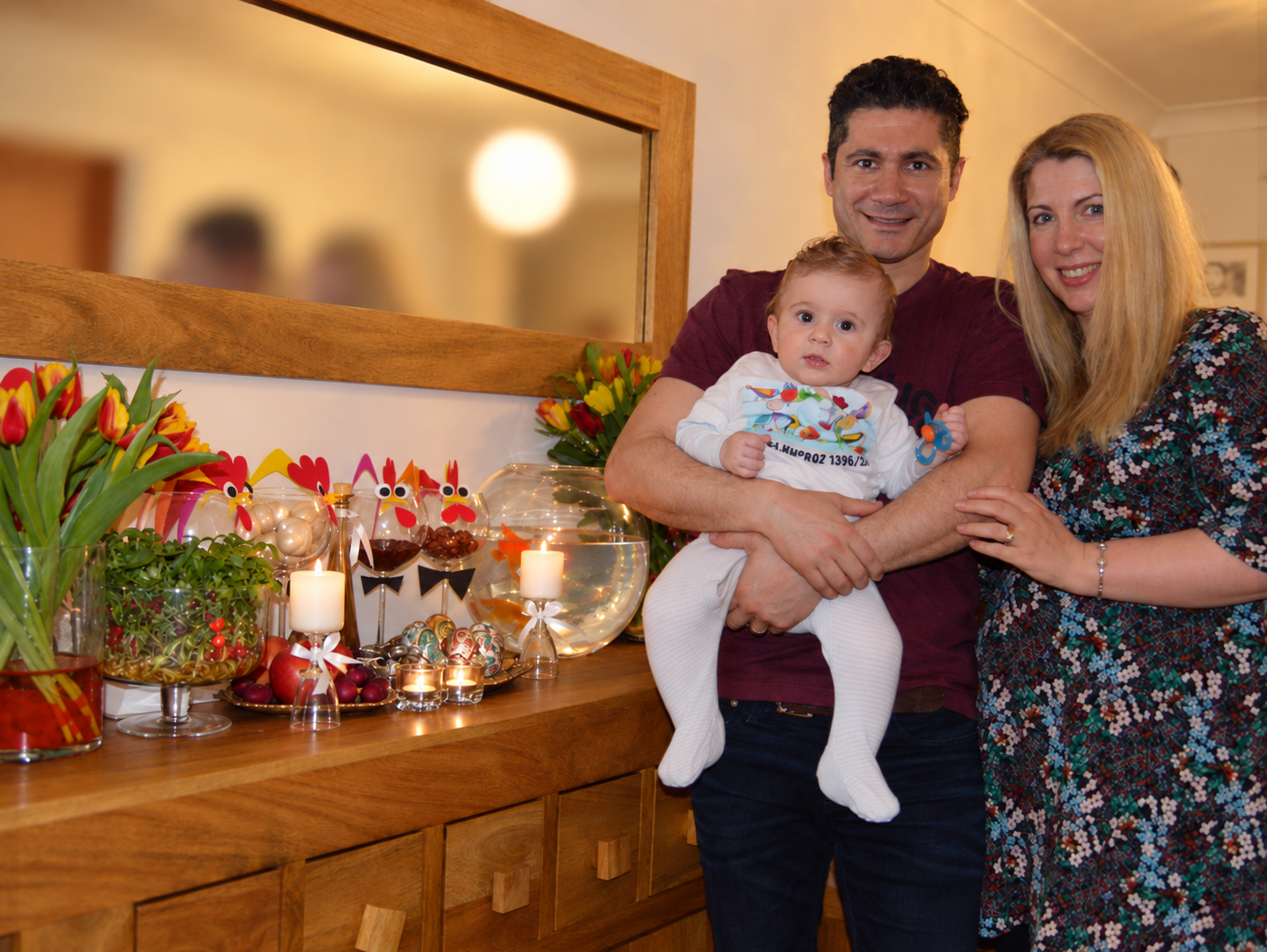
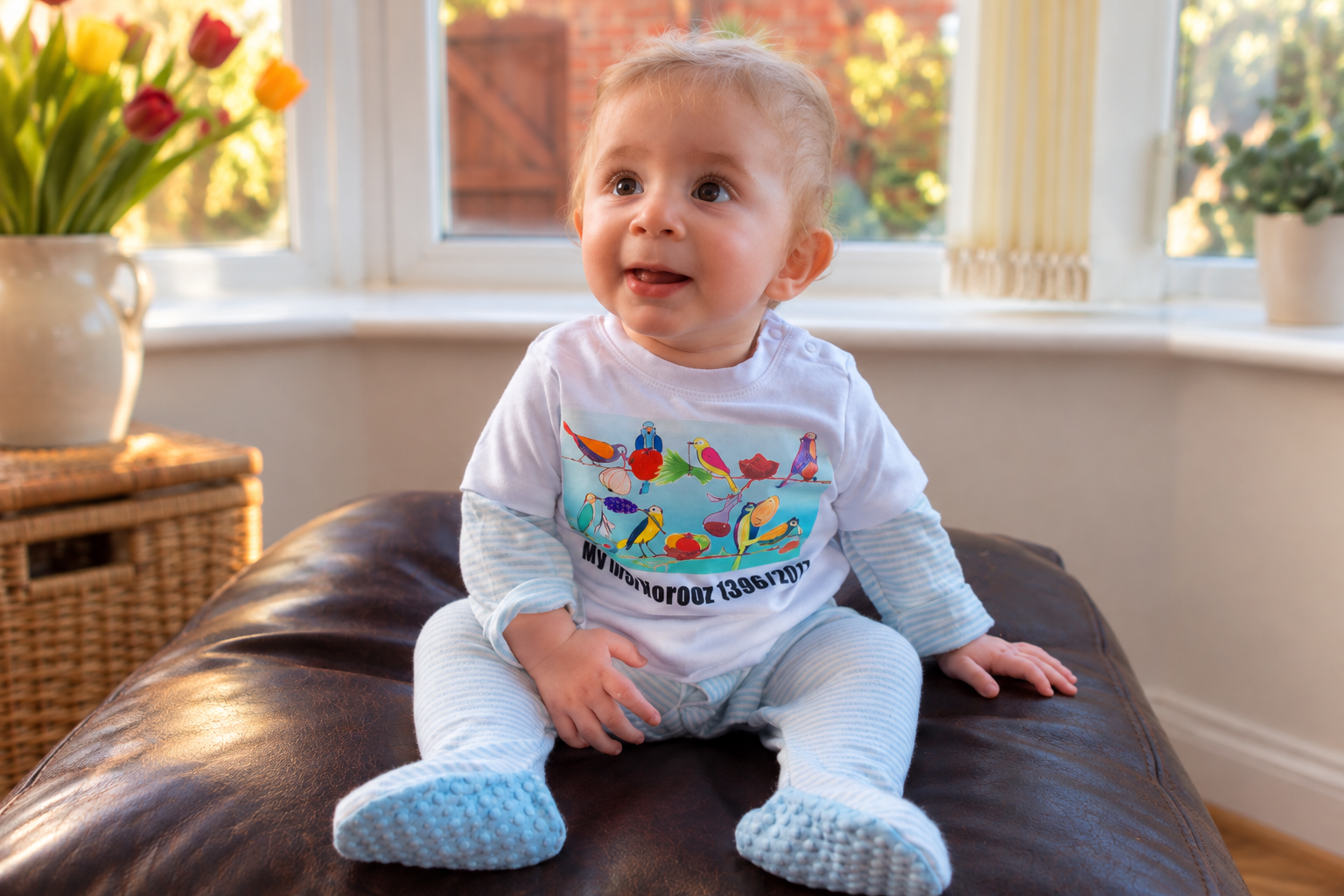
This Nowruz is different. We have a new addition to the family, our baby boy, Cyrus, and although he is far too young to appreciate the significance of Persian New Year, I find myself looking at the celebrations through his eyes. Or, more accurately, through the eyes of a sleep-deprived mum who is trying to embrace another culture while keeping a small human fed and content.
Our home is a mixture of two worlds, the familiar signs of a British spring, daffodils appearing in gardens and the optimistic glimpse of sunshine. Indoors, however, the preparations are distinctly Persian, with fragrant herbs, rice, sweet treats and a table covered in objects that each have a story to tell.
And somewhere between the cooking and the demands of life with a baby, I begin to understand why Nowruz means so much.
For H, these celebrations connect him to the Iran of his childhood. For Cyrus, they will link the country where he is growing up with the culture and traditions of his father’s family.
Unlike the British New Year, which arrives at midnight on 1 January regardless of whether anyone feels ready for it, Nowruz follows the natural calendar. It begins at the spring equinox, when day and night are approximately equal in length and the Northern Hemisphere welcomes the astronomical start of spring.
Nowruz, meaning ‘new day’, has been celebrated for thousands of years and has roots in ancient Persian traditions. Today, it is observed in Iran and across several countries and communities in Central Asia, the Caucasus and beyond.
I rather like the idea of allowing nature to decide when the year begins. January has never struck me as an especially encouraging time for personal reinvention. It is dark, cold and involves returning to work after eating one’s body weight in chocolate.
March, on the other hand, feels different. The days grow longer, the garden begins to wake up and there is a sense that something is changing, even if the North East weather remains miserable most of the time.
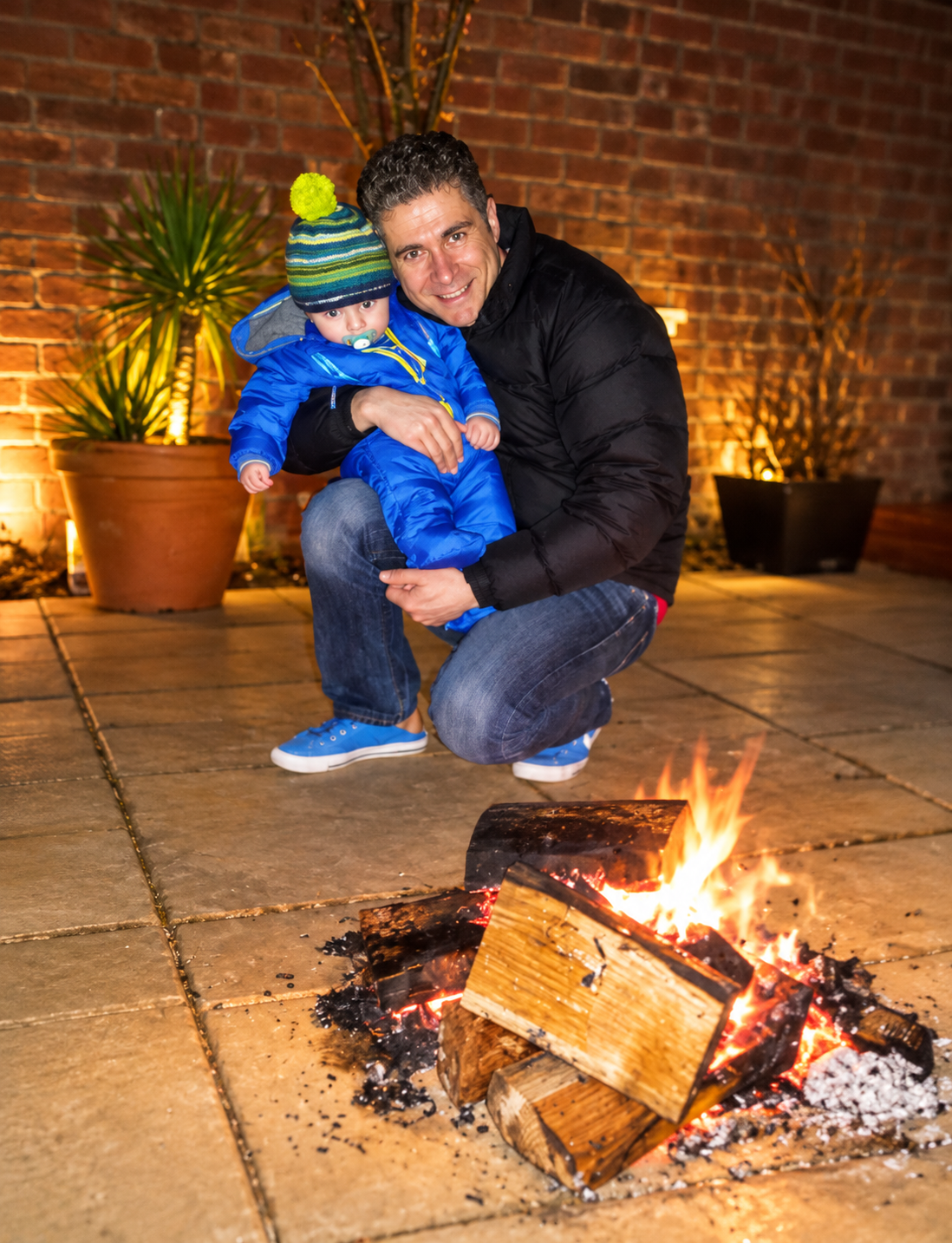
Before Nowruz arrives, there is another tradition that sounds rather alarming to anyone unfamiliar with it. Chaharshanbe Suri, the Persian fire festival, is celebrated on the eve of the last Wednesday before the New Year.
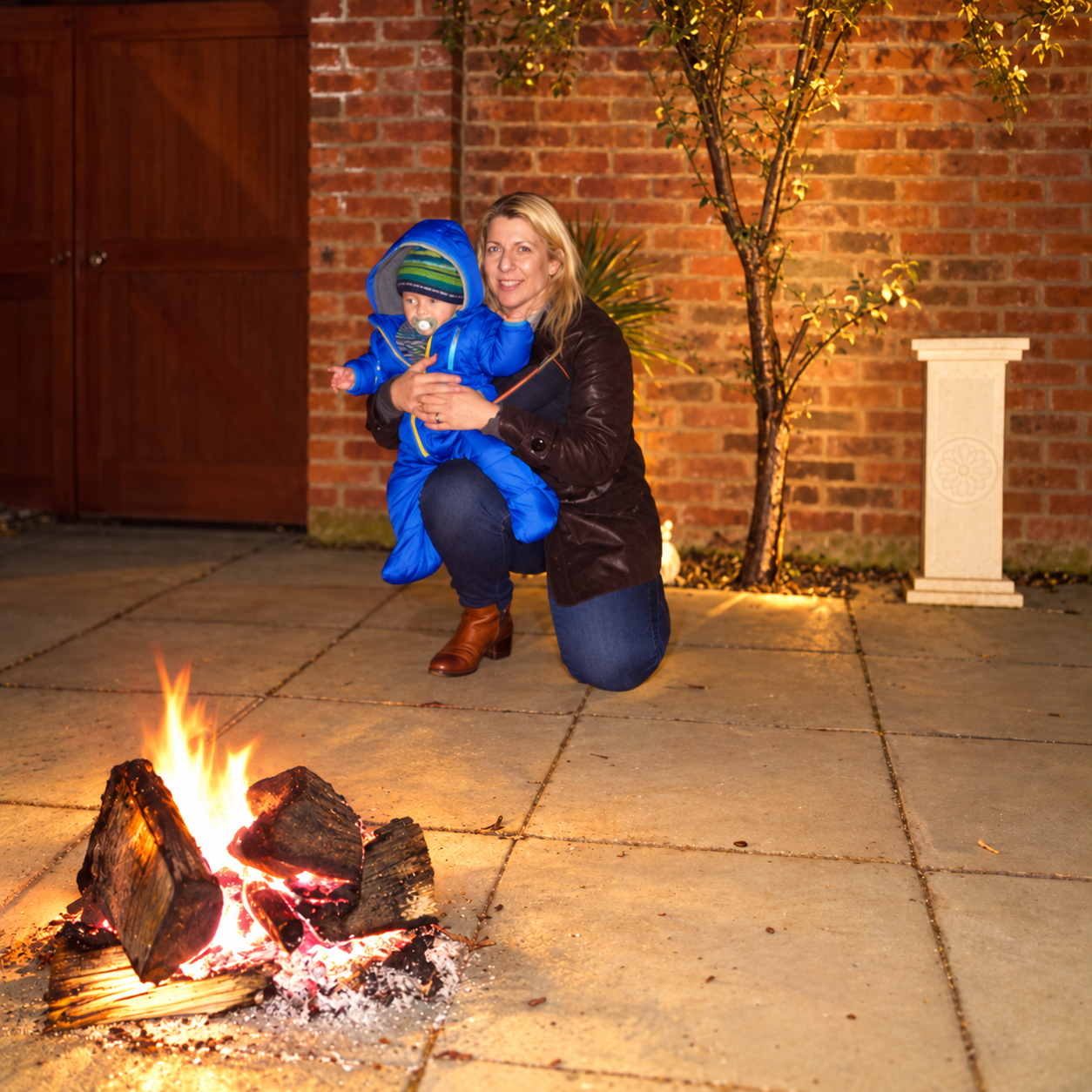
In Iran, families and communities traditionally gather around small bonfires, with people jumping over the flames while reciting words that symbolically exchange illness and weakness for the fire’s warmth and vitality.
I can see why children would find it exciting, although my British maternal instincts are already contemplating a risk assessment. We spend years teaching children not to go near fire, only for an ancient Persian celebration to introduce an entirely different perspective.
There is, however, something rather touching about the meaning behind it. The fire represents an opportunity to leave behind the difficulties of the previous year and welcome better health and happiness.
As H explains the tradition, I imagine him as a little boy in Iran, surrounded by family, laughter and the excitement of the approaching New Year. These are memories I cannot share with him, but they are stories I want Cyrus to grow up hearing.
After all, passing on a culture is about more than teaching a child a second language. It is about giving them a connection to people, places and experiences they may never have known themselves.
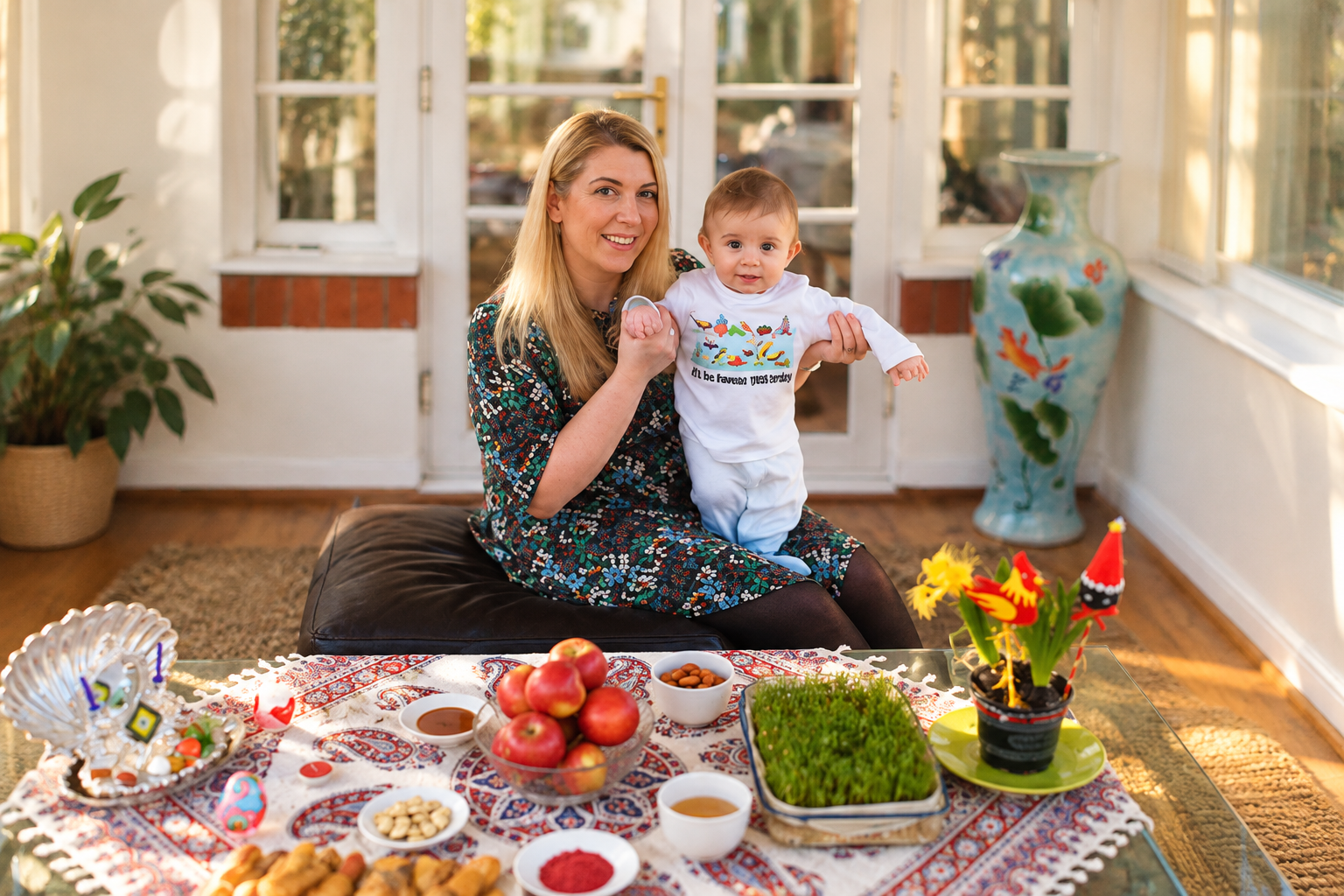
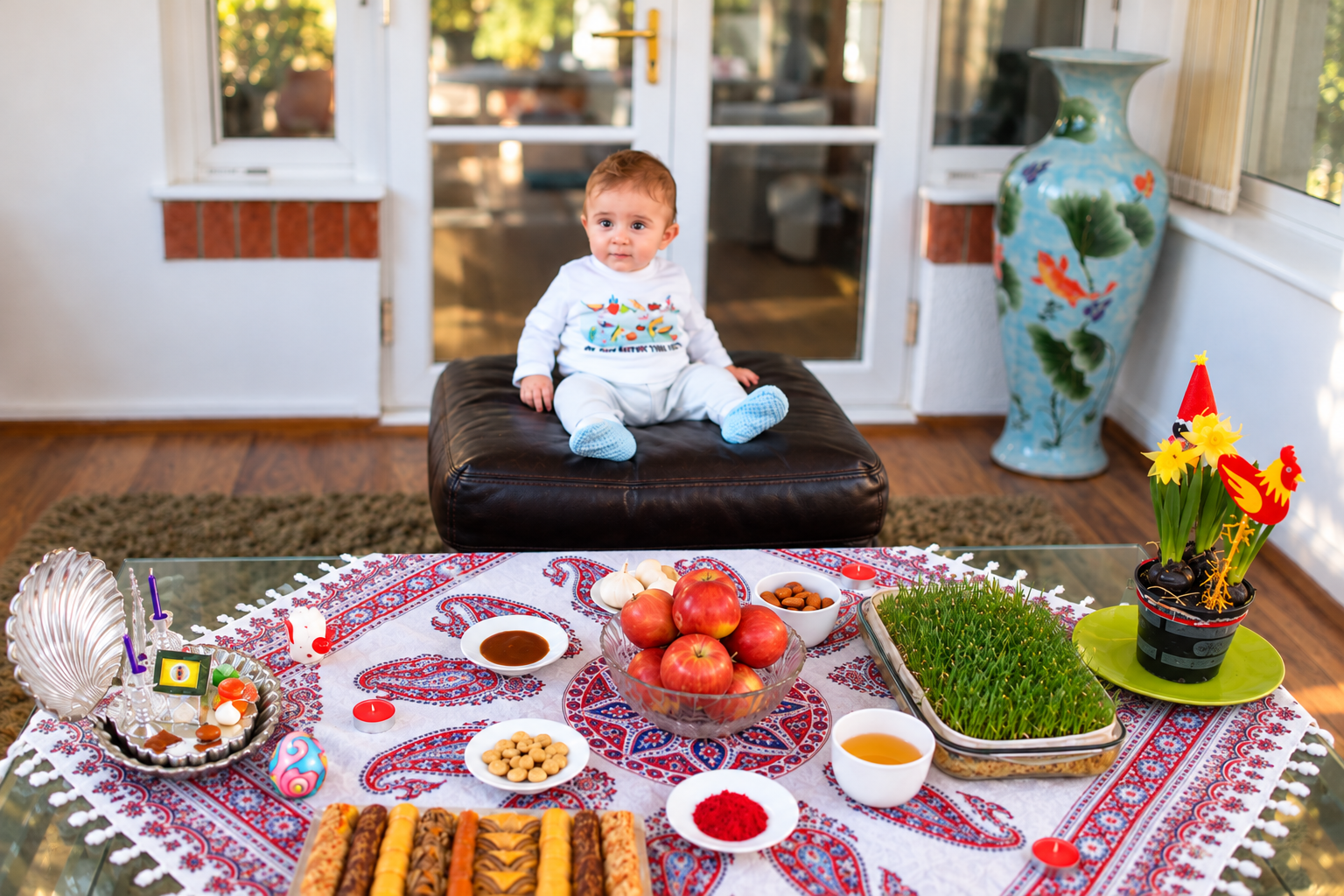
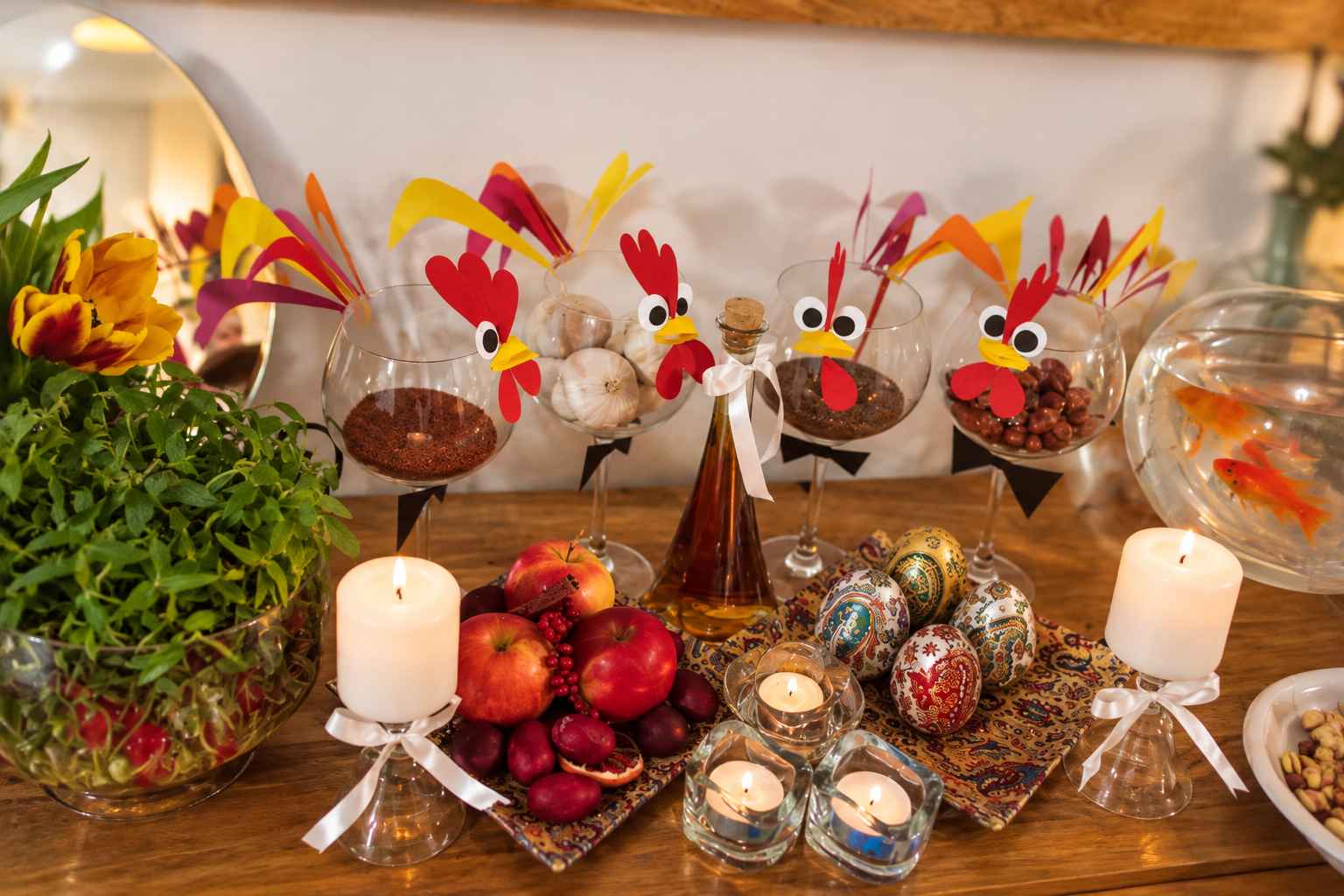
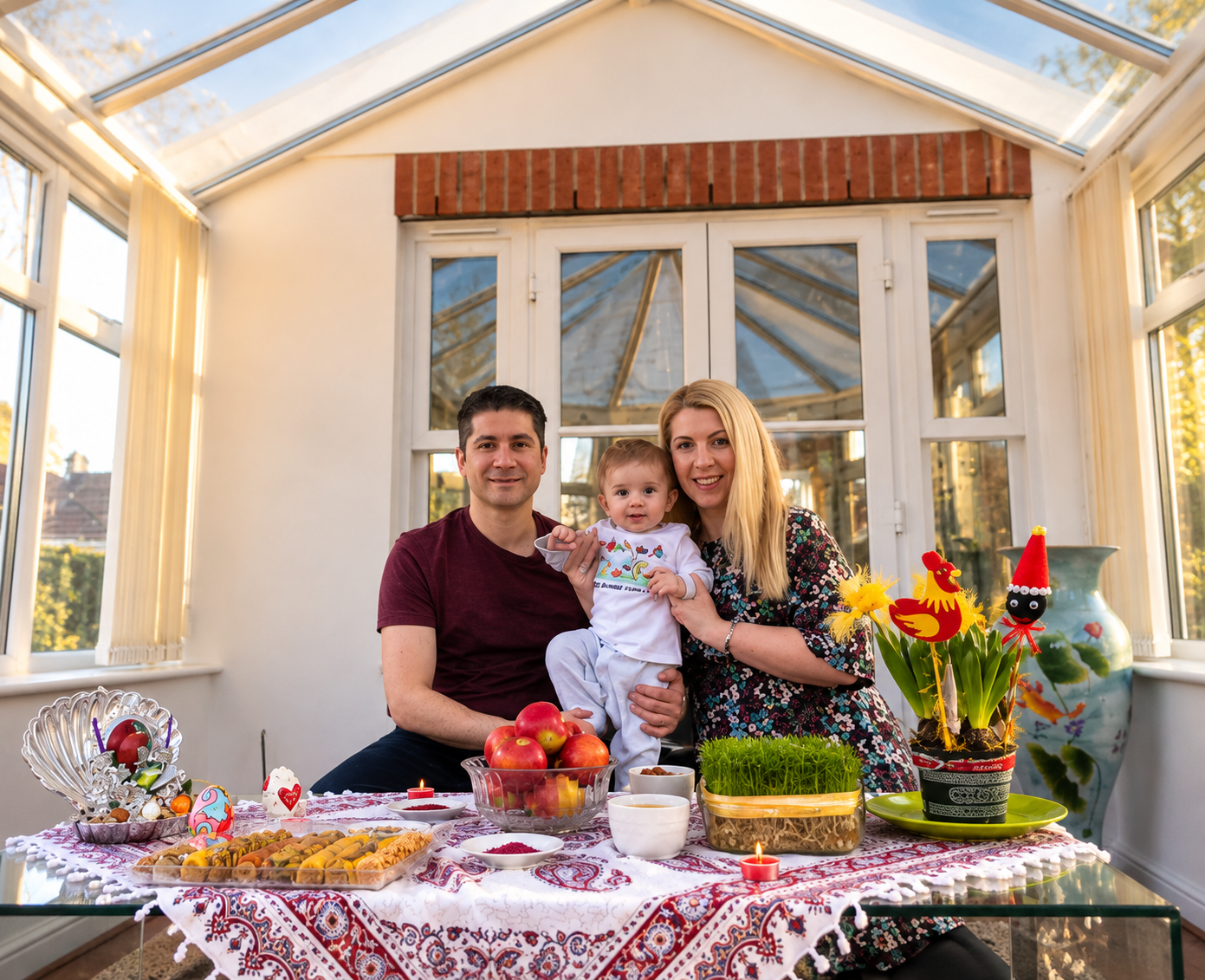
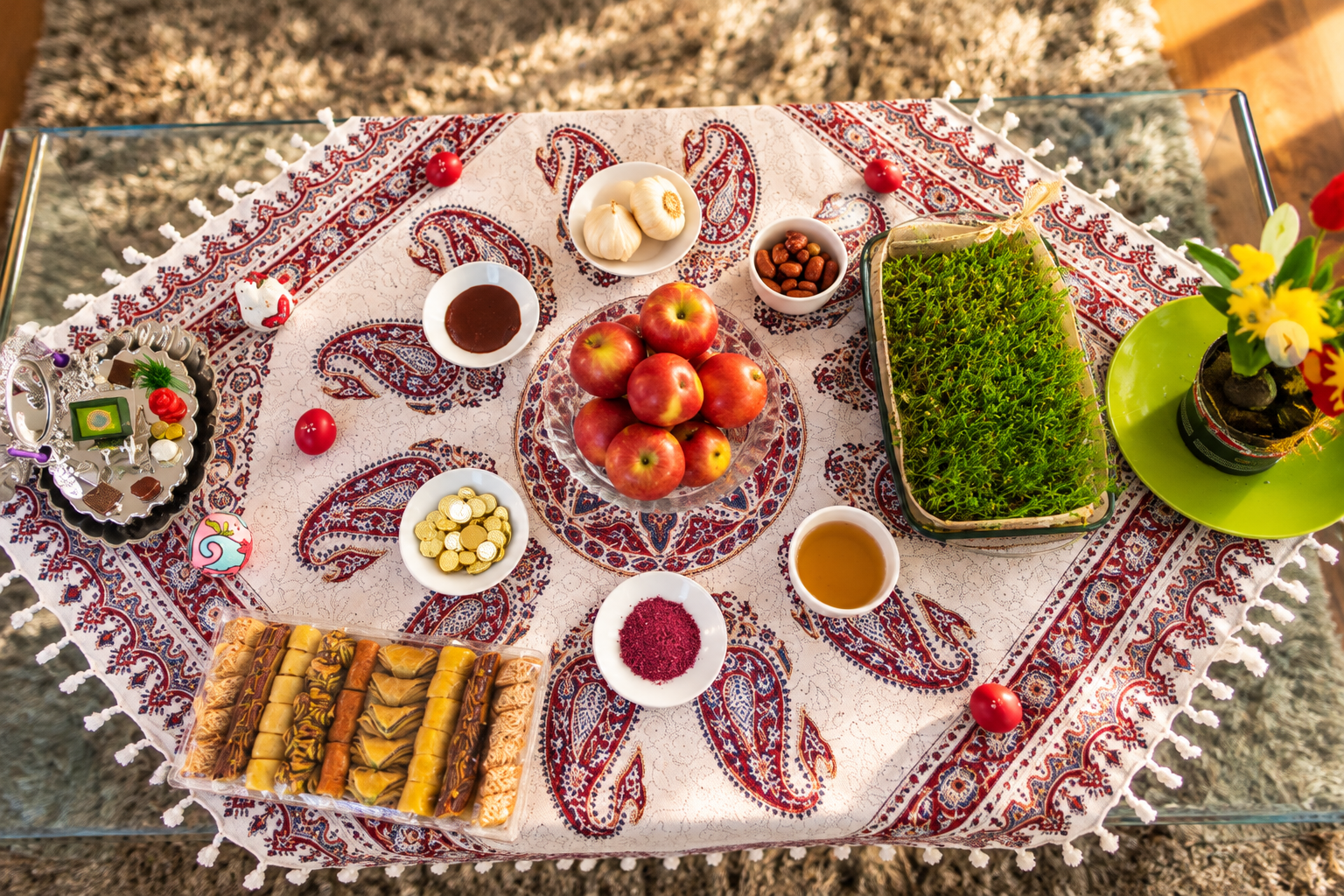
One of my favourite parts of Nowruz is setting up the haft-sin table. It is a traditional arrangement of seven symbolic items whose Persian names begin with the letter ‘sin’, the equivalent of ‘s’.
Our display takes pride of place on the glass coffee table, although having a baby in the house means I am already beginning to appreciate that decorative arrangements and small children may not always make comfortable companions.
The traditional seven items are sabzeh, sprouted greens representing rebirth; samanu, a sweet wheat pudding associated with strength and abundance; senjed, dried oleaster fruit associated with love; seer, garlic symbolising health; seeb, apples representing beauty and wellbeing; serkeh, vinegar associated with patience and age; and somagh, sumac, representing the colour of sunrise.
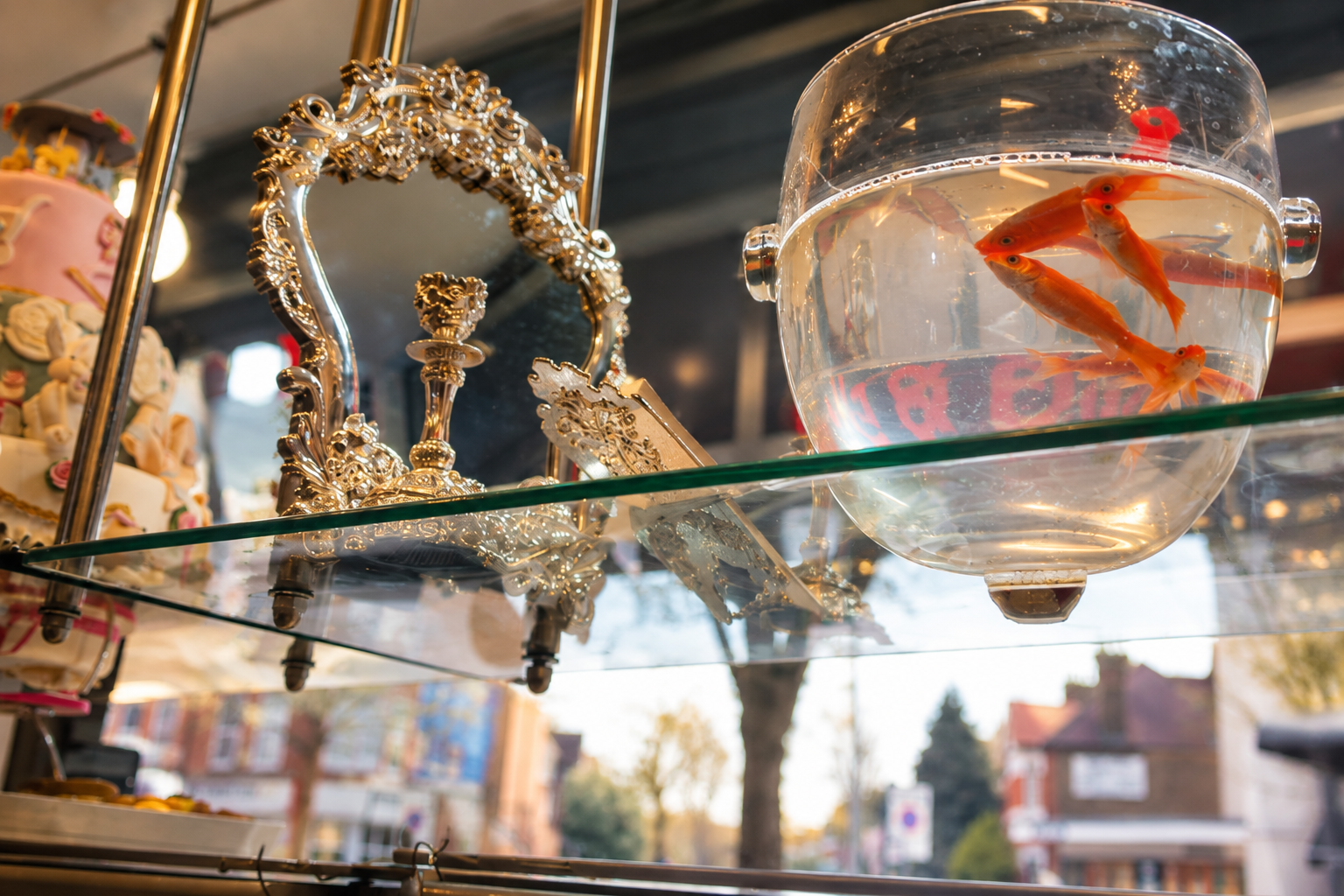
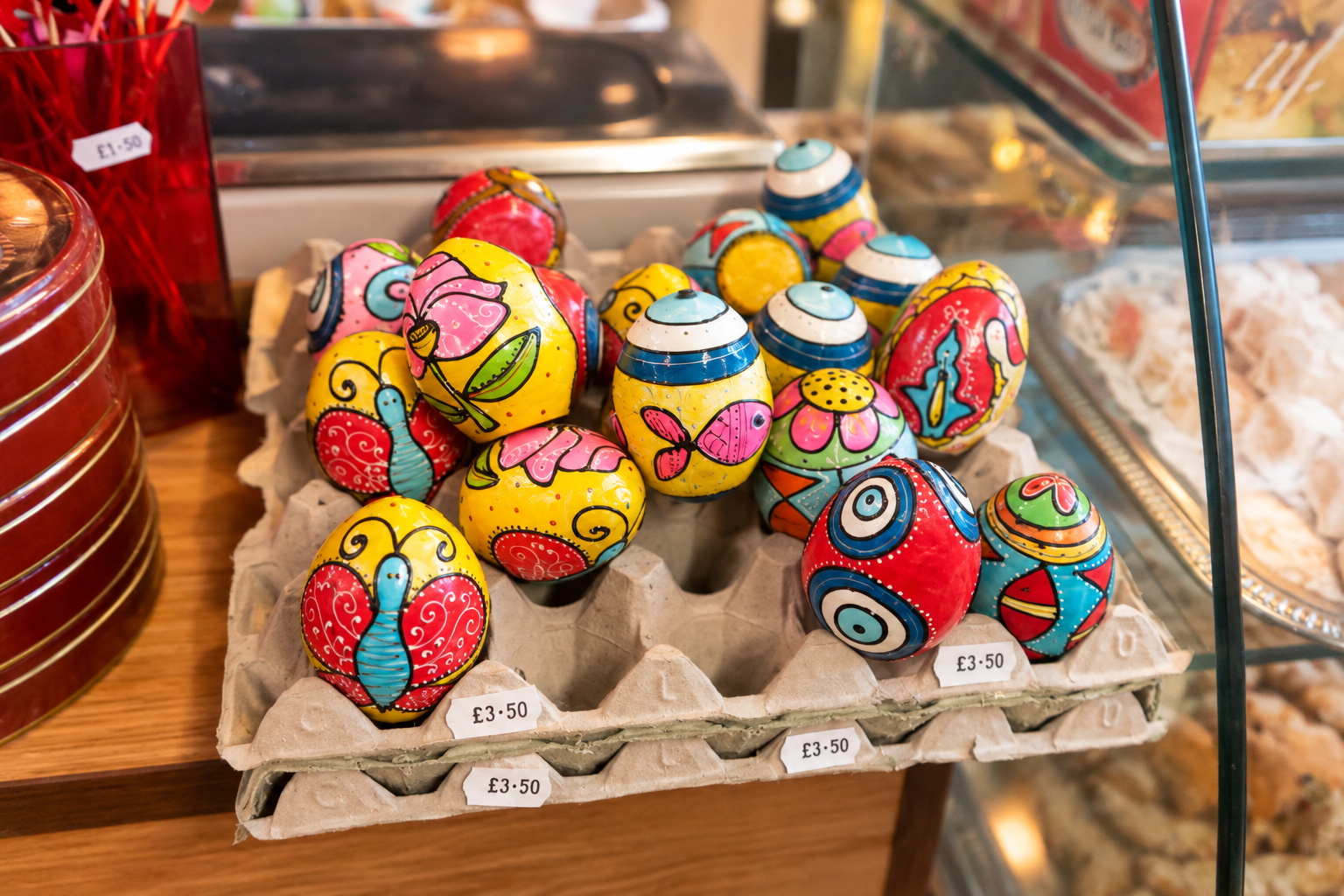
Many families also add coins, candles, painted eggs, a mirror, flowers and other meaningful objects. The precise arrangement varies between households, which is part of its charm.
I particularly love the symbolism of the sabzeh. Watching lentils slowly sprout into a mass of green shoots is strangely satisfying, especially when most of my daily achievements currently revolve around getting through a load of washing or managing a hot cup of coffee before it goes cold. Nothing happens overnight. The seeds need water, light and a little attention, and eventually they begin to flourish.
It is also rather lovely to think that Cyrus will grow up associating the arrival of spring with this colourful collection of objects. To him, the haft-sin may initially be nothing more than an interesting assortment of things he is not allowed to touch. One day, however, I hope he will understand the stories behind them.
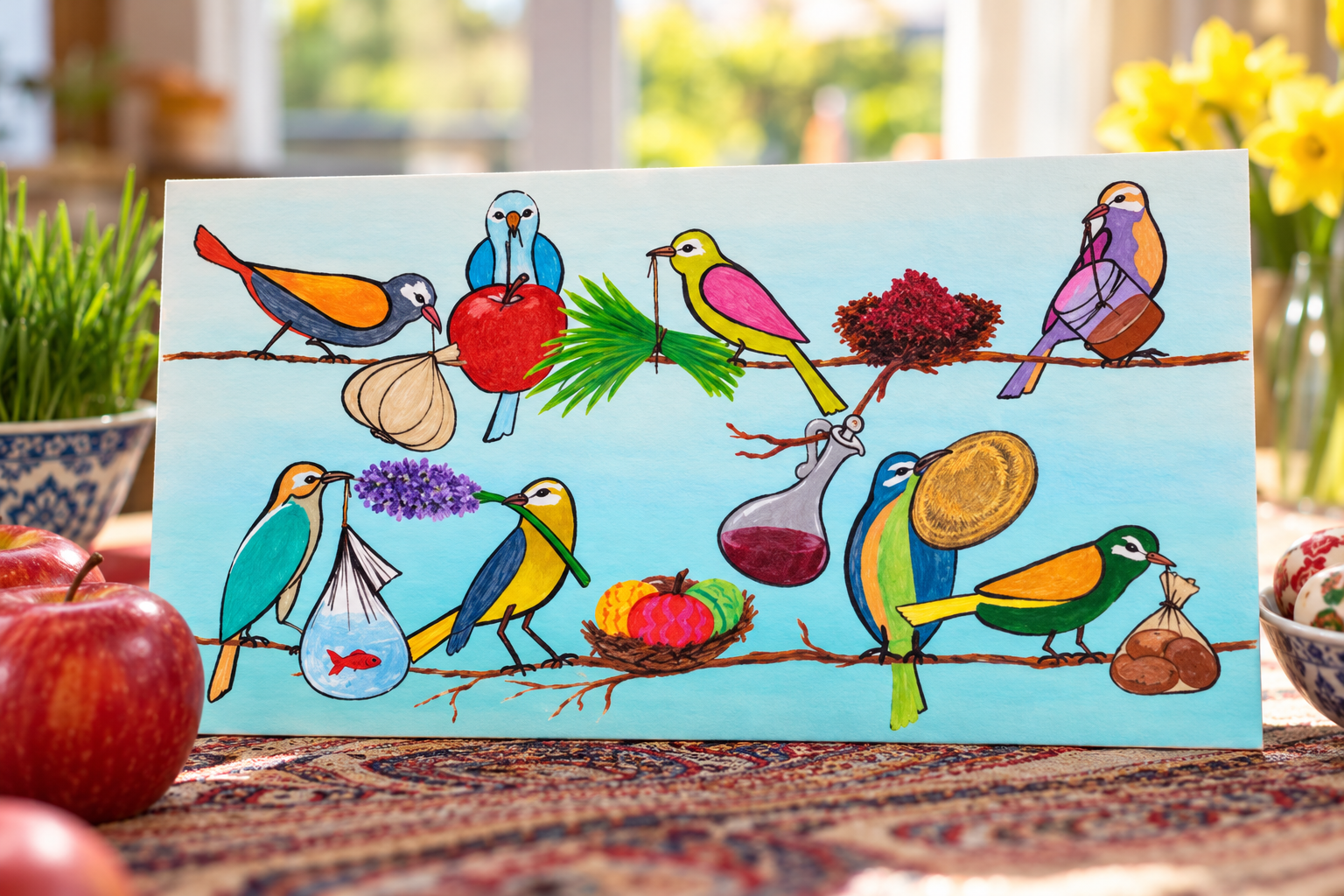
No Persian celebration would be complete without food, and Nowruz is certainly no exception.
H takes charge of preparing sabzi polo ba mahi, a traditional dish of fragrant herb rice served with fish. The rice is filled with fresh herbs, including dill, parsley, coriander and chives, giving it a wonderful aroma that spreads through the kitchen.
Persian cooking has become one of the great pleasures of marrying into another culture. There are dishes I had never encountered before meeting H, ingredients I once struggled to pronounce and cooking techniques that make my usual approach to preparing dinner look decidedly impatient.
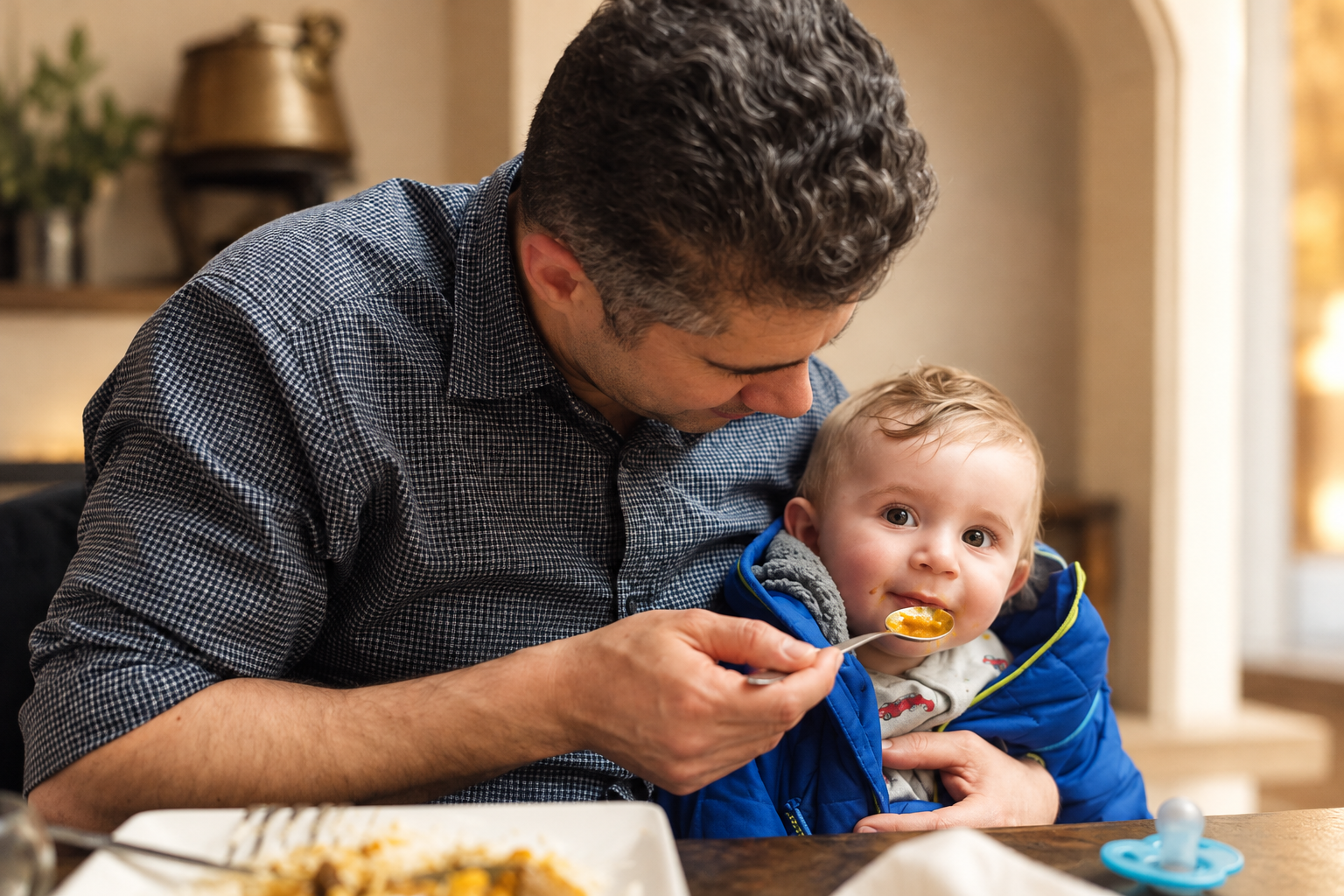
Rice, in particular, is taken seriously in our household. It is not just something you boil in a pan and hope for the best. There is washing, soaking, careful cooking and, if everything goes according to plan, the much-loved golden crust known as tahdig.
I have learned that Persian food is not just about what appears on the plate. It is tied to memories, hospitality and family gatherings and flavour can transport H back to his childhood in Iran far more effectively than any photograph.
As Cyrus grows, I want him to recognise these flavours as part of home and I want him to understand why certain dishes appear at particular celebrations and why food occupies such an important place in Persian family life.
For now, he is blissfully unaware of the cultural significance of his father’s cooking. But watching H prepare the meal, I realise that these ordinary domestic moments are how family traditions begin to take root in another generation.
Nowruz celebrations traditionally continue for 13 days, ending with Sizdah Bedar, when families head outdoors to enjoy nature, share food and mark the end of the festive period.
In Iran, parks, gardens and countryside spots fill with families enjoying elaborate picnics. Here in the North East, we make our own version of the celebration, complete with a baby, and a picnic.
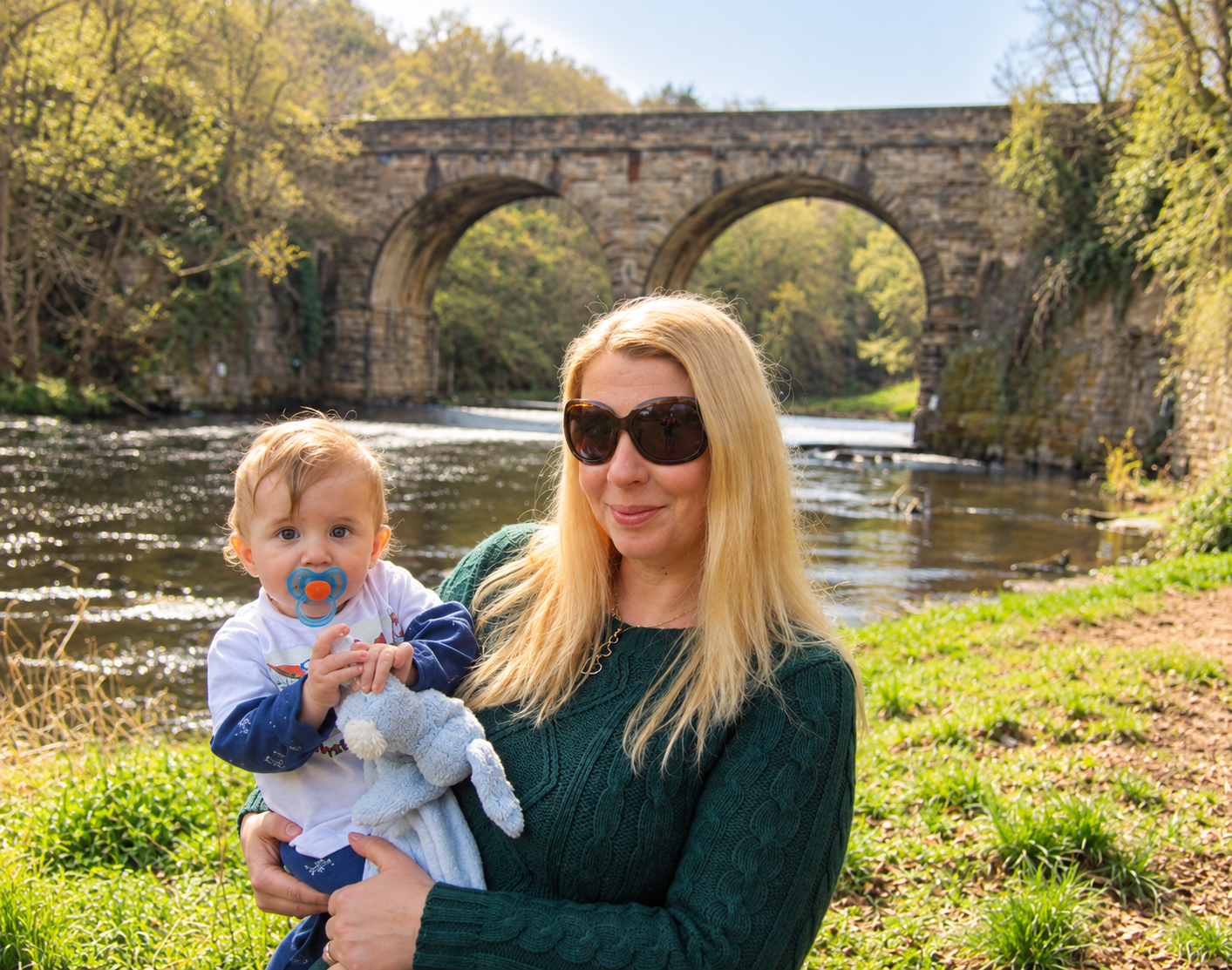
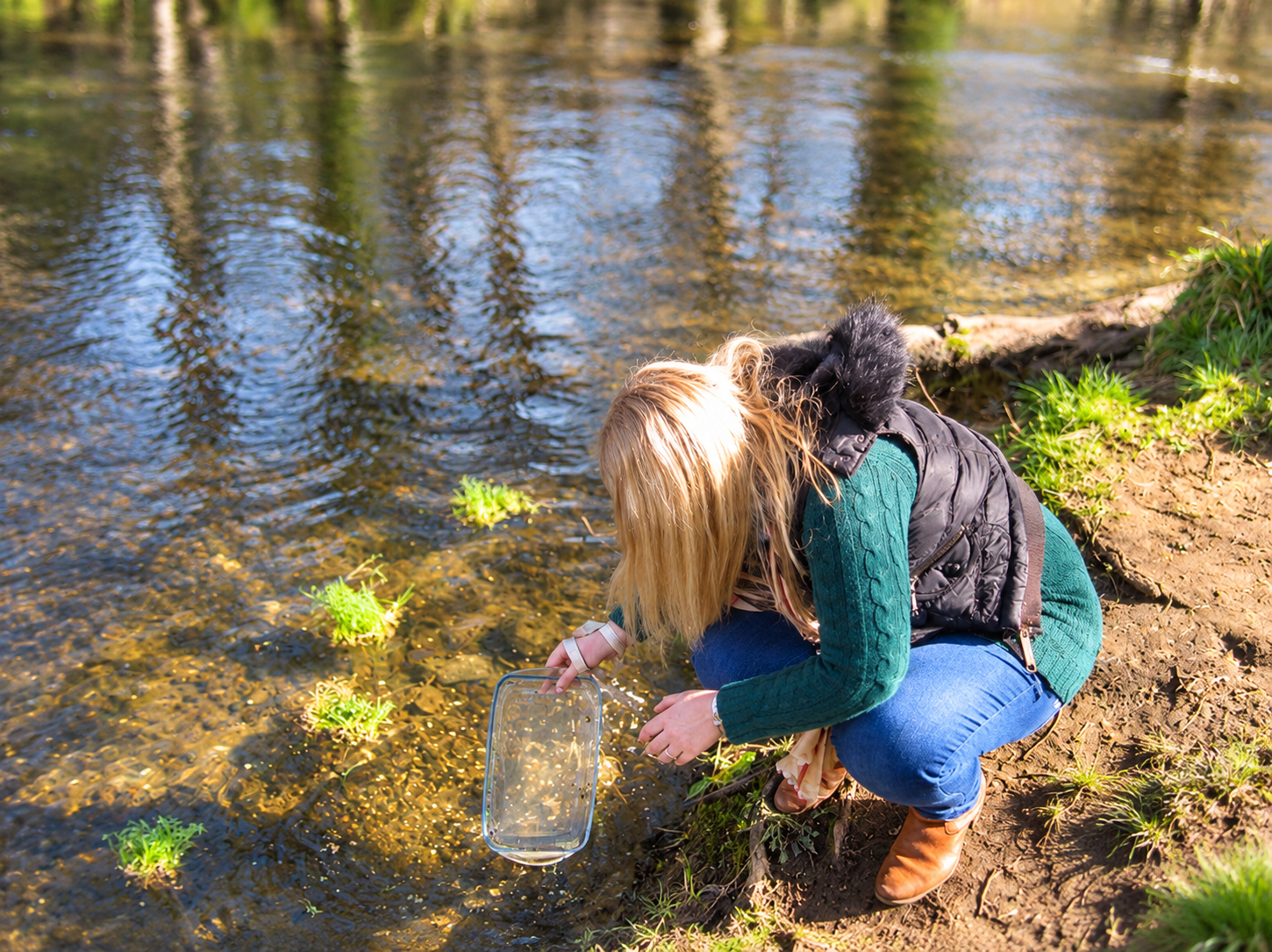
We pack our food, tea and the sabzeh that has been growing on our haft-sin table. After spending nearly two weeks nurturing the green shoots, it seems rather a shame to part with them. But that is what the tradition asks us to do.
One familiar custom involves tying the sabzeh and releasing it into flowing water, symbolically carrying away the troubles and misfortunes of the previous year. Today, of course, it is worth considering the environmental impact and choosing a way to honour the symbolism without leaving plant material or decorations in waterways.
There is something wonderfully uncomplicated about the idea of letting go. We spend so much of our lives holding on to things, whether they are possessions, worries, old disagreements or photographs of moments we can never revisit. Yet here is a tradition that asks us to grow something, care for it and then accept that its purpose has been served.
As we enjoy our first Sizdah Bedar with Cyrus, I find myself thinking about how much life has changed since becoming a mother. There are days when I barely recognise my old routine, when everything seems to revolve around feeding times, sleep and the contents of a changing bag.
But there are also moments like this, when I look at my little boy and realise that our family is creating something new from two very different backgrounds.
Before marrying H, Persian New Year was not something I knew much about. My childhood celebrations revolved around Christmas, Easter, birthdays and the familiar British traditions that shaped family life in the North East.
Now our calendar includes Nowruz, Sizdah Bedar and other Persian celebrations that once seemed completely unfamiliar. They have become part of the rhythm of our household, sitting comfortably alongside the traditions I grew up with.
I sometimes wonder how Cyrus will describe his childhood when he is older. Will he remember the haft-sin table, the smell of herb rice cooking or his father explaining why Persian families celebrate the arrival of spring? Will he appreciate having two cultures to draw upon, or will he simply consider it perfectly normal?
I hope it is the latter. I want him to feel that he belongs to both sides of his family without having to choose between them.
His first Nowruz is unlikely to leave much of an impression on him. He is far more interested in the immediate business of being a baby than the historical significance of Persian customs. But for H and me, it marks the beginning of something we hope to share with him for many years.
And perhaps that is what I take away from this first Persian New Year as a mother. Renewal does not necessarily require a dramatic change of direction, an ambitious resolution or a complete reinvention of ourselves.
Sometimes it is simply a matter of making room for something new while holding on to the things that matter.
Happy Persian New Year to everyone celebrating Nowruz.
Do you celebrate traditions from more than one culture in your family? I’d love to hear which customs you’ve kept, adapted or introduced to the next generation.
Occasional stories, experiments, discoveries and questions from Saffron & Cyrus.

Discover more from Saffron & Cyrus
Subscribe to get the latest posts sent to your email.

Saffron & Cyrus is an independent women’s editorial publication with a recognisable voice, real-life perspective, a defined midlife audience and a commercial model built around useful, relevant partnerships.
