
How to grow sabzeh for Nowruz with children
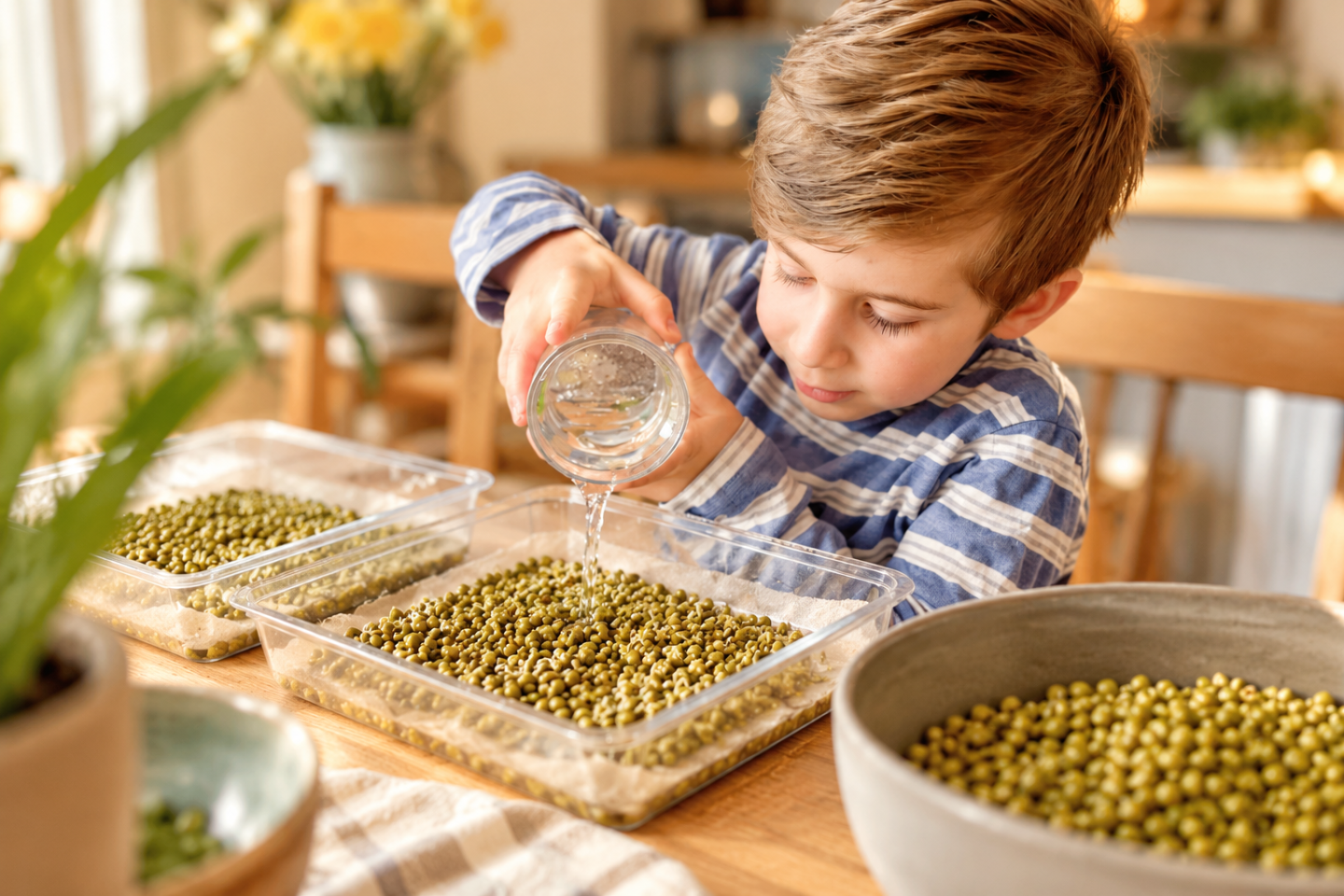
Every March, Cyrus grows a dish of green shoots for Persian New Year. We start a fortnight before Nowruz, which gives the lentils time to grow and me plenty of chances to rescue them from his watering.
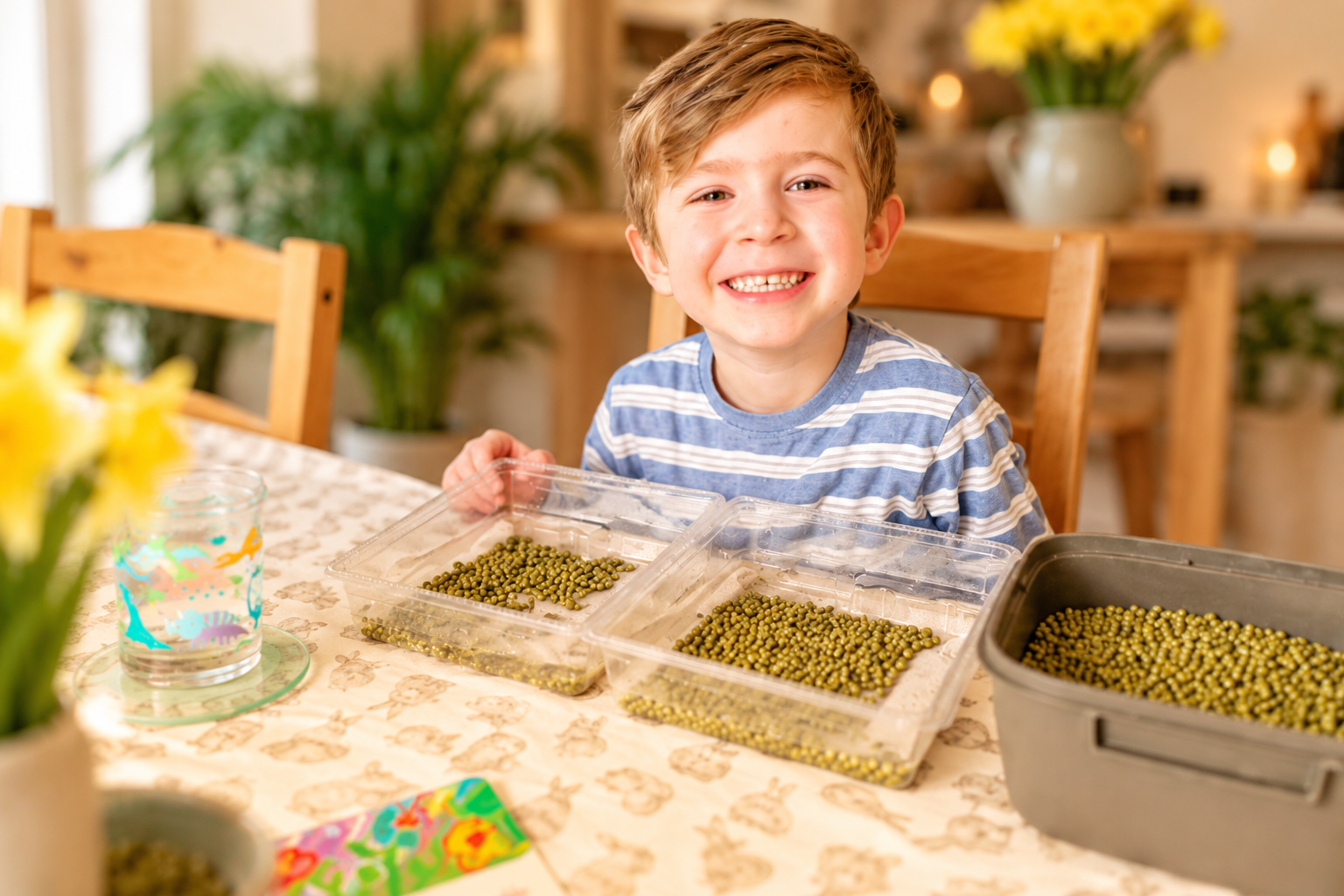
The first time Cyrus and I grew sabzeh together, he watered the mung beans every time he walked past them. By the end of day one, I was beginning to wonder whether we were growing shoots or making soup. I can hardly complain about his impatience. I check the dish myself every time I make a coffee.
My husband grew up with Nowruz in Iran. Spring in my part of Britain meant daffodils, some of which I picked from a neighbour’s garden. I thought this was perfectly reasonable at the time. I suspect the neighbours took a different view.
What is sabzeh?
Sabzeh is a dish of green shoots that symbolises rebirth on the Haft Sin table. It is one of the seven symbolic items whose Persian names start with the ‘s’ sound. Nowruz means ‘new day’ in Persian and marks the spring equinox. The University of St Andrews’ guide to Nowruz explains the role sabzeh plays alongside the other items.
My husband remembers seeing a Haft Sin table every year as a child. I came to it as an adult, learning what each item meant and having the occasional argument with my own pronunciation. Now the preparations feel as familiar as getting the Christmas decorations out, with considerably fewer fairy lights to untangle.
How we grow sabzeh with lentils
We start about two weeks before Nowruz. We usually use whole lentils, although we’ve also grown sabzeh with mung beans. You’ll need a bowl for soaking, a shallow dish and some kitchen paper or a clean cloth. Grow these shoots for display only.
- Rinse the lentils. Soak them overnight in a bowl of clean water.
- Drain the lentils and spread them in an even layer in a shallow dish.
- Cover the lentils loosely with damp kitchen paper or a clean cloth. Leave the dish somewhere warm.
- Keep the cover damp and drain any water that pools in the dish. Look for small white roots after a day or two. A cold kitchen can slow things down.
- When green shoots appear, remove the cover. Move the dish to a bright spot away from strong direct sunlight.
- Keep the lentils damp as the shoots grow. By the second week, we usually have a little patch of green for the table.
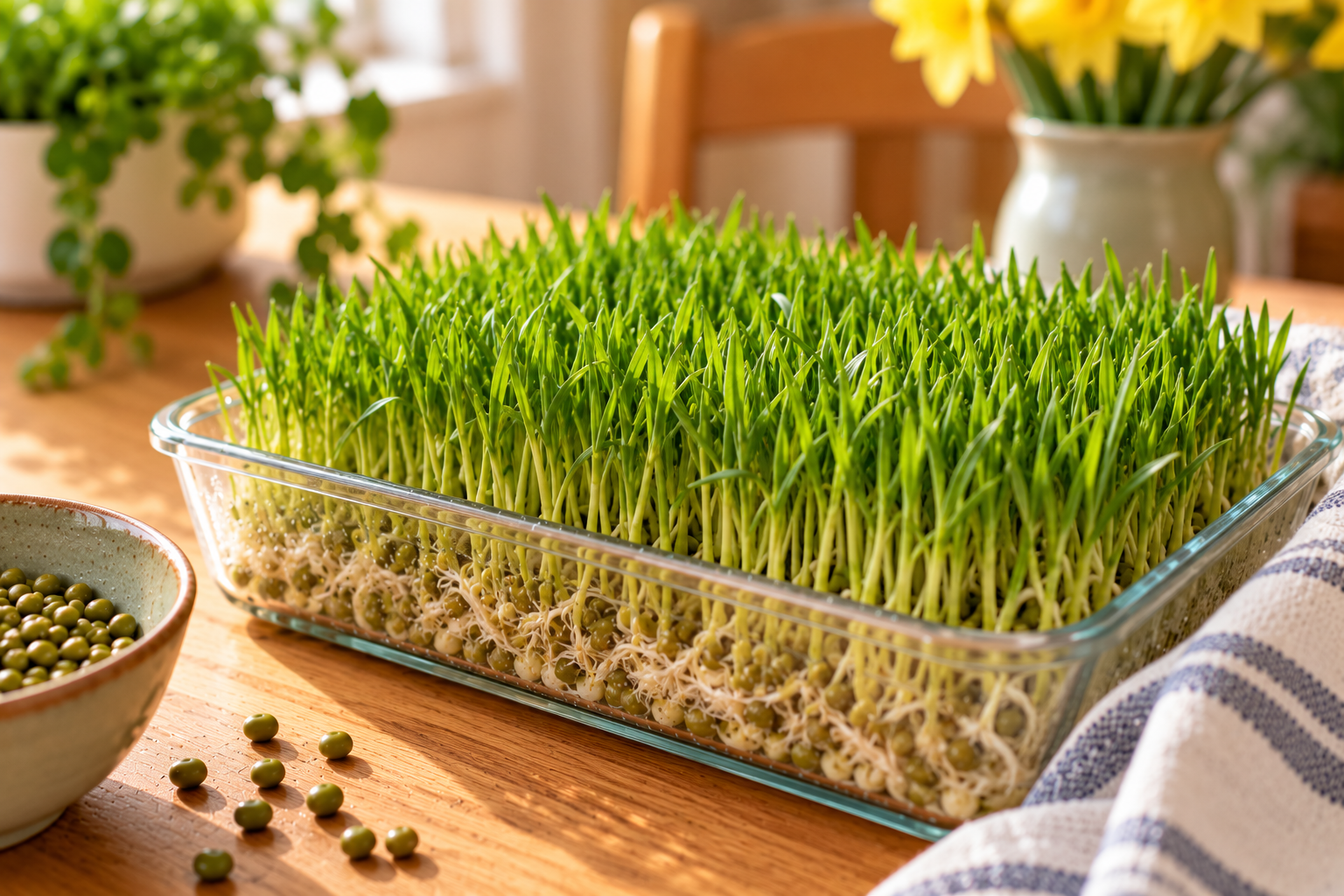
Cyrus is more interested in whether he can water the lentils again than in my explanation of how roots grow. I let him look for the first white roots and take charge of the water, though I reserve the right to pour a bit back out. Some years one half of the dish looks like a miniature lawn while the other appears to have lost interest altogether. Nobody has yet inspected our Haft Sin table with a ruler.
When the dish goes on the table, Cyrus likes showing his dad what he’s grown. I don’t know whether he’ll keep doing it when he’s older. He may remember it as that weird thing his mum insisted on every March. I hope he’ll remember it as part of his own childhood, too.
I’d already learnt that the shoots don’t always stay on the table. On my first Sizdah Bedar, we took our sabzeh to a stream in the North East.
Keep reading
Discover more from Saffron & Cyrus
Subscribe to get the latest posts sent to your email.


Saffron & Cyrus is an independent women’s editorial publication with a recognisable voice, real-life perspective, a defined midlife audience and a commercial model built around useful, relevant partnerships.
