
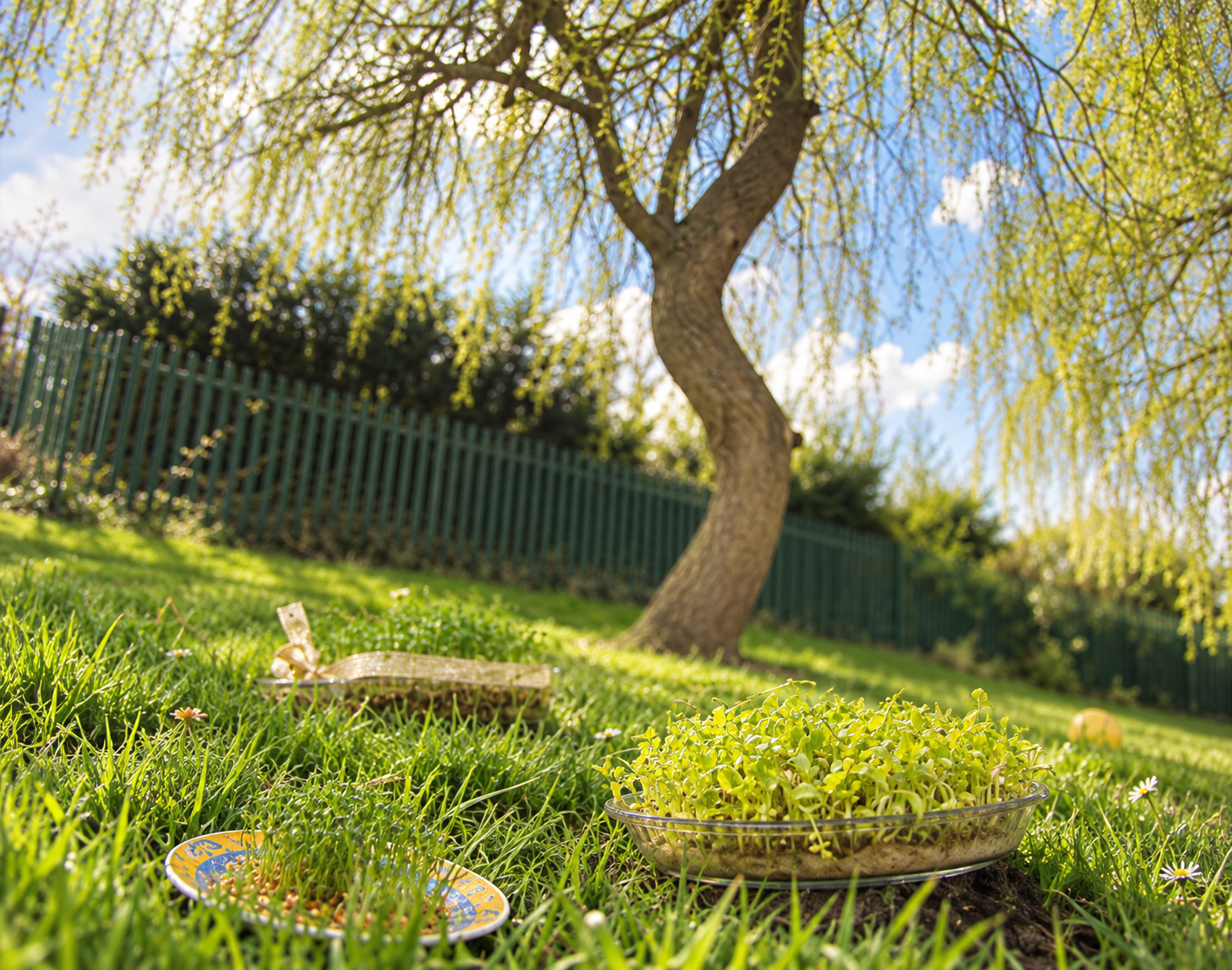
Before I married into a Persian family, Sizdah Bedar meant absolutely nothing to me. I didn’t know what it was, when it happened or why the perfectly good lentil sprouts sitting in our house for Nowruz would have to be taken to a stream and set free.
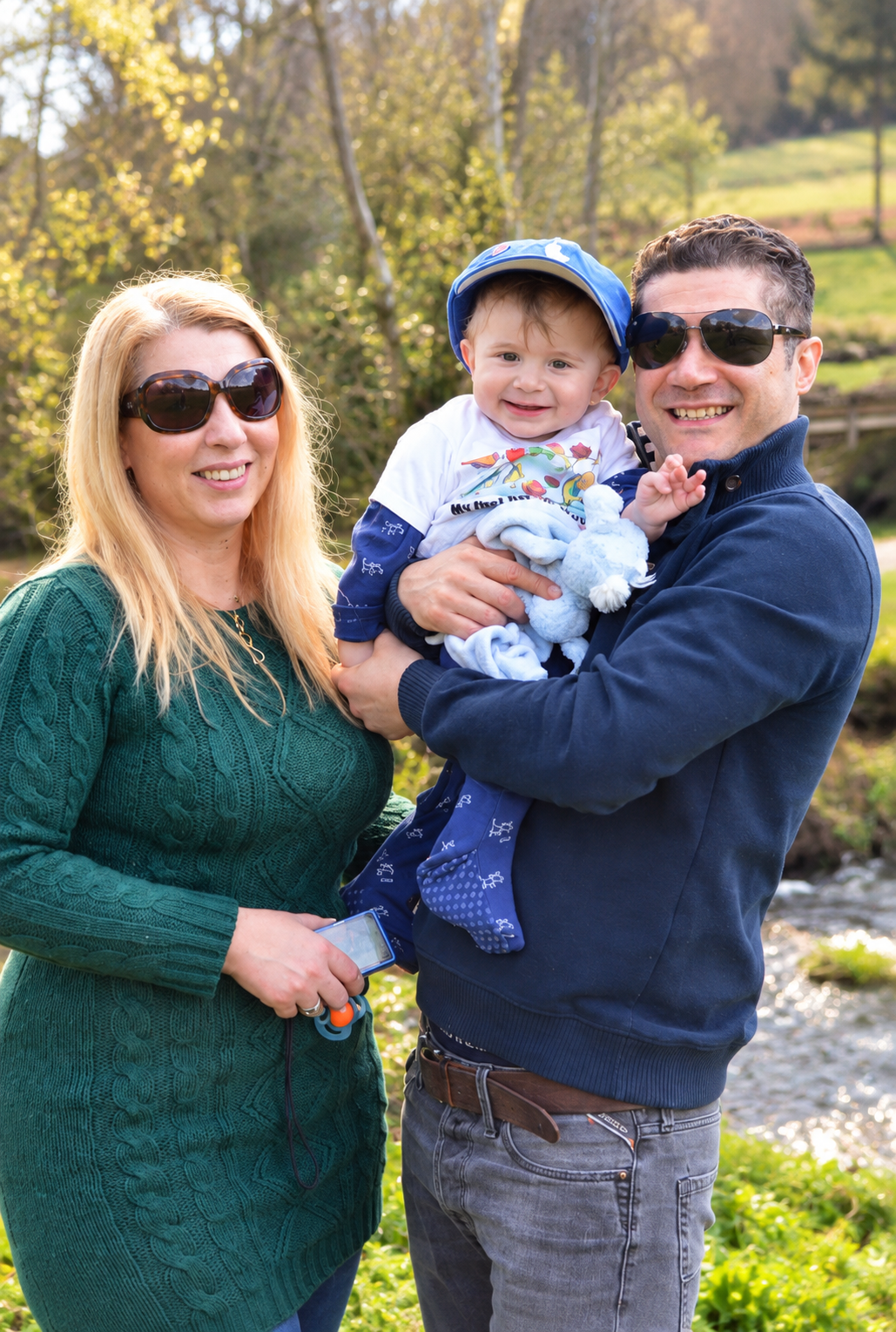
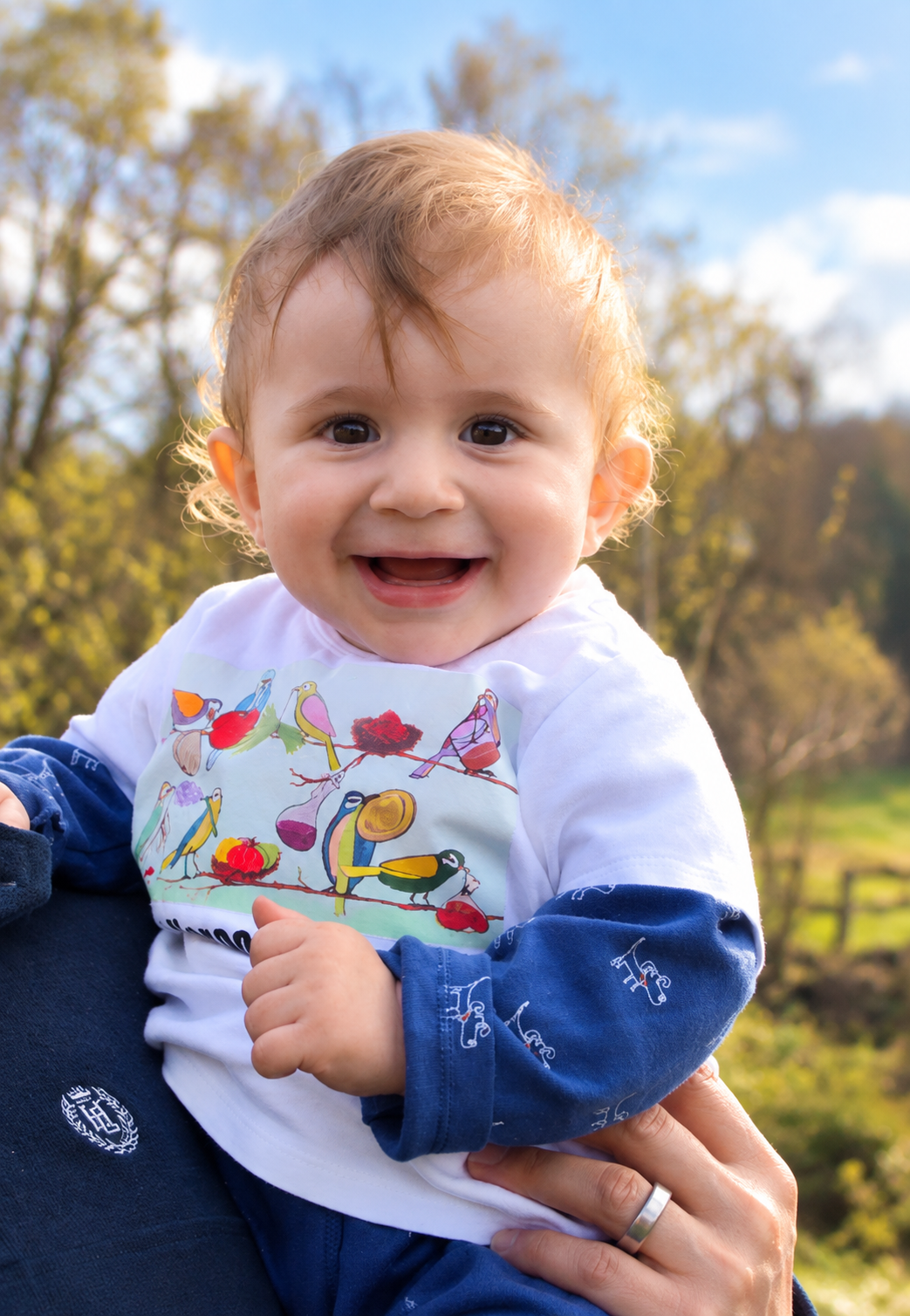
Then I married H, we had Cyrus, and Persian traditions started finding their way into our British family life. My first Sizdah Bedar took place some 4,000 miles from Iran, among the woodlands and streams of the North East, with H, eight-month-old Cyrus on a Persian picnic.
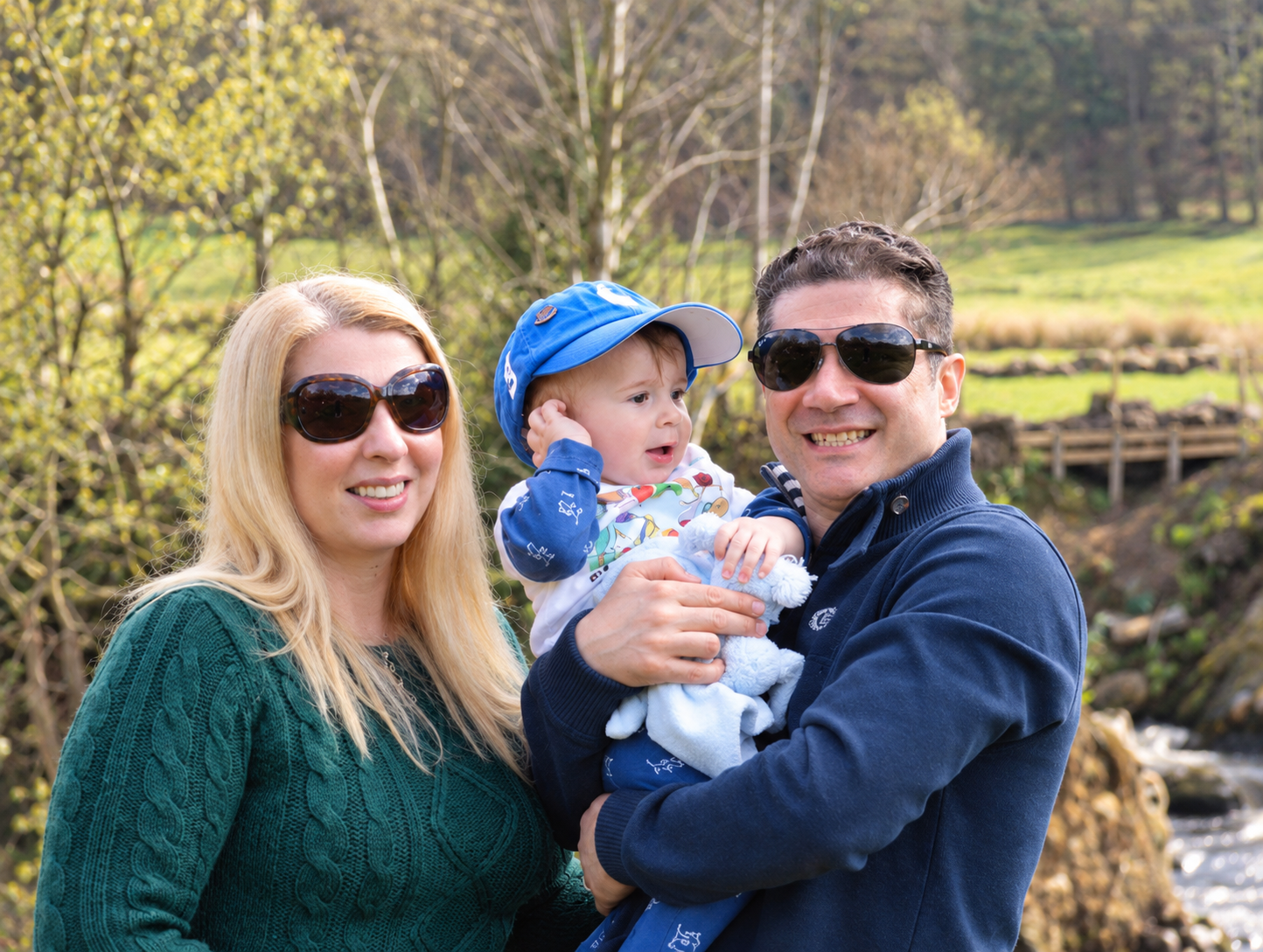
For H, this was familiar. For me, it was another glimpse into the culture he had grown up with. Cyrus, meanwhile, was far more interested in being eight months old and an entire outdoor world waiting to be investigated.
It was one of the first times I started to understand that family traditions don’t necessarily stay where they began. They travel with people, settle somewhere new and become part of somebody else’s childhood.
Sizdah Bedar comes on the 13th day of the Persian New Year celebrations and marks the end of the Nowruz festive period. Traditionally, it is a day spent outdoors, with families getting together in parks, gardens and countryside to eat, talk and just enjoy the arrival of spring.
In our family, that also meant taking the sabzeh with us. The sprouted greens, traditionally grown from seeds such as wheat, barley or lentils, had been part of our Haft-Sin display throughout Nowruz. On Sizdah Bedar, ours was coming outside with us.
Until then, it had been sitting at home looking green and lovely. Now it was coming on a family outing.
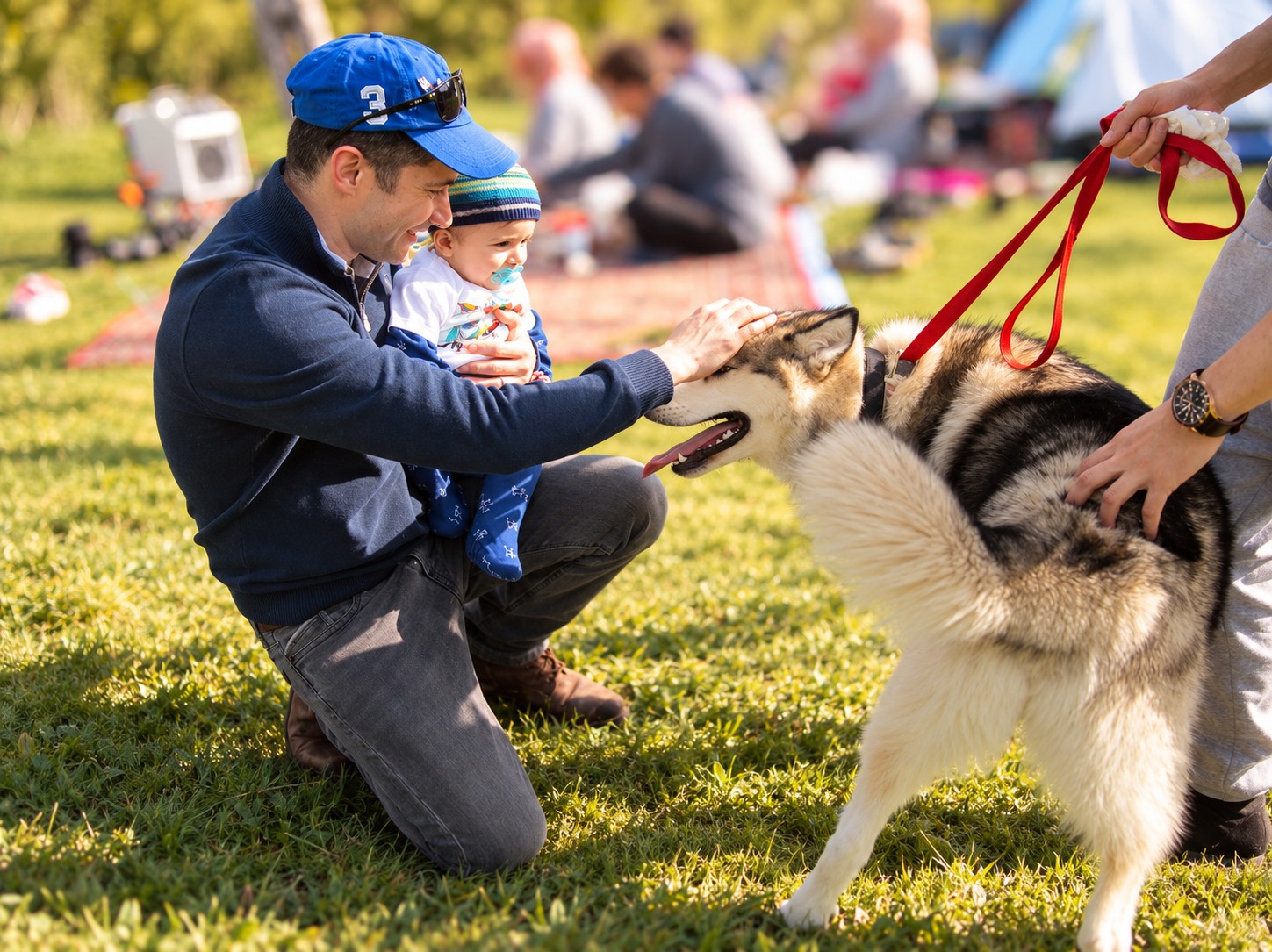
We headed to Derwent Valley Country Park carrying the sabzeh, enough food to suggest we might be staying for several days and a mountain of equipment needed to take an eight-month-old anywhere.
The plan was that we would find running water and release the sabzeh. Other Persian families were doing much the same, and suddenly this corner of the North East was playing host to a tradition that had travelled thousands of miles with the people observing it.
Watching our sabzeh catch the current and drift away was more affecting than I expected. It was, objectively speaking, a bundle of sprouted greenery floating down a stream.
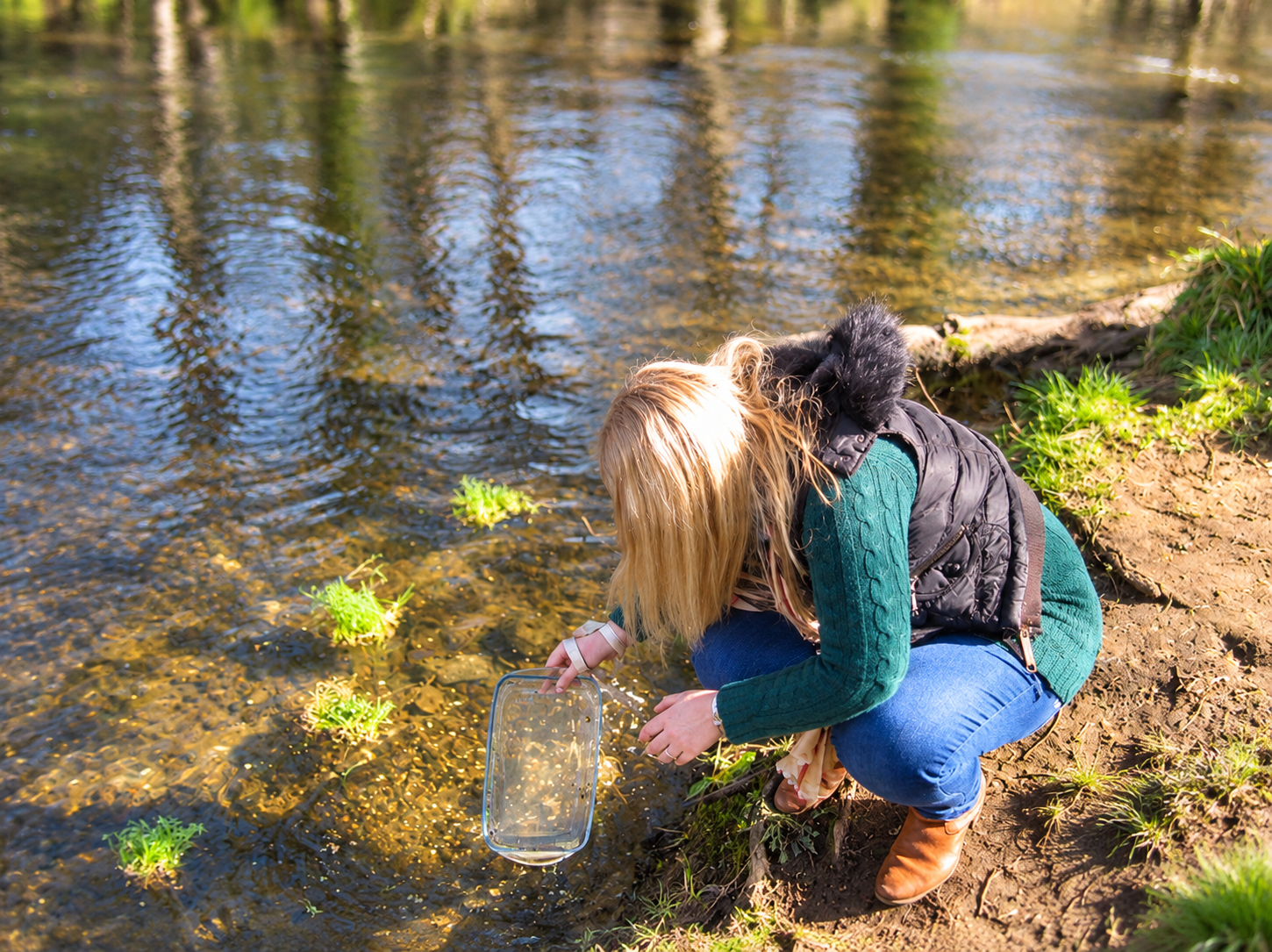
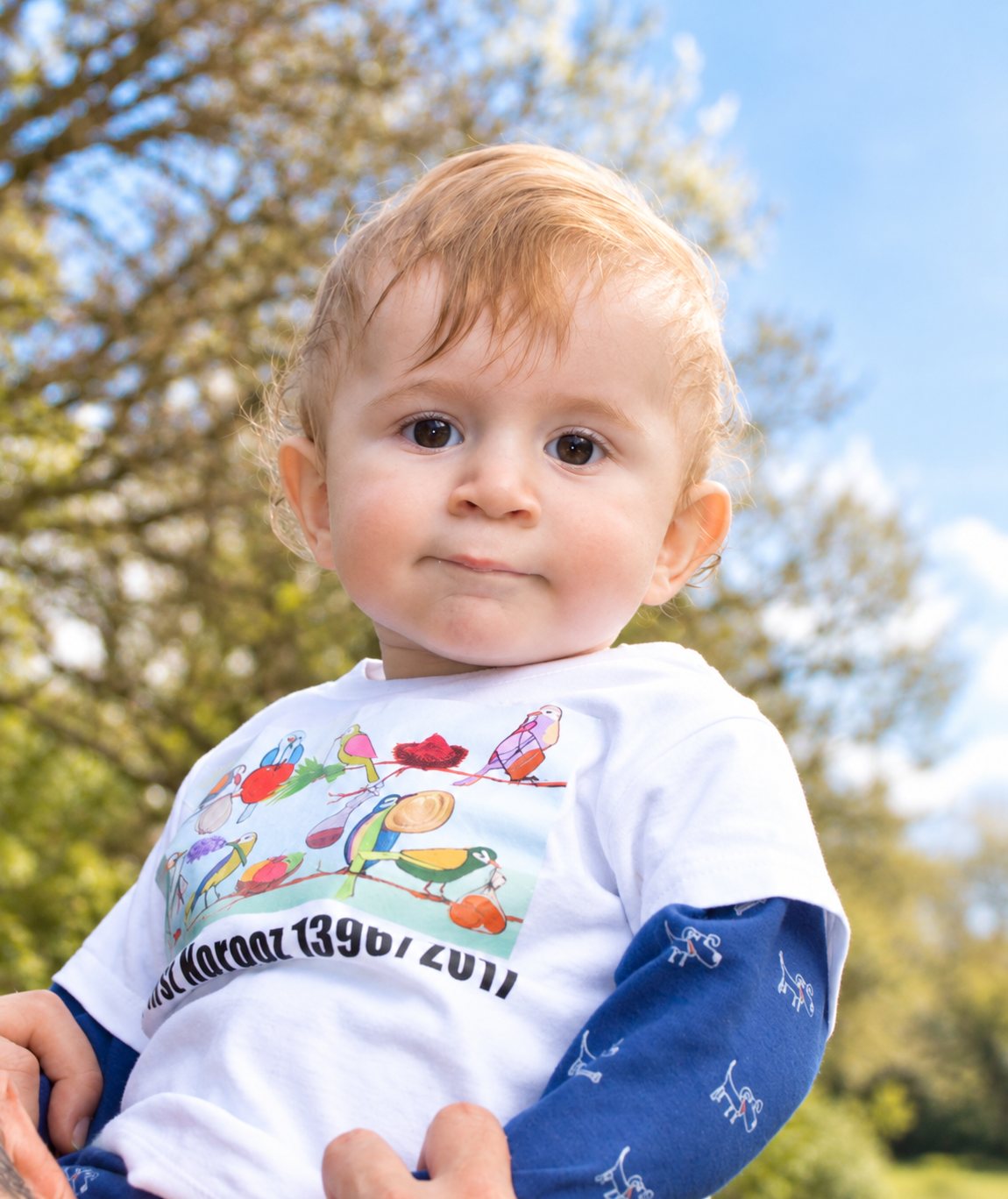
For H, there were memories and familiarity attached to what we were doing. I couldn’t share those childhood memories because they weren’t mine. I was arriving at Sizdah Bedar as an adult, learning about it through him and by taking part myself. Beside us was Cyrus, too young to understand why his parents had taken some greenery from the house to a country park, but already being included in something that belonged to his Persian heritage.
We weren’t in Iran. We were surrounded by familiar North East woodland, yet nothing about performing the tradition there felt strange. Culture, I was beginning to realise, does not need the correct backdrop.
Traditions travel in suitcases, recipes, languages, family stories and the little things people decide to keep doing after making a home somewhere else. They end up beside English streams, on rugs spread across North East grass and in the childhoods of children whose identities belong to more than one place.
For Cyrus, that means growing up with both. His dad is Persian, his mum is British, and his childhood will hold traditions H knew as a boy alongside those I bring from my own upbringing. At eight months old, he was blissfully unaware of the significance of any of this. You just take the baby along, cook the food and celebrate the day. Then you do it again next year. Eventually, it becomes part of home.
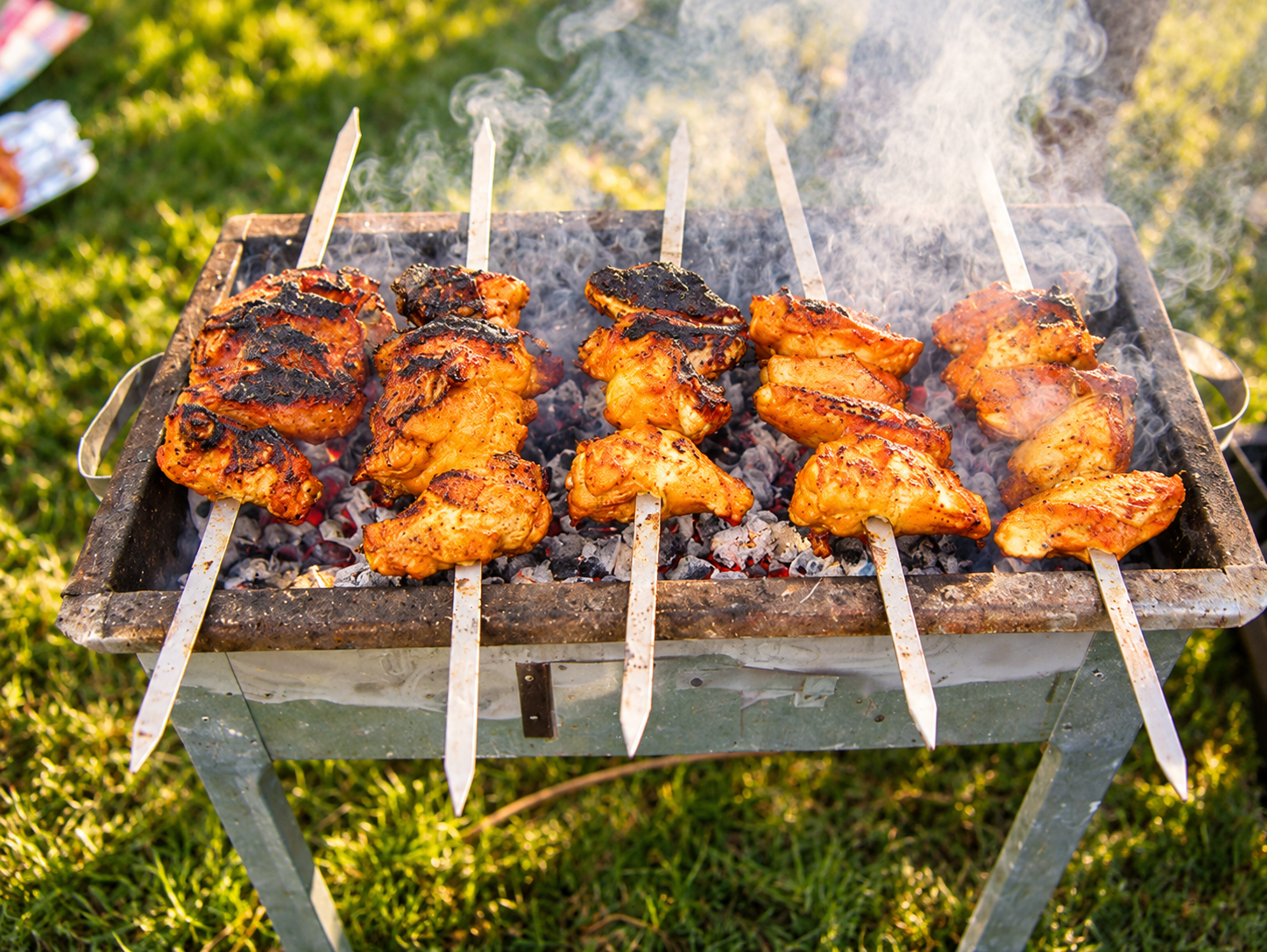
No Persian celebration involving my family was likely to end with us releasing the sabzeh and heading home for a sandwich. There was a lot of food.
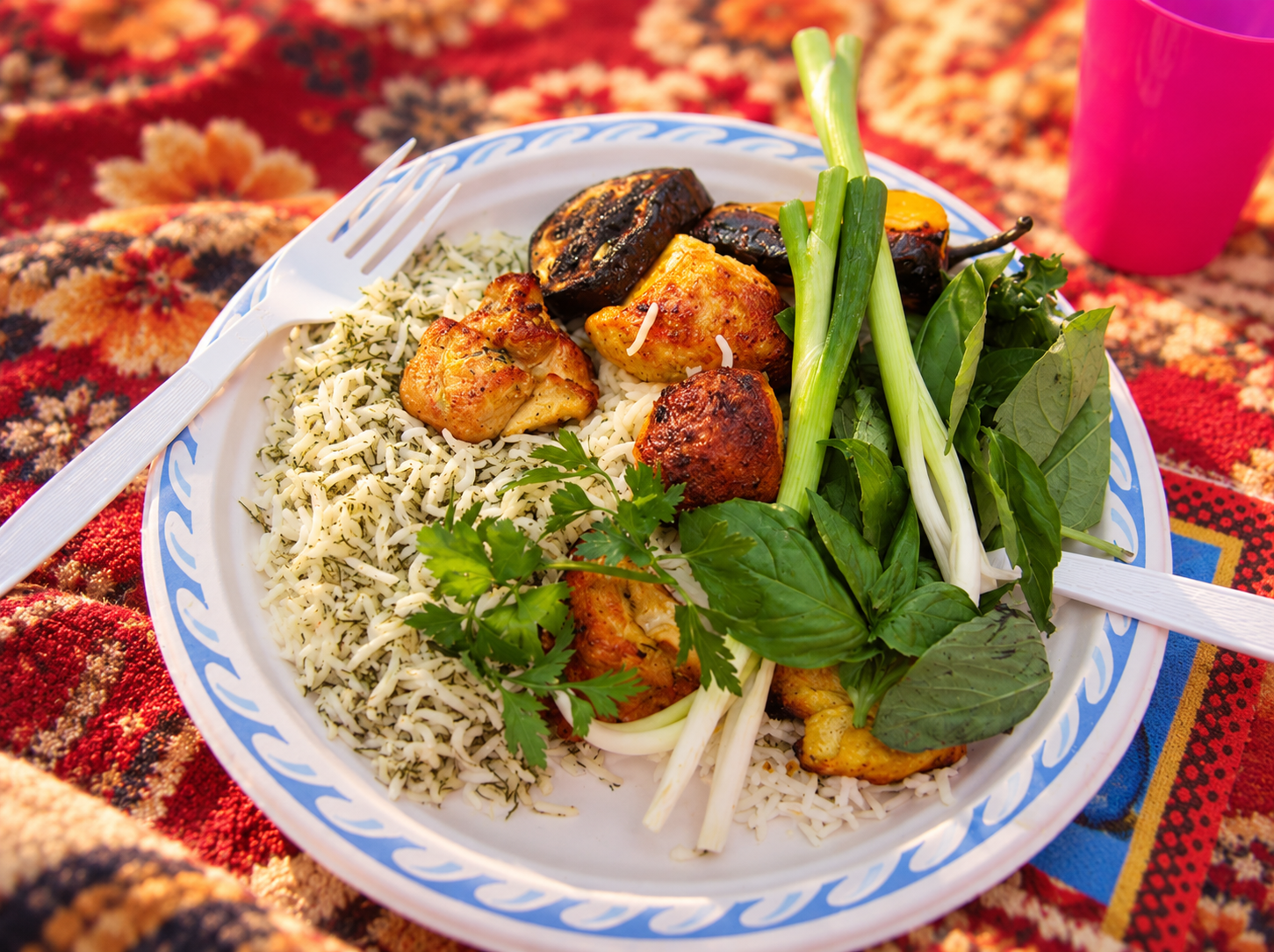
We found a quiet spot near a tree, spread rugs and blankets across the ground and began unpacking. There was ash-e reshteh, flatbreads, olives, pickled vegetables, rice dishes and fresh herbs. This was somewhat removed from the British picnics of my childhood, where we had cucumber sandwiches, a packet of crisps and a biscuit, sometimes an apple to eat from a Tupperware box.
The Persian approach was more exciting
We sat outside eating while Cyrus explored the grass around us, watching the trees and the flicker of the fire. Food somehow tastes different outdoors, although this may be because after transporting half the kitchen to the countryside, you are absolutely determined to enjoy it.
Sitting together, eating, talking and spending the day outdoors gave the celebration its shape. The sabzeh might have been new to me, but getting together around food with family and friends took less explanation.
I can’t manufacture the memories that come from growing up with Nowruz or pretend I have childhood associations with Sizdah Bedar. I arrive, I ask questions, occasionally misunderstand things and learn as we go. There is value in being the newcomer because you notice details because they are not yet ordinary.
Living traditions survive because people keep doing them. The weather certainly changes, new partners join the family and children are born between cultures. A tradition associated with one landscape begins accumulating memories in another.
Cyrus won’t remember that first Sizdah Bedar. So if he later claims vivid memories of watching the sabzeh disappear downstream, I shall have questions. But there will be other Nowruz celebrations, other sabzeh and other 13th days spent outdoors. One day, hopefully, he will be the person explaining Sizdah Bedar to somebody experiencing it for the first time.
Family & Motherhood
Explore Saffron & Cyrus
Occasional stories, experiments, discoveries and questions from Saffron & Cyrus.
Discover more from Saffron & Cyrus
Subscribe to get the latest posts sent to your email.

Saffron & Cyrus is an independent women’s editorial publication with a recognisable voice, real-life perspective, a defined midlife audience and a commercial model built around useful, relevant partnerships.
