
Peanut butter has been my favourite strength-training snack since lockdown. Looking more closely at what’s in a spoonful has made me question how much I’m relying on it during perimenopause.
I’ve spent years eating peanut butter in the belief that it’s good for my muscles. Before a Les Mills Body Pump class, I’ll spread it on toast. Afterwards, when my arms are aching and my stomach is growling, I’ll happily attack the jar with a spoon. A 32g portion, roughly two level tablespoons, provides around 7–8g of protein, depending on the brand. For something with such a muscular reputation, that’s a bit disappointing.
I’ve always loved it, whether smooth, crunchy or spread over a banana. Since taking strength training more seriously during lockdown, however, I’ve started questioning whether the foods I associate with fitness are doing as much as I imagine. Perimenopause has made me more interested in maintaining muscle and less interested in chasing a number on the scales.
Is peanut butter a good source of protein?
Peanut butter contributes protein, fibre and unsaturated fats, but a couple of spoonfuls won’t provide all the protein I need across the day. It’s also energy-dense, which can be useful when I need fuel for exercise. The protein figure is only one part of its nutritional value, and checking the label gives me a better guide than guessing from the size of my spoon.
The British Nutrition Foundation’s protein guidance explains that protein supports muscle building and repair, and that most people in the UK already eat enough. Extra protein won’t automatically build muscle, and training needs to go alongside an adequate overall diet.
Protein and strength during perimenopause
I want to remain strong and keep enjoying exercise for years to come. That’s also why I’ve questioned what BMI tells me about my health in midlife. I’m more interested in what I can lift than whether my weight has moved.
The Women’s Health Concern guide to nutrition in menopause puts protein alongside regular strength exercise. It recommends varied protein foods and explains that supplements aren’t essential. A jar of nut butter can contribute to breakfast, but it doesn’t replace the exercise or the rest of my meals.
The nut butters in my kitchen
Almond butter from Raw Living
My interest in nut butters led me to Raw Living. The almond butter I’ve enjoyed has a creamy texture and a milder flavour than peanut butter. I stir it into warm porridge, where it softens and adds flavour without needing extra sugar. The retailer currently lists Sun & Seed organic almond butter, made from almonds.
I like having it in the cupboard for a change, particularly when another bowl of porridge is beginning to feel uninspiring. The price is harder to justify when feeding a family, though, and peanut butter still wins for everyday value.
Hazelnut butter and breakfast before swimming
Hazelnut butter is another favourite, particularly with Cyrus, who approaches breakfast before swimming with considerable enthusiasm. I enjoy its rich, nutty flavour on toast, without the sweetness of a chocolate hazelnut spread. Raw Living also lists Sun & Seed organic hazelnut butter.
Swimming makes him hungry and nut butter helps make his meals more substantial. He’s an active child and this is something he enjoys eating, without breakfast turning into an argument.
Other ways to add protein
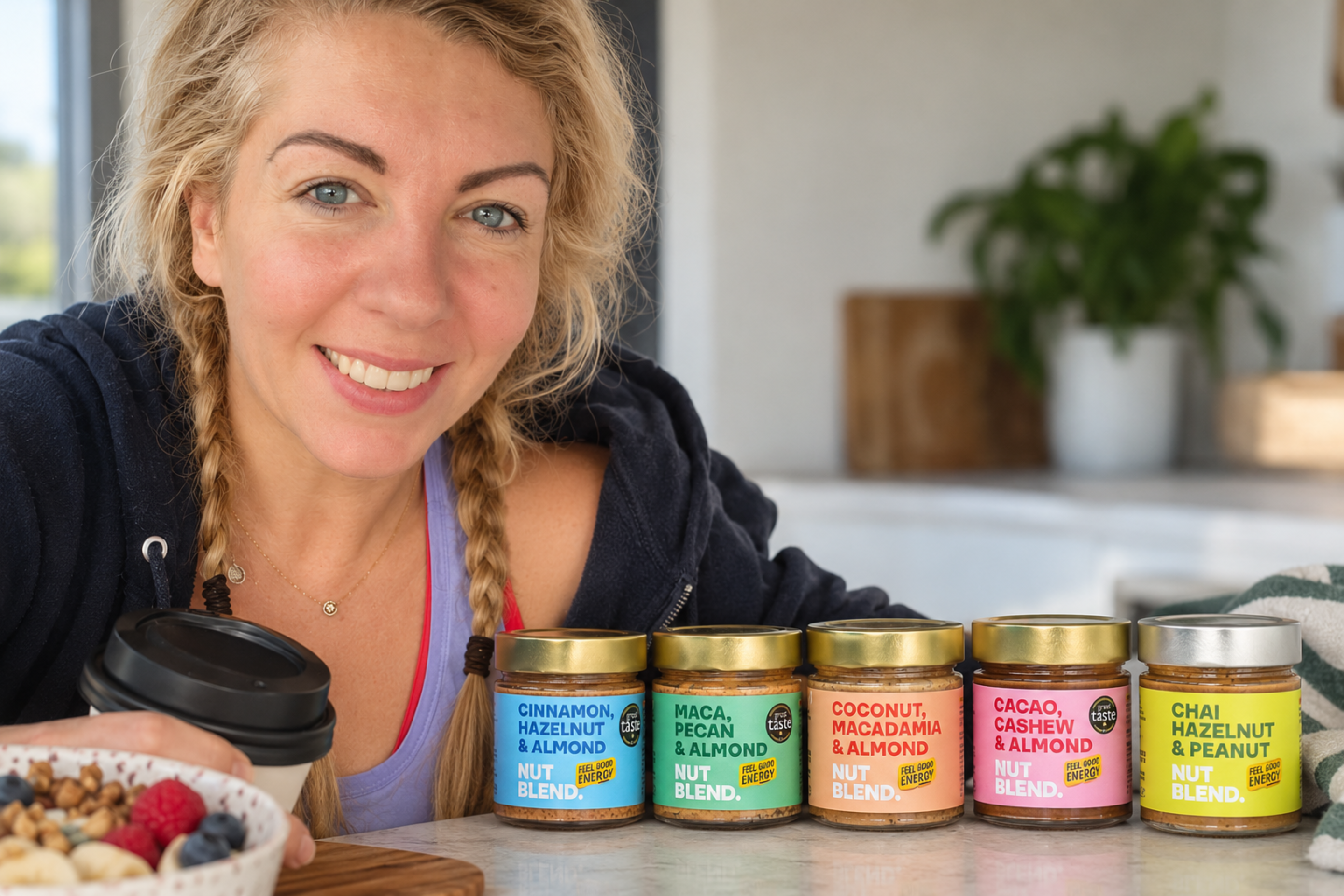
While researching alternatives, I found Nut Blend’s nut butter range, including Cacao, Cashew & Almond Butter and Cinnamon, Hazelnut & Almond Butter. There’s also a Chai Hazelnut & Peanut Butter. The cinnamon combination appeals to me stirred through porridge on a cold Newcastle morning, although I haven’t tried it and can’t offer a verdict on taste or value.
Linwoods Protein Boost takes a different approach. Its blend includes hemp, chia, soya and rice protein, and the company lists 10g of protein per 20g serving. It’s intended for mixing into food or liquid, and it contains soya. I’ve tested it and written about my experience in my Linwoods Fibre Boost and Protein Boost review. Adding protein to an existing meal appeals to me more than preparing something separate.
What I eat around Body Pump
Before training, I often have peanut butter on wholegrain toast with a banana, provided I’ve allowed enough time for digestion. Afterwards, I enjoy Greek yoghurt with fruit and nuts. The British Dietetic Association’s sports nutrition advice also reminds me to eat enough carbohydrate and spread protein across the day. Lunch deserves some attention when breakfast is hurried and dinner ends up doing most of the work.
Disclosure: No products featured in this article were gifted. I have tested Linwoods Protein Boost. Nut Blend has not been personally tested.
Health note: This article combines my experience with general nutrition information. For advice tailored to your health and training, speak to a registered dietitian.
More from Saffron & Cyrus
I tried six five-minute menopause workouts
For the days when finding a full hour for exercise is asking too much.
My Linwoods Fibre Boost and Protein Boost review
My experience of adding fibre and protein to everyday meals.
Discover more from Saffron & Cyrus
Subscribe to get the latest posts sent to your email.


Saffron & Cyrus is an independent women’s editorial publication with a recognisable voice, real-life perspective, a defined midlife audience and a commercial model built around useful, relevant partnerships.
